












The reason everyone is obsessed with 2016 right now in 2026 is pretty simple: we’re tired of everything being too perfect. For the last few years, the internet has felt like a giant, polished, perfectly curated ad. Every photo is AI-enhanced, every video is perfectly edited, and everything feels a little fake. Looking back, 2016 feels like a time when we were actually having fun online instead of just working for an algorithm or paychecks.
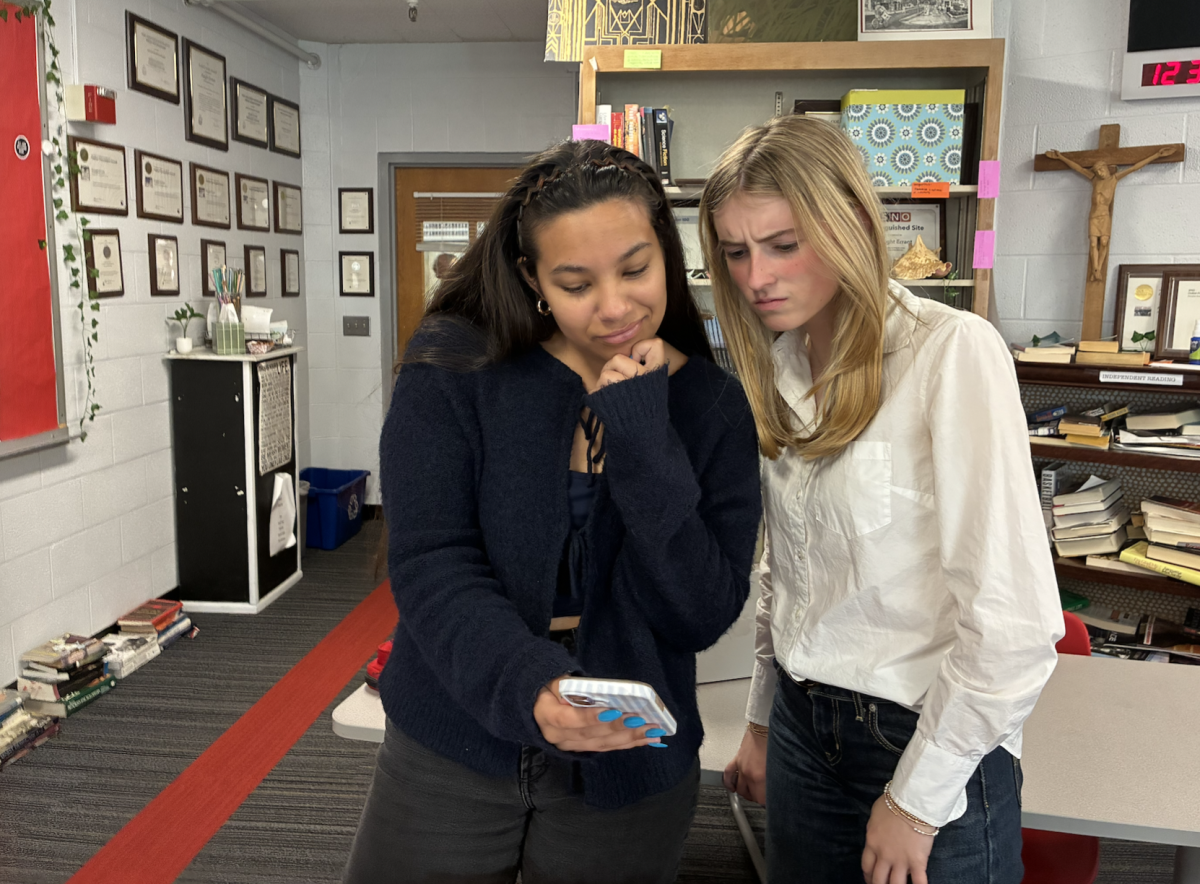
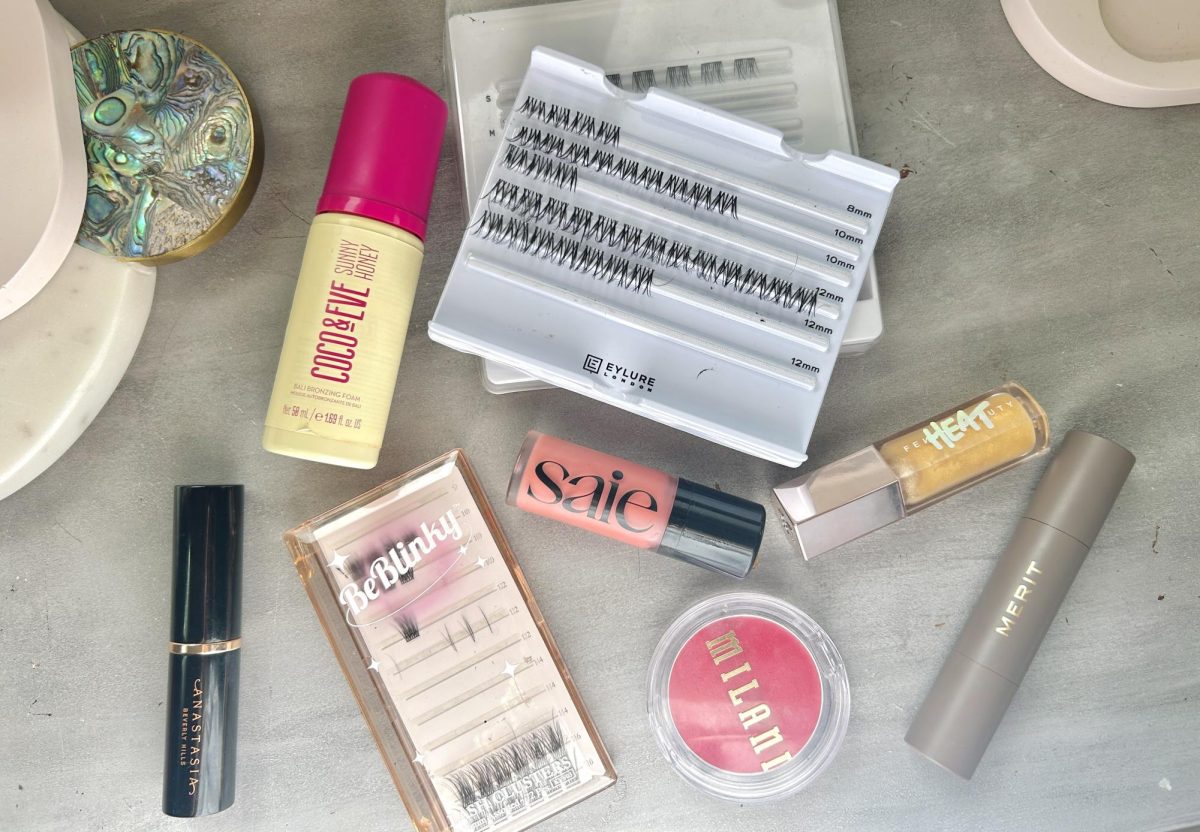
At the center of it all was “King Kylie.” Kylie Jenner was the queen of the 2016 look, which was the look everyone wanted. We’re talking about the bright blue hair, the extreme matte lip kits, and the heavy cut crease eye makeup that made everyone look like an Instagram filter. In 2026, people are bringing these looks back. The clean girl look from 2023 and 2024 is over. The black chokers, oversized bomber jackets, and thigh-high boots are back again because they feel bold and intentional. “My favorite influencer in 2016 was Kylie Jenner, because King Kylie is coming back along with all her makeup and clothes,” junior Ava Doering said.
Then came Snapchat. Back then, the goal wasn’t to look like a model. It was as simple as putting dog ears and flower crowns on our heads. Those filters are silly and obvious, and that was the point. Today, filters are so realistic that they’re almost scary. Using a 2016-style filter today feels totally refreshing. It’s a way to laugh at yourself and not be so critical, which is a feeling society has definitely lost. It’s the same reason people are digging up old digital cameras or using digital camera filters. The grainy, blurry look feels more “real” than a crystal clear 4K iPhone shot and has begun trending on social media recently.
The celebrities and creators felt different back then, too. This was the peak era of the big YouTubers who would simply sit on their bedroom or basement floor and just talk for twenty minutes. It was the era of Musical.ly, where you’d spend hours practicing a hand-dominated dance to a pop song. It wasn’t about being a perfect influence; it was just about being a kid and posting fun videos. In 2026, when the 2016 energy is trying to come back alive, the days of being messy and imperfect are something that is highly desired.
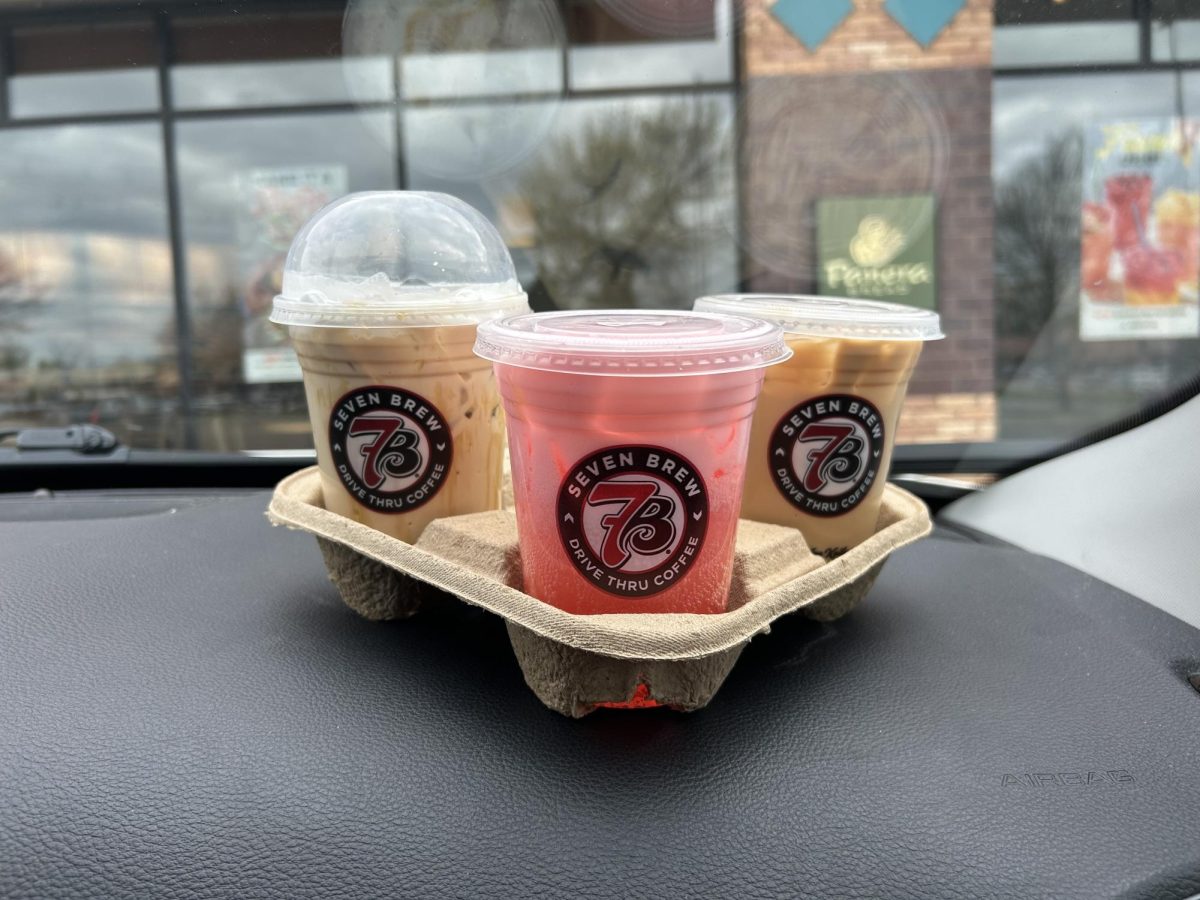
The 2016-to-2026 crossover wouldn’t be complete without the return of the extravagant Starbucks drinks, which served as the ultimate accessory for the 2016 era’s aesthetic. A decade ago, the drink wasn’t just a caffeine fix; it was a prop. This was the peak of the Frappuccino: swirled with whipped cream, drizzled in fun sauces, and held for the perfect Instagram story post. In 2026, we are seeing a massive departure from the plain oat milk lattes and functional protein shakes that dominated the early 2020s. People are once again ordering the most colorful, sugary, and “extra” drinks on the menu because they represent a time when we weren’t obsessed with being perfectly healthy.
The unexpected resurgence of the 2016 trends is more than a case of random nostalgia. People are yearning for something less regulated after years of hyper-edited material, aesthetic pressure, and algorithm-driven everything. The digital world has gotten so sophisticated that it’s practically manufactured, as if every message is meant to dazzle rather than to communicate. Going back to 2016 reveals an entirely different vibe, one that is far more human.
Social media at the time was more about presence than excellence. The internet’s personality came from people posting without overanalyzing every element. Today’s internet culture, on the other hand, frequently feels like a show. Captions are calculated, feeds are meticulously selected, and even casual material is paired. Because it rejects the need to be perfect and substitutes something more whimsical and expressive, the return of 2016 Aesthetics seems so invigorating. “Vine was a thing we needed. We need to bring Vine back,” senior Ella Peters said.
One of the most obvious manifestations of this change is style: Neutral colors, straightforward shapes, and the overall effortless aesthetic dominated the early 2020s. However, that subtle atmosphere is giving way to something far more obvious in 2026. A desire to stick out rather than blend in is reflected in the return of dramatic cosmetics, layered clothing, and distinctive accessories. Nowadays, it’s more important to experiment, even if it goes too far, than to seem flawless. The 2016 Renaissance is characterized by its determination to be seen rather than quietly appreciated.
People’s usage of technology is experiencing the same issue. 10 years ago, apps were more than simply platforms for engagement; they were instruments for creation and connection. The experience was entertaining thanks to various fun filters, brief lip-syncing videos, and random updates. The distinction between real life and digital life has become more hazy with the advent of all too realistic filters and sophisticated editing tools. Re-introducing outdated trends, such as camera effects and fun filters, is a way of suggesting that something doesn’t have to be flawless to be shared.
The process of creating content is likewise changing. More consumers are gravitating towards basic, unpolished formats rather than carefully produced videos with flawless lighting and editing. It’s getting increasingly popular to speak straight into a camera, share unfiltered ideas, or publish with a set schedule. It is reminiscent of the early days of online creators, when presentation was less important than authenticity. It feels uncommon and valuable in a field that has grown more commercialized and competitive.
The shift is evident in even routine decisions, such as what individuals eat and drink. A shift away from rigid wellness culture is indicated by the popularity of vibrant, extravagant sweets and beverages. Everything had to be properly balanced, heavy in protein, and low in sugar for a time. These days, there’s a discernible movement toward appreciating things just because they’re enjoyable. It’s more about experience than discipline, a freewheeling vibe that most associate with 2016.
The 2016 comeback is about recovering a mentality rather than just following outdated trends. It’s an attempt to resist the temptation to always be well-groomed and productive, particularly on the internet. People are re-establishing a sense of intimacy on the Internet by accepting things that are flawed, exaggerated, or even a touch chaotic. 2016 is appealing because of its unpredictability, the freedom that came with it, and the increasingly restricted society.