






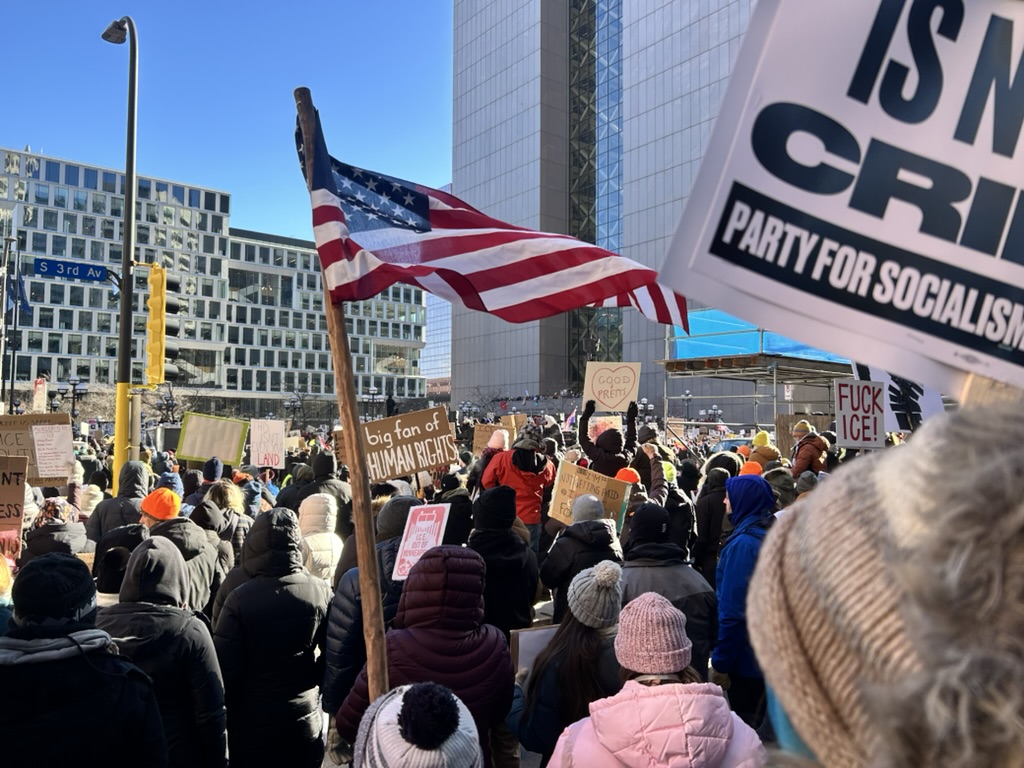
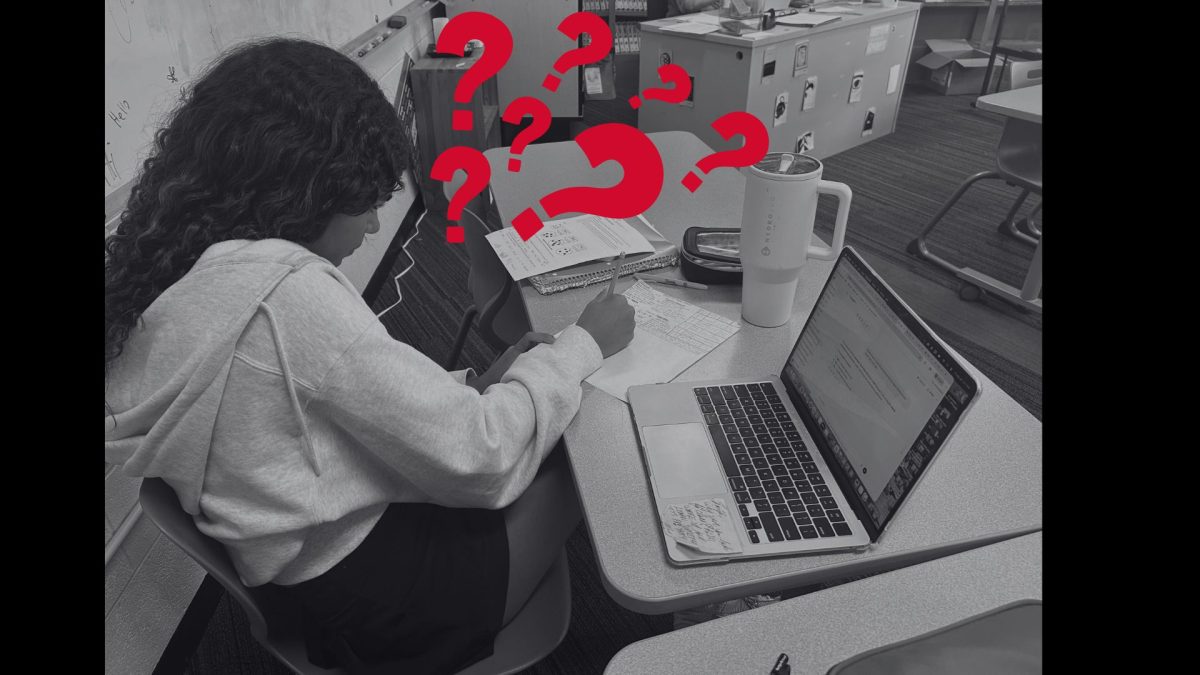
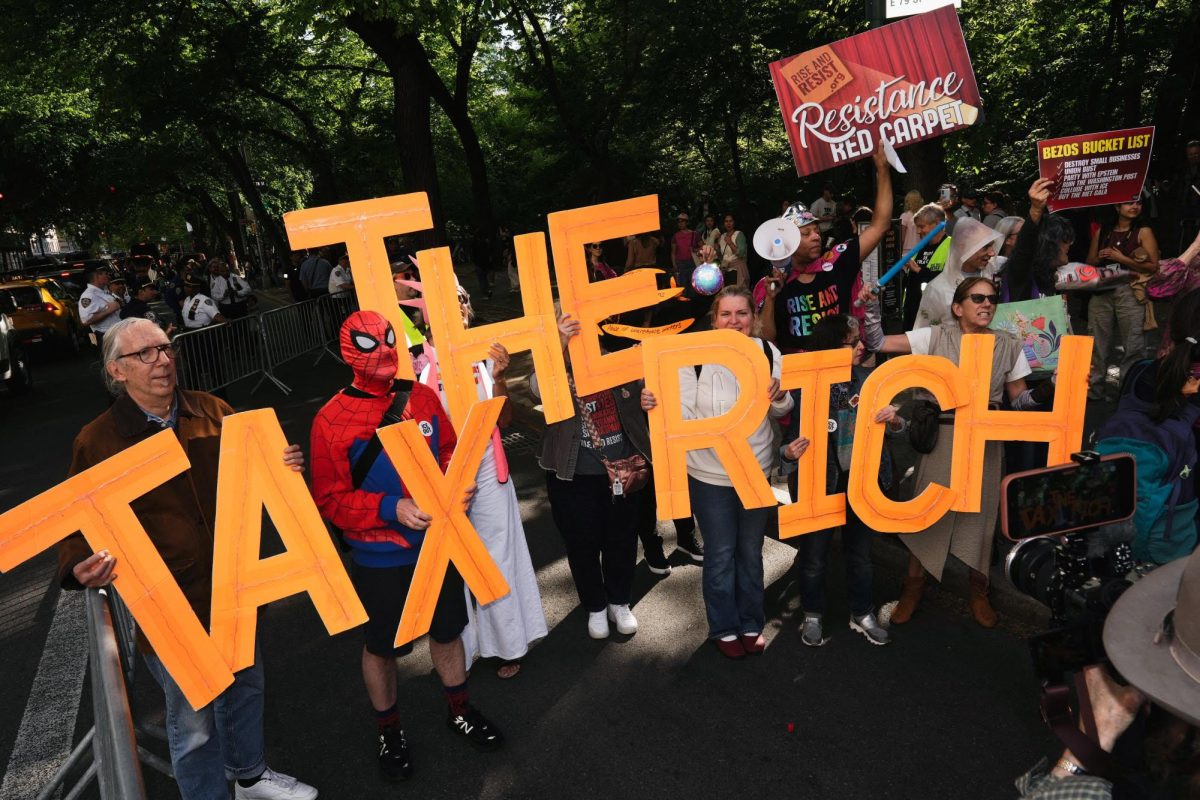












In recent years, many students in the United States have begun to lack in their understanding of current political events. Many high schoolers rely on information from social media, which does not always contain reliable sources. Because of this, high schoolers are susceptible to developing uninformed political opinions based on online propaganda.
It has been found that most college students do not have a basic understanding of politics or contain much background knowledge of what they are voting for. This has raised concerns that young adults in Generation Zoomers, better known as “Gen Z,” are not prepared to take part in voting for president, as their decisions may not be well-informed. “ I think that does affect the voting, because people just see what their sides are doing, and they just agree with them, even though it might not be correct,” Junior Grier Julkowski said.
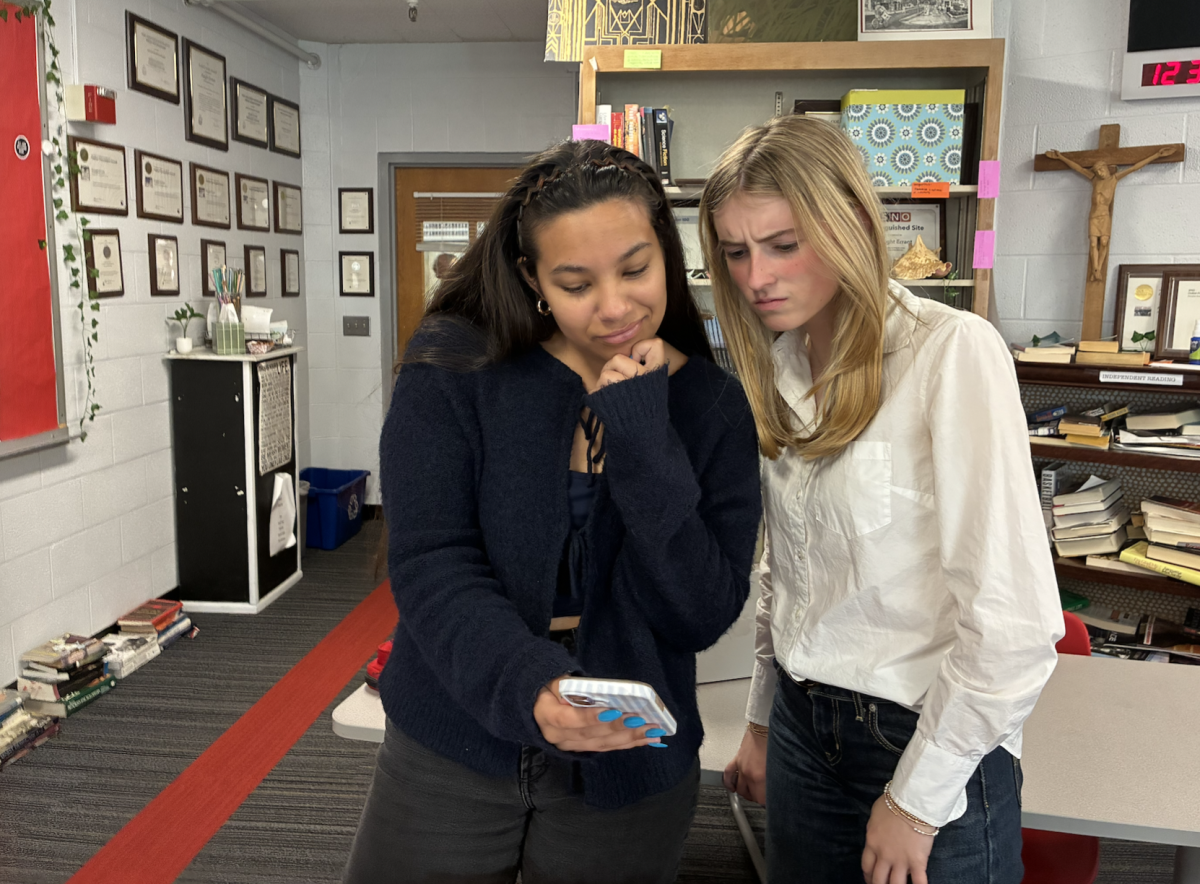
As online presence has increased, many people have jumped on social media platforms to share their political stance. This can sometimes be problematic because online sources do not always provide accurate information. Studies show that Generation Z and Millennials are more vulnerable to false news. Especially around times of presidential elections, misinformation can be rapidly spread by AI generators and biased sites. “[High schoolers are getting sucked into their phones with whatever TikTok stuff, and then the new sources they have may not be the most reliable or unbiased,” history teacher Keith Jones said.
Because there is a large variety of sources on social media, many people do not feel the need to search news outlets for information. Depending on social media for news has become more common, as many people feel that they are informed through it. About 60 percent of Americans somewhat rely on social media as a source of news. However, social media is typically not as truthful as one may be led to believe. It can be difficult to judge what is real and what is exaggerated, because a large portion of the information on social media is biased. The exposure of information is highly selective and likely to only show one side of the story. Peterson expresses how her online feed influences her personal political beliefs. “I’m not really seeing a lot of far-right propaganda online. I’ve seen a lot of liberal stuff,” Peterson said.
Social media feeds are curated to each person, and when people interact with certain posts, their feeds begin to conform to whichever political side they lean towards more. This can spark far-left and far-right ideologies, and the chance of misinformation spreading increases. “I feel like a lot of people base their political views on what they see online and what is curated for them,” junior Maddie Peterson said.
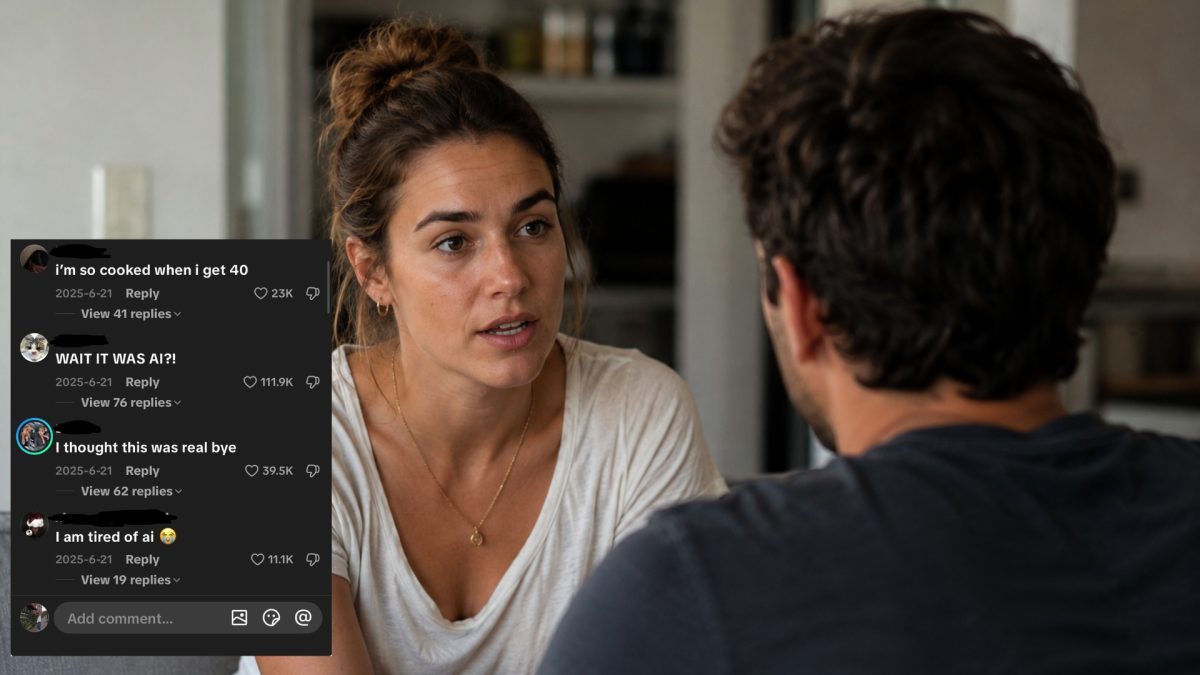
The use of AI-generated information has increased as of late 2022, and with that, it can also be more difficult for people to know what information can be trusted. AI can generate news articles, and fake pictures and videos that may be difficult to separate from reality. “People fall for anything these days. I’ve seen so many videos of AI Erica Kirk jumping around on stage,” Peterson said.
Students also notice that others’ opinions are highly influential on their peers. When people spend a lot of time together, their views begin to warp together. “People believe a lot of what their friends are saying, and it’s really hard [to know what to believe] because no one’s fully educated,” Junior Grier Julkowski said.
When opinions begin forming around rumors and word of mouth, it is easier for information to get skewed. Not only friends, but influencers can be very persuasive in their political ideologies. Many people will simply believe anything that an influencer says, only because they are a fan of their page. “They’re just talking about things that they don’t even know about…Then it’s like, well, you’re getting your information from someone who doesn’t know what’s like going on. So why do you believe them?” Julkowski said.
The war involving the United States of America and Iran has stirred up a lot of controversy, with conflicting opinions about the continuation of the war. Most liberals disapprove of President Trump’s handling of the conflict, while a smaller percentage of conservatives agree with Trump’s ideology. Many people support political parties blindly because they think they align with a certain belief system. However, distinguishing personal ideologies can be challenging for people who do not understand all of the details behind political events. “I wish that all schools could [teach current events] so that students could be well-informed and realize why they have the belief system they do, whatever the bias they do [have], or also realize, oh, I don’t think like this, right?” Jones said.
Many students at Benilde-St. Margaret’s get their ideas about politics from their parents and influential figures around them. Political ideology is formed at a young age and continues to develop as children grow older. Sociologists have proven that education, poverty, wealth, generosity, and criminality consistently run in families, along with other things. This shows that the influence that parents have on children can be very strong, which is likely why many children follow in their parents’ footsteps when it comes to their political stance. “What a lot of kids at this school believe is obviously what their parents believe most of the time,” Peterson said.
When young adults reach more transformative points in their lives, their own beliefs will likely begin to form. A moment where this is likely to happen is when students enter college. They are surrounded by different cultures, perspectives, and beliefs that can help diversify their understanding of things like politics. Because of this, college is typically a critical period for people to develop self-identity. “It may take getting away to college for them to understand where their beliefs are… Maybe it remains the same as their parents, or maybe they’ll have their own awakening and realize, oh, this is different than my parents,” Jones said.
A lot of the confusion around current political events is because students lack the motivation to take the time to learn about them. Many students know about events, but are unaware of the details that are important to understand. This difference is noticeable in high school classrooms as well. “I think they’re less passionate, less involved, even though they have access to more stuff,” Jones said.
High school students can also get caught up in political parties without much political knowledge because they are focused on the aesthetic of whichever party. Republican aesthetics typically include traditional American athleisure, with some sort of patriotic clothing or attitude. On the other hand, Democratic aesthetics focus on louder, more vibrant clothing. Both looks make different statements, and it can become easy for people to get caught up in the certain aesthetic of either party. “There’s this far-right account that makes mock necks that say ‘The New Right,’ …Like, people would buy that because they like a mock neck, you know?” Peterson said.
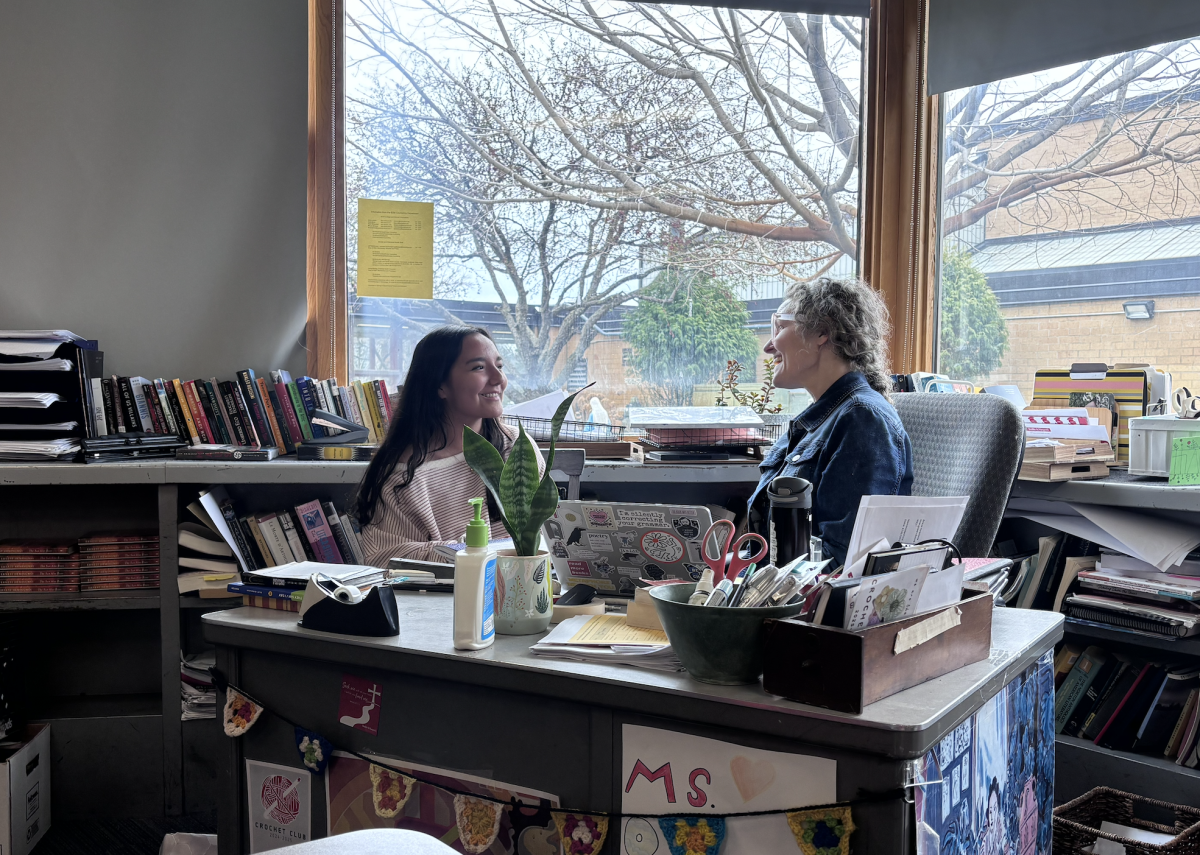
Jones explains that to prevent misunderstandings, he teaches his classes all the angles news anchors take. He explains how he attempts to incorporate current events into his class material to give his students more knowledge on what is happening in the world. “I work on trying to deliver neutral information. I talk about left, right, and center. [I also] talk about Catholic Social Teaching, and what the Church teaches. Hopefully, when students leave my class, they have a bit more awareness and curiosity once they’re out of here,” Jones said.
To create a holistic understanding of world events and build a solid base of personal political ideology, people have to learn multiple perspectives different from their own. If people are basing their political opinions on misunderstandings of events, it could lead to uninformed decisions. Everyone is susceptible to misinformation, but students are far more vulnerable. However, many teachers in the United States hesitate to talk about politics with their students.“I think some teachers are intimidated to teach current events, thinking that they might be blamed for being left or right, liberal, conservative,” Jones said.