

























The controversy between misandry (hatred towards men) and misogyny (hatred towards women) is not new, but the way the question has been posed over time has evolved. There have always been debates on the effects of misogyny and the systematic oppression that women endure, but with a recent resurgence of misandry online, the discussion is now about whether misogyny or misandry holds more importance over the other, or if one doesn’t matter at all.
This contention comes from the effect that misogyny has had systematically on women compared to the low systematic impact misandry has on men. Byproducts of misogyny in the past in the U.S. include restrictions on voting, access to postsecondary education, and holding specific jobs; however, misogynistic consequences are still heavily present today, as seen with the wage gap between men and women and femicide (the killing of a woman or girl because of her gender) rates.
These issues are not exclusive to the United States. Women in less developed countries experience much heavier effects from misogynistic patriarchal laws; an example of this is seen in Afghanistan, where women are barred from universities, most jobs, and many public spaces such as parks and gyms, which are all direct inhibitions on their personal freedoms due to misogyny.
Misogyny does not just materialize as “hatred” – it can also function as the oppression of women in many areas of life. For many, misogyny’s impact is ingrained in society, whereas “Misandry is a direct response to misogyny,” senior Christin Gilmer said.
Misandry tends to appear as a general distaste towards men, and at most, an exclusion from social areas more dominated by women, which is defended as a preventative measure against violence on women by men. The justification is that misandry offends, and misogyny kills. “Misogyny gets people killed. Misogyny has structures built around it,” while “Misandry is just made up of hurt feelings,” Gilmer said.
Most agree that misogyny is an issue, but some advocate for more action against misandry as well: “I think society focuses on the woman, and it’s honestly unfair, because you’re not focusing on… the safety and… the feelings of both,” senior Anna Kelm said.
While some with opinions like Kelm’s want society to focus on both issues, others say it’s unhelpful to treat them as equal threats because it can excuse men from taking accountability for their actions. “They choose to say, like both misogyny and misandry are important, but not be aware of the weight that misogyny holds over misandry,” Gilmer said.
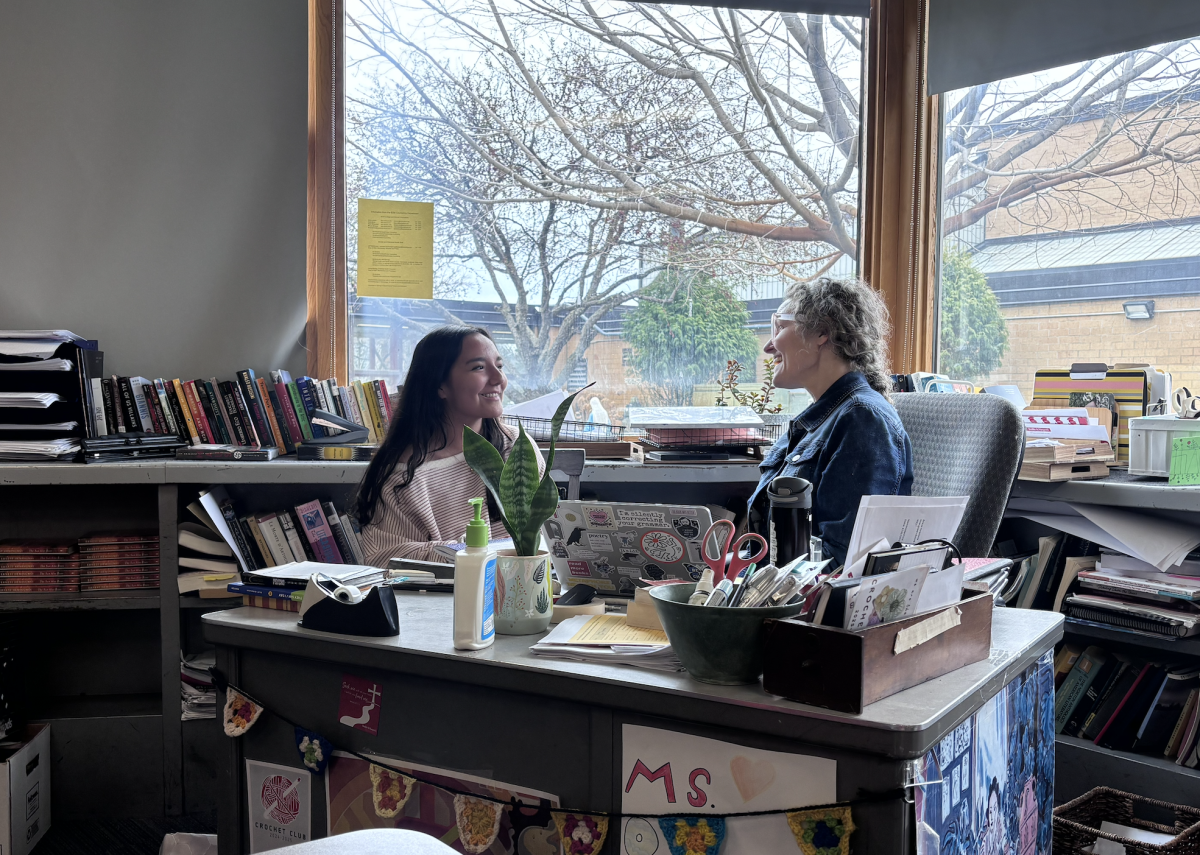
Men may be victims of targeted misandry, but some argue that men themselves are contributing to the increase of misandrist thought and internalizing misandry among themselves. In male-dominated spaces, from online commentary to locker-room conversations, men can often remark on masculinity in other men. “I think the definition of acceptable masculinity is getting narrower and narrower and narrower… They [other men] just want to discourage any natural tendencies that these young men want to do, or even boys want to do, just because it doesn’t fit in this little narrow box,” English teacher Anne Marie Dominguez said.
When men do this to other men, it creates a toxic environment where their masculinity is threatened: they feel the need to be hyper-masculine in whatever way society sees fit. They might change the way they dress, cut their hair, deepen their voice, or anything that society might see as effeminate, which, in the eyes of other men, is the worst thing of all.
Presently, misogyny and misandry are becoming more intense, and additional harmful societal effects are coming into play. At their extremes, it becomes bioessentialist: through the lens of extreme misandry, men = bad, women = good, and vice versa for misogyny.
When these ideas deteriorate so far into these extremes, it doesn’t benefit either side. Getting both sides to relax would be beneficial, but the optimal solution would be for neither of them to exist. The question is, though, is such a possibility even viable?
Most likely, there will always be hatred in the world – it is impossible to exterminate entirely. “Let’s all just like, hold hands, be nice to each other, and love each other. But that’s incredibly unrealistic… [A solution] doesn’t really exist,” Gilmer said.
Some also say part of the problem is how people are becoming more disconnected from reality and empathy through social media. When online, it’s easier to throw insults and consume hateful ideologies because it’s so impersonal. “Social media makes it easier to be a [bad person]…I think the humor has taken the more cruel side when you just get to watch it… You’re totally detached,” Dominguez said.
Because we do not live in a perfect world, misogyny and misandry will likely never vanish, but, in being more personal and open with each other, we can aspire for a kinder society and focus on these issues while treating them as they are, while accepting that one may have to take priority over the other.