



























Fancy looking like Darth Vader? The newest TikTok / Instagram skincare trend Red Light Therapy features a low energy and minimalistic angle for skincare compared to the array of creams and serums for acne treatment and anti-aging, but it’s pricey, typically costing between $100-500. “The red light bed is very expensive, and so are all the red light things, but I feel like in certain circumstances the price is good. … I feel like when big influencers start using red light masks and you just hear dermatologists like approving of it, then it becomes more popular,” junior Sadie Langevin said.
Red Light Therapy (RLT), also known as low-level laser light therapy, non- thermal LED light, or biostimulation, promises to treat wrinkles, redness, acne, and other aging side effects. RLT began as a strategy to treat wounds in astronauts, and it was eventually medically accepted in photodynamic therapy, a laser used to activate a photosensitizer drug, which creates a chemical reaction to destroy cells from certain skin conditions like skin cancer and acne. Although it is being advertised as an anti-aging product, RLT actually works by activating the cells’ mitochondria. More energy in one’s body stimulates collagen and fibroblast production, in turn repairing skin, promoting cell growth, and skin rejuvenation, resulting in a glowy structure, elasticity, and reduced inflammation. “I’ve been using it for three months. My face is less puffy, and it’s been clearer,” Langevin said.
As an emerging treatment, there is limited information on RLT’s effectiveness, varying by study and depending on duration, frequency of treatment, and wavelengths. Some studies say that RLT is more efficient in stimulating hair growth and less for skin development. “Overall, studies show that there’s a benefit with hair growth, and there’s evidence to suggest it can reduce inflammation of tissues. But it all depends on the strength and duration of the treatment — which is largely unknown when people buy tools for use at home,” Zakia Rahman, a clinical professor of dermatology at Stanford Medicine said.
Although there may be skin and hair benefits, RLT has tapped into an entirely new dimension of mental health: meditation. Meditation has been in practice for thousands of years, and although it began as an ancient spiritual and religious tradition, it has evolved to a secular practice that aims to benefit an individual’s mental and physical well-being, including stress reduction and increased focus. During the typical 10-20 minute red light session, 3-5 times per week, meditation comes as a bonus and an opportunity to simply be present and take a break. “I use it as a relaxation piece. I use it right before bed with the lights off, and it’s really calming, but I also feel like it can help with skin and health. It makes me feel really relaxed, it puts me right to bed, and I feel productive, even though I’m just lying down. So I recommend it,” Langevin said.
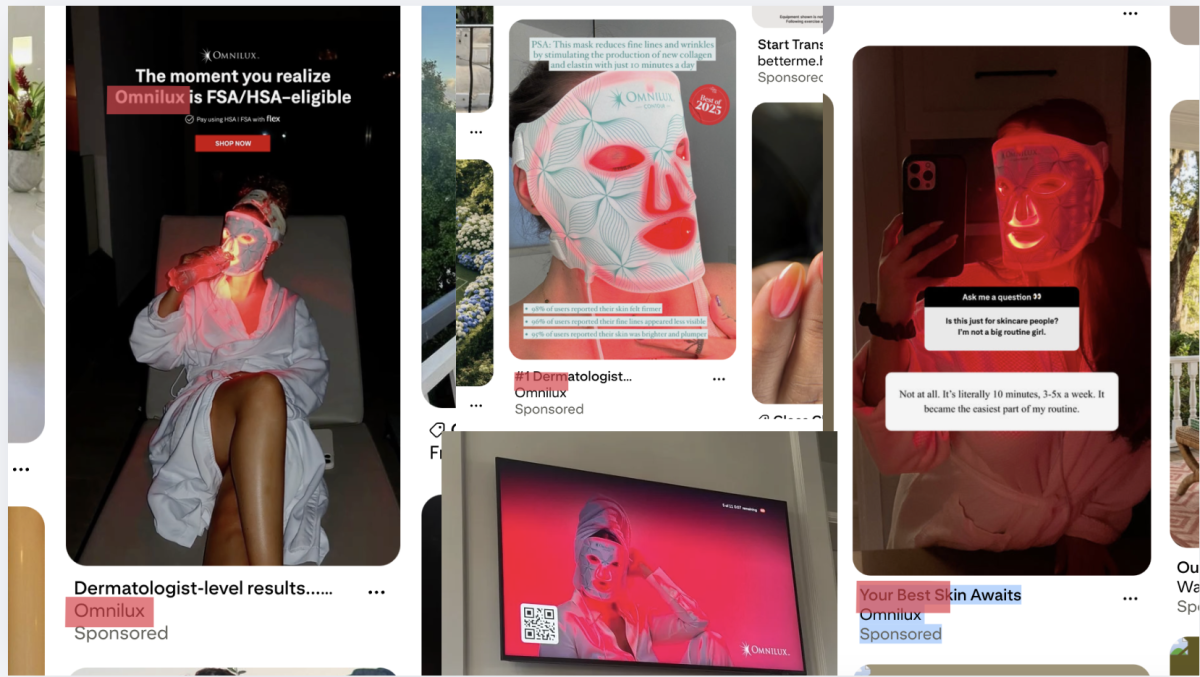
The market is full of red light mask brands, but here are some of the most common masks: Omnilux, the Shark CyroGlow LED Face Mask, Shark Beauty Cyroglow, and Dr. Dennis Gross DRx SpectraLite FaceWare Pro.
RLT can be bought and used at home, and is present in tanning salons, gyms, and beauty spas. However, careful use is required; if misused or used too often, a change of skin or eye damage may occur, but there isn’t enough data to see long term effects. “I’d say it was relaxing. I felt like I was in a spa,” junior Ava Lockhart said.