
































As news surrounding the spread of hantavirus continues to appear across social media and new outlets, many students at Benilde-St. Margaret’s School is beginning to hear more about the virus and its possible effects. Although cases remain rare, conversations about public health and disease outbreaks have become increasingly common among students, especially after the COVID-19 pandemic just a few years ago.
Hantavirus is a rare but serious disease that is primarily spread through contact with infected rodents or exposure to their droppings, saliva, or urine. According to health experts, the virus is not commonly spread from person to person, but it can still cause severe illness if contracted. Symptoms can include fever, fatigue, muscle aches, dizziness, and difficulty breathing. Because the virus is uncommon, many students don’t know much about it or how it spreads.
One reason hantavirus has recently gained attention is due to the speed at which information can spread online. Videos and posts on platforms such as TikTok and Instagram have caused some people to worry, even though the chances of getting the virus remain low for most. Health officials continue to stress the importance of awareness, but panic is unnecessary. Most cases occur in rural areas where people may come into contact with mice or other rodents while cleaning sheds, attics, garages, or campsites.
Even though hantavirus is rare, experts say there are simple ways to lower the risk of exposure. Wearing gloves while cleaning areas with possible rodent droppings, disinfecting surfaces, and avoiding sweeping or vacuuming dry droppings can help prevent catching the virus.
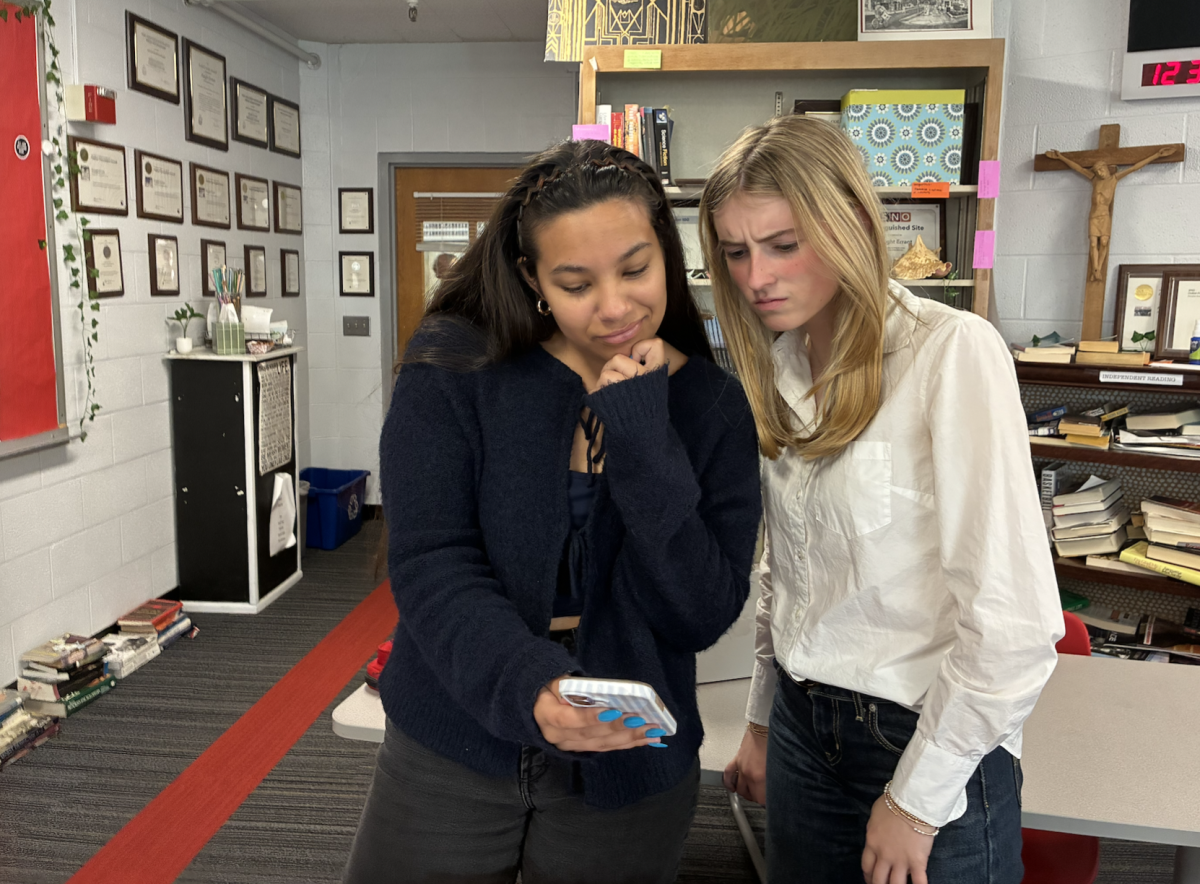
Senior Natalie Nordquist said she first heard about hantavirus through TikTok and believes the internet has played a major role in how people are reacting to it. “Yes, I think that it has [students] worried, and I think it might be slightly exaggerated, because it’s been around before,” Nordquist said.
Nordquist explained that although she has noticed students becoming more aware of health and safety, she personally is not overly worried about the virus itself. “No, it’s been around for a while… It’s just like now the internet’s hyping it up,” Nordquist said.
Another BSM senior, Bevelyne Rioba, said she first learned about hantavirus through her family group chat after her sister shared a video about it. While she does not think the virus has drastically affected daily life at school, she believes some students may still feel nervous internally. “I don’t really see it as much, but probably there are some students who are scared on the inside,” Rioba said.
Rioba admitted that hearing about another possible virus outbreak does make her somewhat concerned, especially with graduation, travel, and college right around the corner. “I’m worried about traveling and also college… If we’re going to go into quarantine, do I have to stay in the dorm, or do I have to stay at home?” Rioba said.
Like Nordquist, Rioba believes social media heavily contributes to public fear. She said constant updates and alarming headlines online can make situations seem more dangerous than they may actually be.
Although opinions differ on how serious the concern should be, both students agreed that social media has amplified conversations and worries surrounding hantavirus. As information continues circulating online, many students are trying to balance staying informed without becoming overwhelmed by fear.