
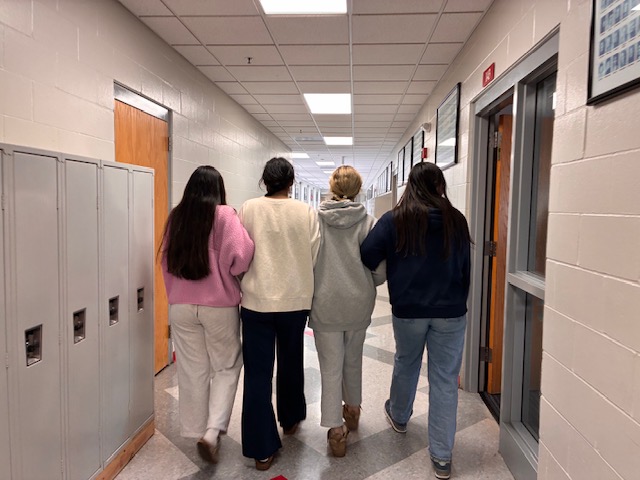




























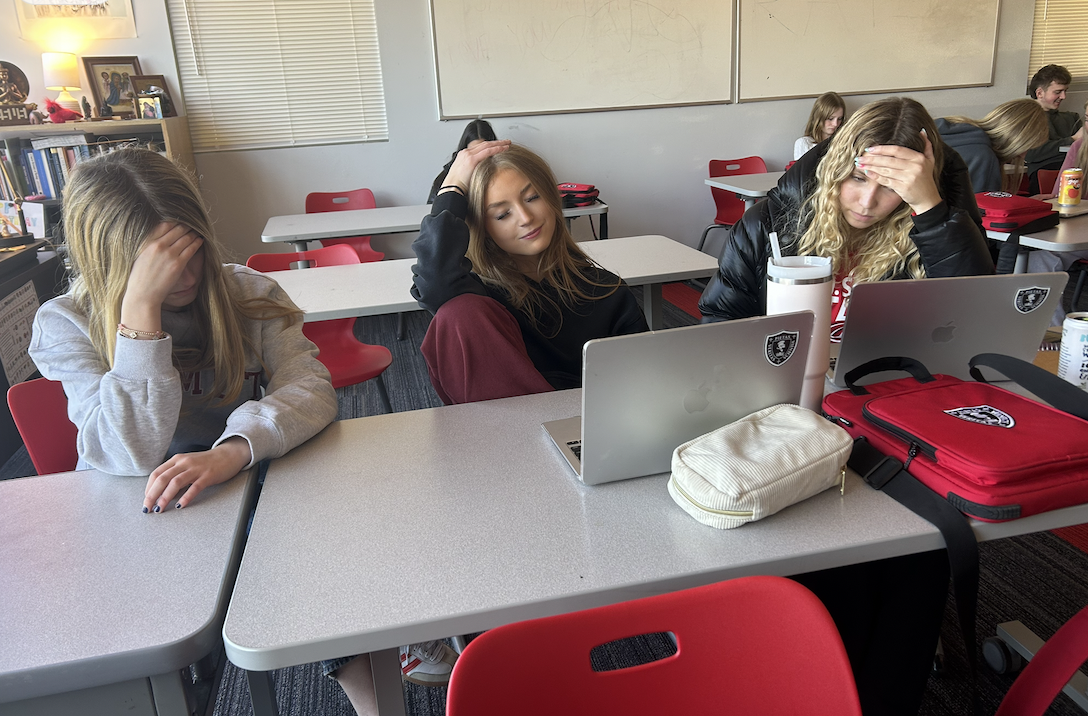
Inspired by the feelings that arose with the Annunciation shooting, junior Maeve Steichen has been working with the organization Bring Change to Mind to help fund and develop a mental health club at BSM. The club would support students who are experiencing hardships from the Annunciation shooting or simply need more emotional support for other reasons. However, the club was denied by the administration because it was deemed unnecessary.
Steichen states that the primary purpose of the club is to bring people together and give students a place to go when they feel alone. High school students face pressures in school, social interactions, and personal growth. Teens face unique mental health challenges that can significantly impact them for the rest of their lives. “I really wanted a club that would be a safe space for students…We would just do fun activities, hang out, and support mental health. That was just my goal,” Steichen said.
The importance of mental health has been proven in recent years. Globally, one in seven 10-19-year-olds experiences issues with mental health. Many factors, such as social media, contribute to the harm to mental health in teenage children. “I think just making sure that young people have all the support that they need [is important],” Steichen said.
Data shows that mental health has only continued to worsen in children of high school age. In 2023, the CDC found that four in ten students had persistent feelings of sadness and hopelessness, two in ten students seriously considered attempting suicide, and nearly one in ten attempted suicide. A club that is specifically designed to help assist students with their mental health could be very beneficial to students in need. “I feel like a [mental health club] would be beneficial to a lot of people,” sophomore Grace Zhao said.
Many students experience emotional trauma that affects them every day, but it is not visible on the outside. According to the Psychiatric Institute of Washington, it is important to validate teens’ mental health because it promotes emotional safety, builds trust within the community, and encourages healthy coping. “I think mental health is something that affects everyone, and it’s really important that we give students that support,” Steichen said.
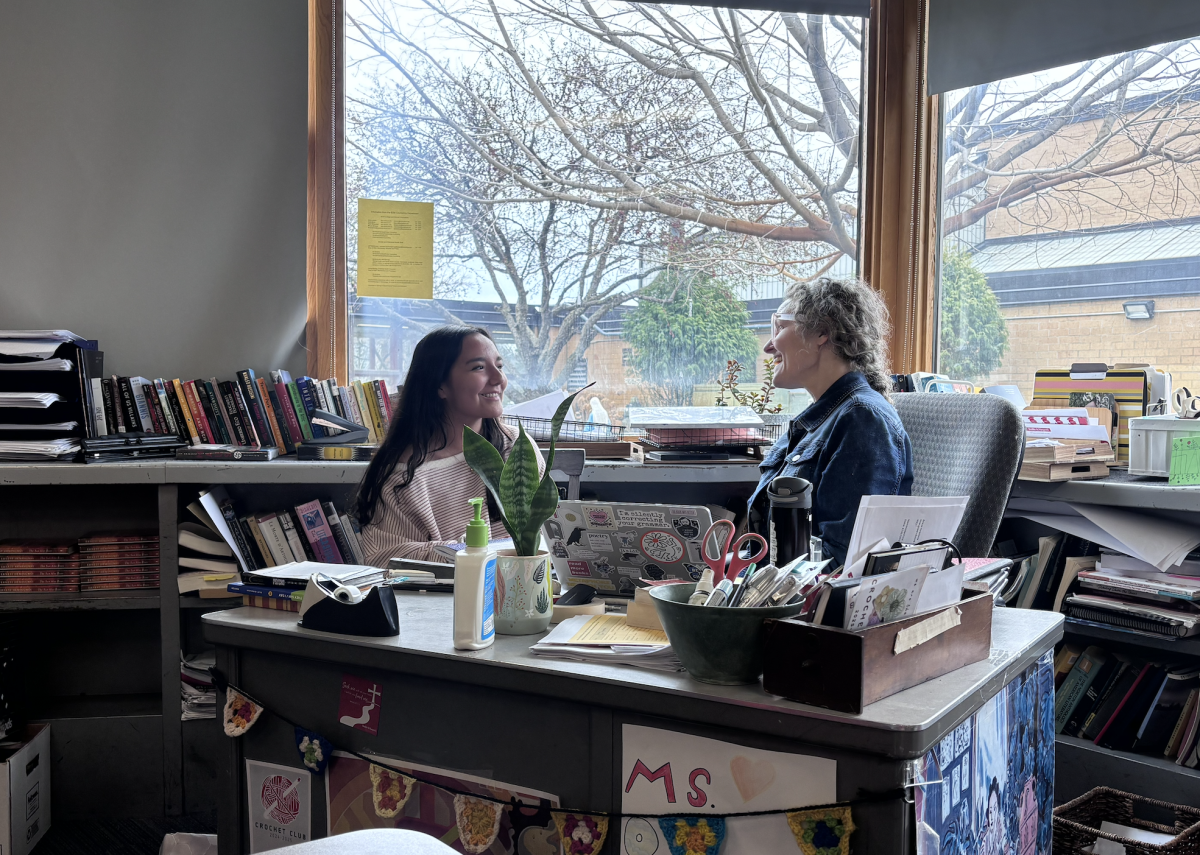
In support systems such as Steichen’s mental health club, students are able to express themselves and feel heard when they may not have anyone else to talk to. With added pressures and online influence, students are more likely to be highly affected by other online users. “It’s super hard for students nowadays, especially with social media,” BSM counselor Heidi Wessman said.
For students who are not experiencing deep emotional traumas that are more appropriate for a licensed therapist, studies show that safe spaces for emotional support through peers can also be helpful. Some research suggests that group therapy may even be more helpful for youth than individual therapy. Having access to peer groups can help teens learn coping skills, better process their emotions, and connect with others who are facing similar challenges. “I do think that clubs that help the mental health of students allow them to just be with one another in a way that’s calm and easy-going and non-stressful,” Wessman said.
Some teens are affected by cyberbullying when they are exposed to life behind a screen. Users are often more opinionated and not afraid to hold back when they are representing themselves on social media. This can raise feelings of anxiety or depression in teenage victims of cyberbullying. “I mean, I’m ancient, and I didn’t have social media back when I was little and or when I was young and in high school,” Wessman said.
At BSM, new clubs have to be approved by the administration before they are allowed to begin. When Steichen proposed her idea, questions arose about how it would be possible to financially support the club. “With funding the club, the outside source, Bring Change to Mind, would give me a grant, but Benilde didn’t really feel super comfortable with that happening, which makes sense,” Steichen said.
However, the administration also explained that BSM already has access to therapist Jeff Stefenson for students who need his support. Having a mental health club may be unnecessary, and there could be issues around a lack of emotional support for the students attending. “As a school, of course, we support people trying to better their mental health. But what they want to do is to make sure it’s the trained professionals who can provide them with the best route into helping them with that concern,” Assistant Athletic Director Jacob Sand said.
If students are experiencing deeper trauma or are in need of professional help, support from an adult to talk through and get advice on different issues can be more impactful than peer resources. Along with Steffenson, students at BSM also have access to their guidance counselors for emotional support. “We’re not licensed therapists, but we definitely have some training with helping students through mental health struggles, and I feel like it’s hugely important for students to seek that outside help with a licensed therapist,” Wessman said.
The BSM administration also suggested that if students are having issues with sensitive topics, they should refer to professionals who are trained to help in those cases. It may be difficult for a student to handle the stress of helping their peers with emotional struggles. Sand explained how he hears the first pitch of the club, and then brings the idea to the administration, and then he conveys that information back to the student. “If Maeve is there with a moderator, that’s a lot to have on someone’s plate to be in charge of other people’s mental health. We want someone who’s trained and gone to school for those things and able to handle those situations the right way,” Sand said.
When presented with the idea, the BSM Administration expressed its concern for Steichen carrying the burden of feeling responsible for helping these teens. It expressed its concern for students dropping deeper traumas and Steichen’s lack of a license to talk about those issues. “They just want to talk. But when you talk about mental health, there’s a risk that someone is going to share something [dark] that needs to be shared. And that would put a lot on anybody, let alone a student,” Sand said.
After her idea was shut down by the administration, Steichen stated her hope for the future, and that maybe critiquing a few aspects of her plan could help bring it to action. She is still confident that she can bring the club to BSM next school year. “I hope that next year, maybe I can try to propose again, but we’ll see,” Steichen said.