























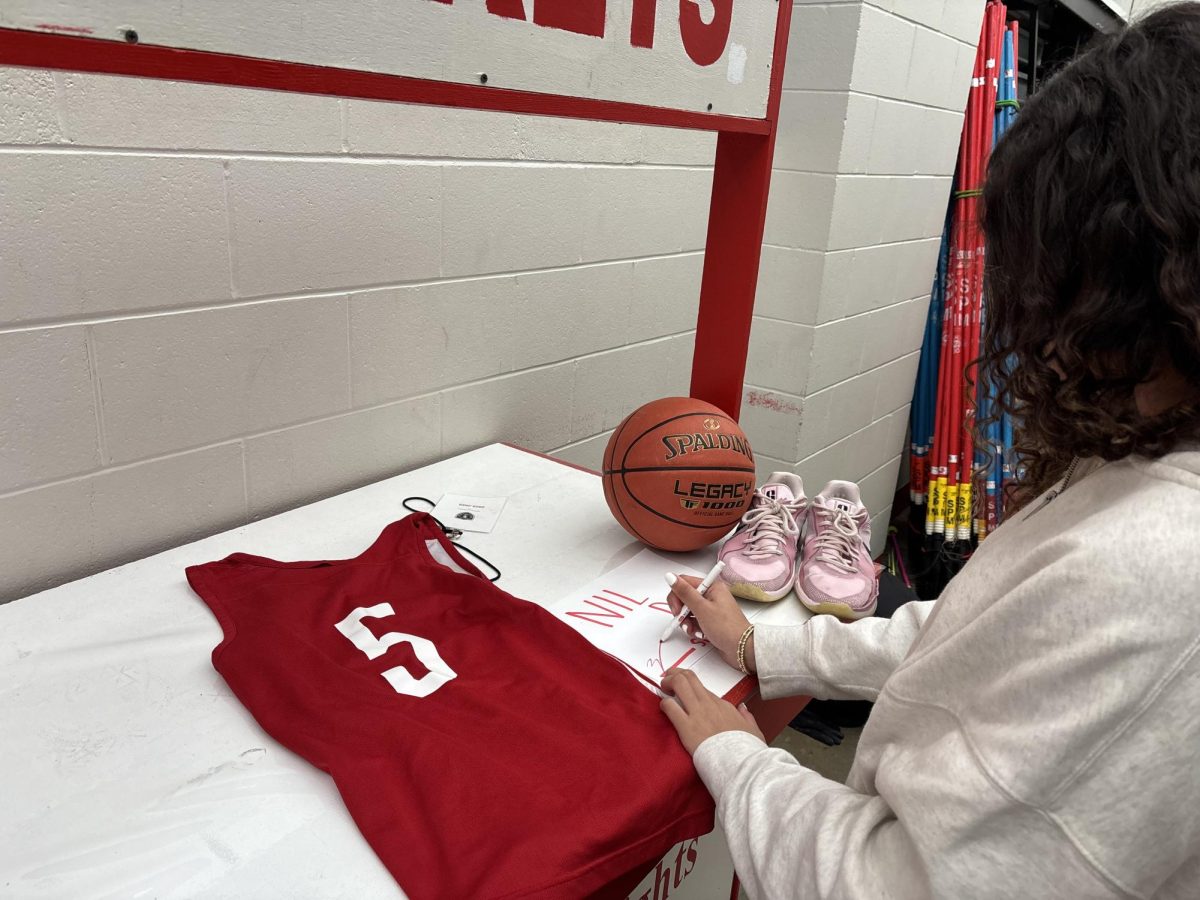
High school sports have always been about competition and school pride, but with the new Name, Image, and Likeness (NIL) rules, high school athletes in some states are allowed to earn revenue from sponsorships. While some people see this as empowering for an athlete, paying high school athletes will create more problems than it solves, especially when it comes to fairness, pressure, equality, and the sport’s culture.
The NIL movement first gained popularity at the college level after the National Collegiate Athletic Association (NCAA) policy changed, which allowed college athletes to profit from their personal brand. People argued that athletes who bring in millions of dollars to the university should receive a share of the revenue they generate. At the college level, sports can function almost like the professional leagues. The argument that athletes should get a share of the revenue makes sense.
High school is different than college and the pros. Most high school athletic programs do not get huge revenue. They receive donations from the community or raise funds from the athletes. Games are played in local or high school gyms and fields. Athletes are students first; their focus should be development, whether it’s physically or academically. If we start to introduce that environment, it shifts their focus.
One of the biggest concerns would be inequality. Not every athlete will have the opportunity to benefit from NIL. In reality, only the most talented athletes, mostly in sports like basketball and football, are likely to receive sponsorship deals. Athletes in smaller programs or less popular sports probably won’t see the same opportunities. This would make a very clear division between marketable athletes and everyone else.
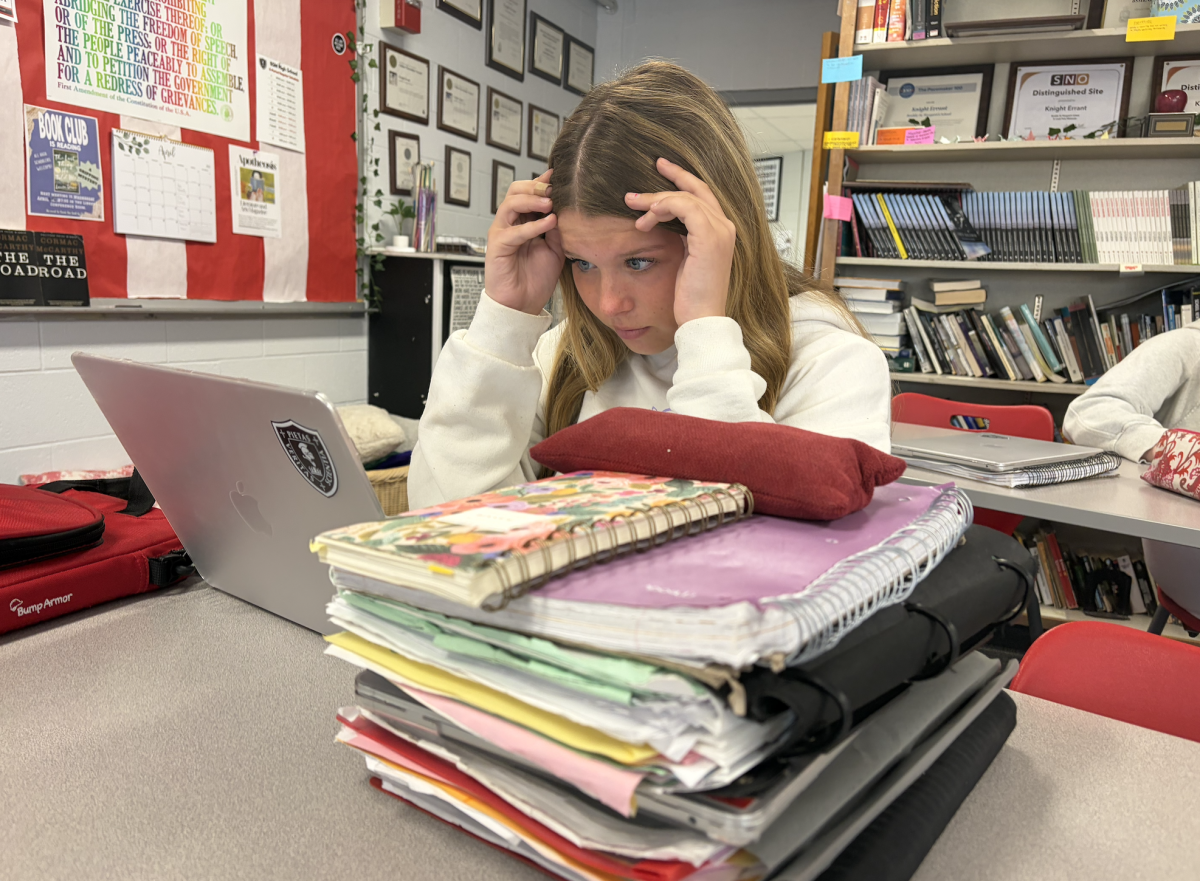
Another major concern is the immense pressure the players would have to deal with. High school is already stressful with juggling homework, social lives, family responsibilities, and athletic commitments. If money comes into play, their performance will have financial consequences. A bad season could mean losing a deal, and an injury could affect their income. To put that kind of pressure on a high schooler is something even professionals struggle with.
High school athletes deserve opportunities to get paid for their name and brand, but they also deserve protection from being exploited at a young age. If NIL is going to be a part of the next generation of high school students, schools and families must ensure that fairness and athletes’ mental well being remains their focus, not the paycheck.