









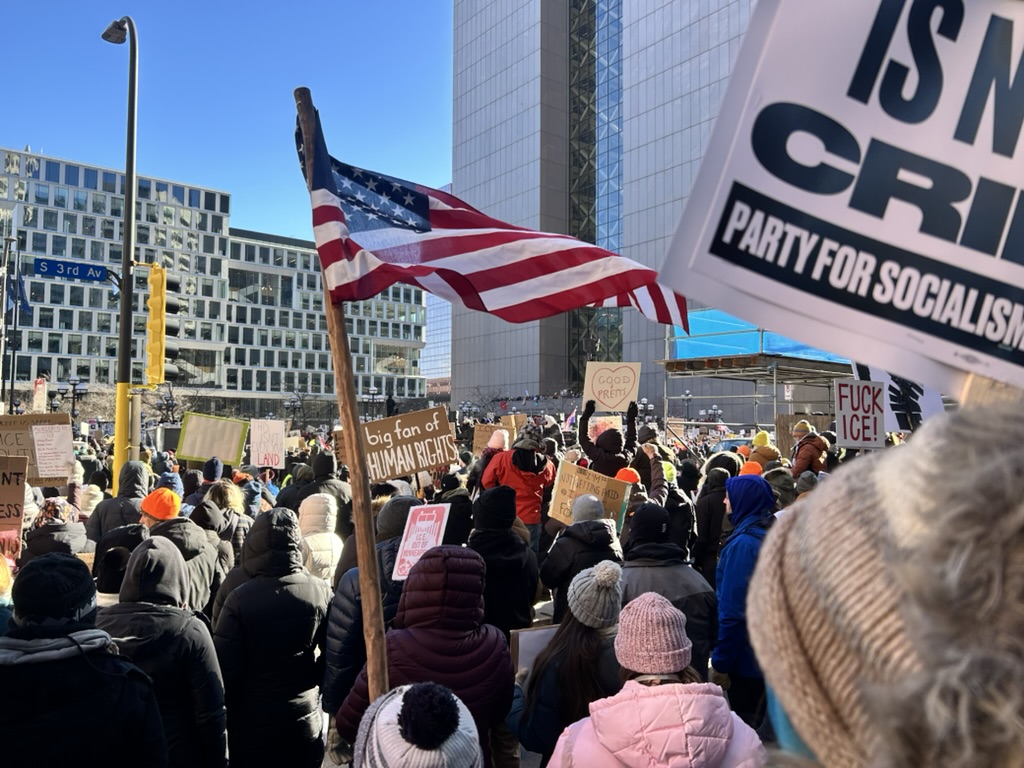
















In recent weeks, protests have been taking place across the United States over the increased presence of U.S. Immigration and Customs Enforcement (ICE). Right now, Texas has the largest ICE presence in terms of detainees and holds the most people in its facilities, but according to Stateline, Minnesota has had more intense and sustained protests due to Operation Metro Surge, Minnesota’s political resistance, and the heartbreaking deaths of Renee Nicole Good and Alex Pretti.
These protests are not isolated incidents, but reflect growing frustration with federal ICE agents and their impact on local communities. At Benilde-St. Margaret’s, many students and staff voice their frustration by protesting, and they show their support by being an open door for anyone who feels unsafe, sad, or just needs to talk about what’s going on. Stephen Pohlen, the director of student experiences, has worked at BSM for eighteen years and has been involved in the two major protests that happened in Minneapolis. “From my experience, the vast majority of the people at these events are there to support their neighbors and families who are hurting and sad. There is some understandable anger, too, but I didn’t see any violence,” Pohlen said.
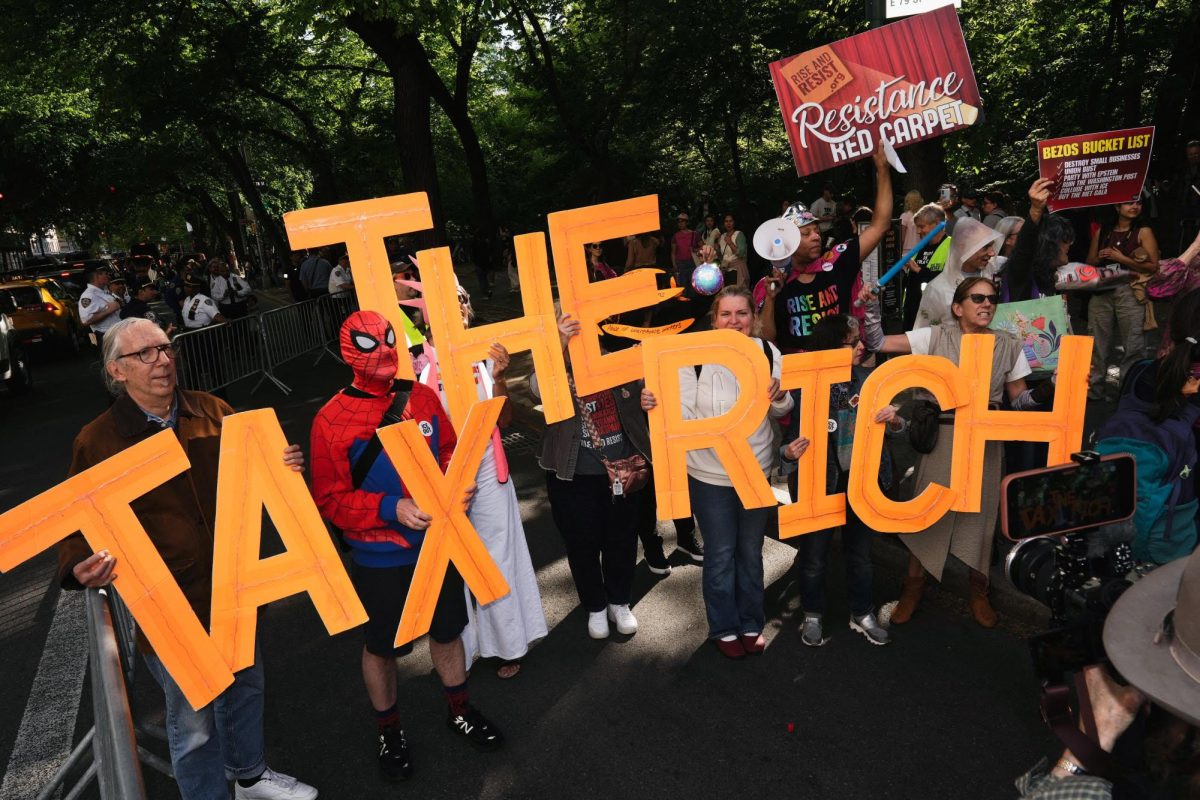
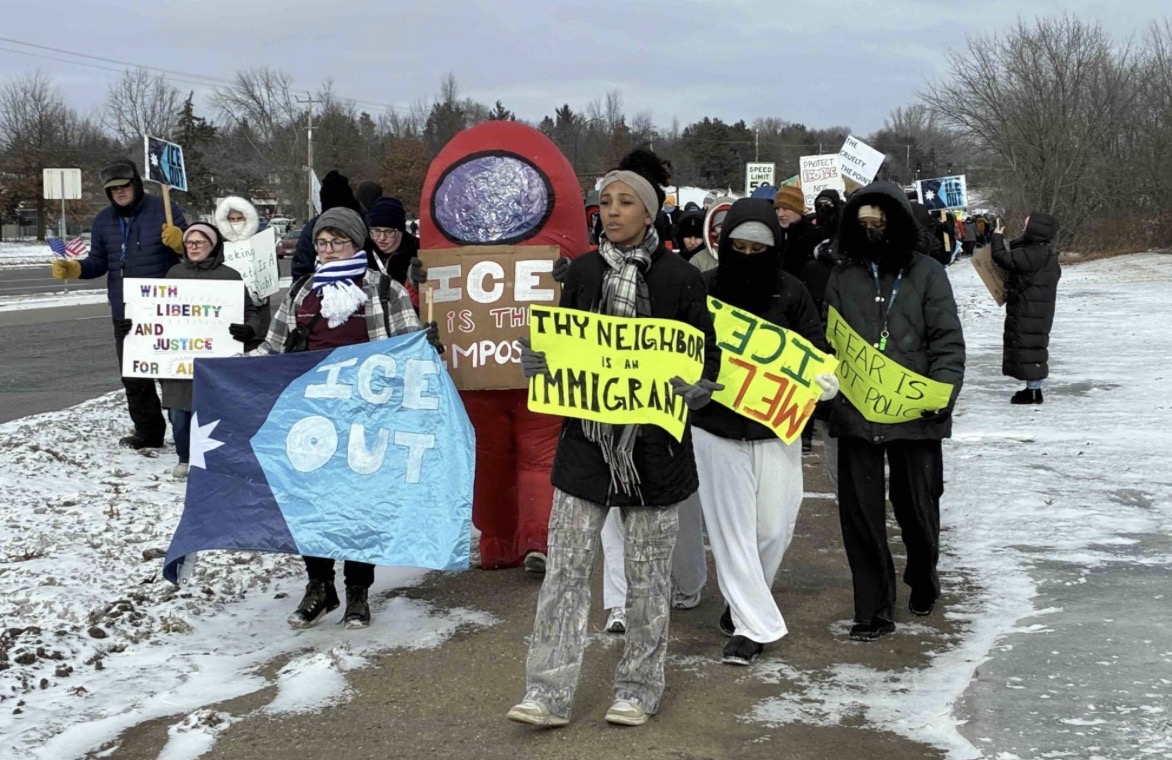
The protests have remained organized, with people walking together, holding handmade signs, and chanting as they march through the area. While tensions were at times noticeable, all protests have been peaceful and intended to express their views under their First Amendment rights. “I haven’t seen any violence take place at any of them…I was at the two largest marches, and most of the signage and stuff was like, ‘immigrants are welcome here’ and things like that,” Pohlen said.
Several students were also in attendance, most prominently from Roosevelt High School, whose campus had an incident involving ICE agents. ICE agents interacted with the students, not entering the school directly, but were following a suspect who had stolen an agent’s vehicle. The pursuit ended at the school. Although ICE was not directly present on campus, the proximity and escalation of events led to a mass walkout and protests in the following days. “It felt very uniting and powerful, seeing all of the different groups of one school come together,” Roosevelt student Olive Maly said.
Overall, the protests in Minneapolis and across the U.S. show ongoing disagreements over ICE policies. For many of the community members, the deaths of Renee Nicole Good and Alex Pretti have increased public attention and fear. Altogether, these protests are intended to reflect a broader national conversation about immigration, enforcement, and public safety, not violence or retaliation. “I think it’s just trying to hold law enforcement to treating people with human dignity. They have a job to do, and that’s fine, but you can treat people with dignity when you’re doing it,” Pohlen said.