









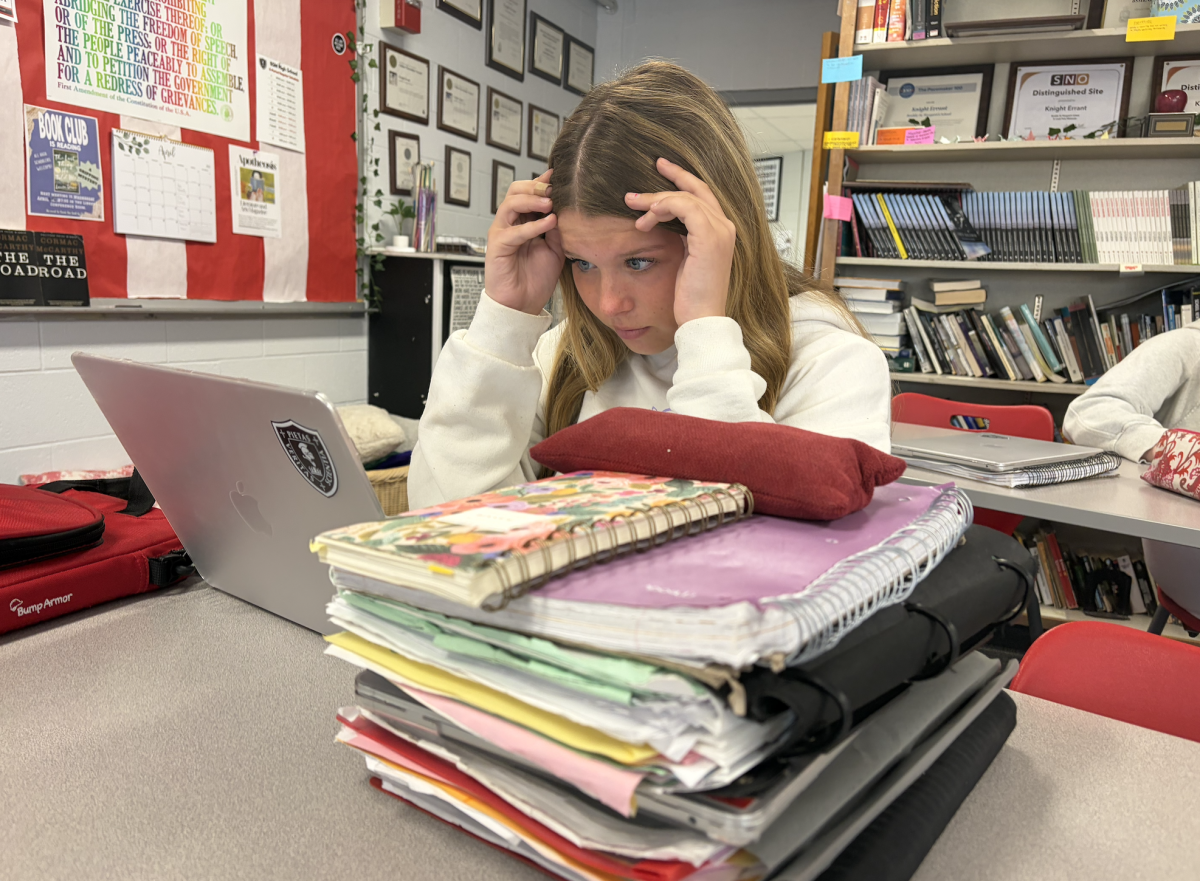


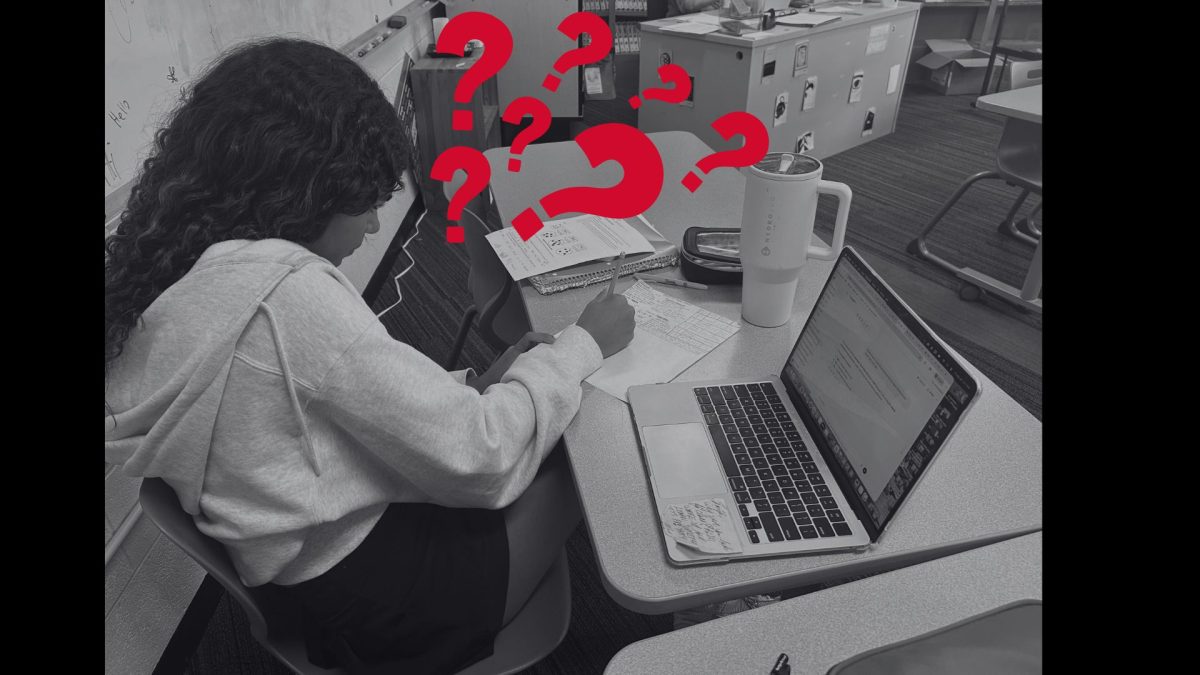



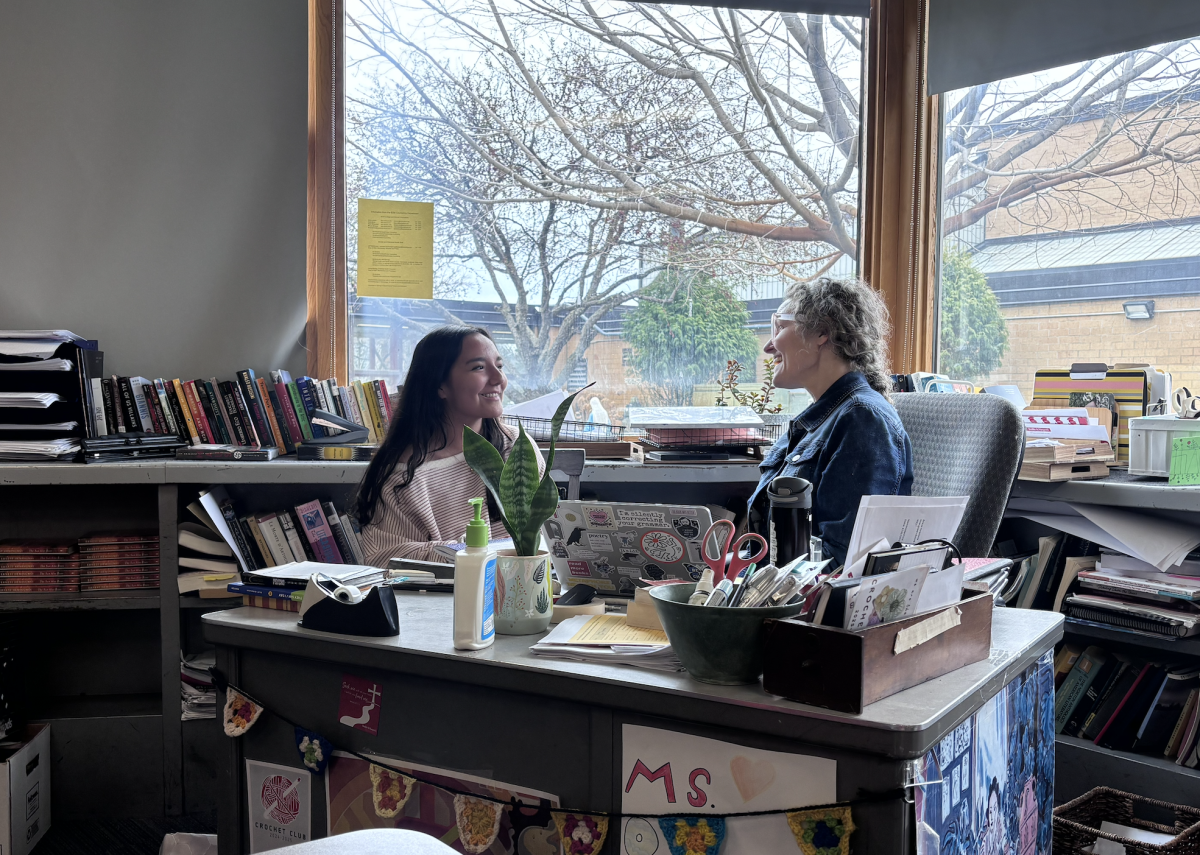














With the new semester beginning, many changes are on the horizon. Whether it’s shifting schedules, new classes, or adjusted routines, students and teachers are preparing for transitions. One of the changes at Benilde St. Margaret’s is the arrival of multiple long-term substitutes, who step in when teachers are away for extended periods and help maintain classroom stability.
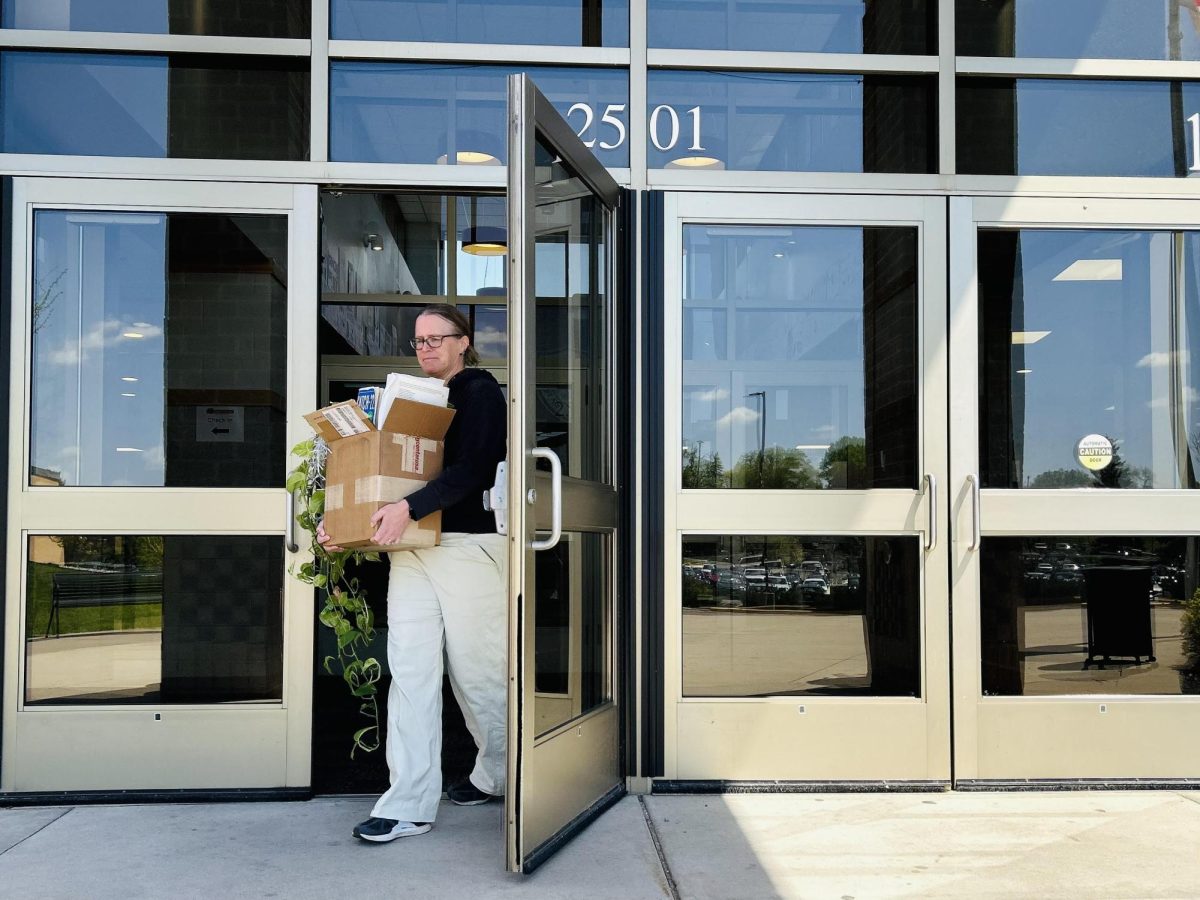
Preparing for a long-term substitute often begins weeks or months before the teacher leaves. Teachers must organize lesson plans, curriculum materials, schedules, and assessments to ensure the learning of their students continues smoothly. This period of time can be stressful for both teachers and substitutes. There is pressure on teachers to prepare very quickly and efficiently, but there is also pressure on substitutes to take in the information, then display and teach it well. Kelsey Rathmanner, a Spanish teacher here at BSM, is coming upon her third leave of absence. “The first time I prepared for leave, definitely it was challenging to figure out, … but this time, I have a pretty good grasp of what a long-term sub would need from me to be successful,” Rathmanner said.
Beyond academics, long-term absences can affect teacher-student relationships. Teachers who leave in the middle of the year often do so after building strong connections with their classes, adding to the difficulty of the transition. Not being present for the rest of the year can feel unsettling, especially when teachers miss the opportunity to see students’ growth through the end of the year. “It’s weird not finishing the year with them… I don’t get to see where they get to at the end of the year,” Rathmanner said
Another concern with big changes like these in schools is how students respond to them. Students may behave differently with a substitute teacher or struggle to stay motivated without their regular teacher. Because of this, teachers often try to prepare substitutes with information about individual students, including those who have accommodations, need extra support, or have details about how they learn, which is all a big part of the preparation process. “You also want to give them context around your students… [For example], this student needs this type of support, make sure you check in with this student,” Rathmanner said.
From the substitute’s perspective, stepping into a classroom long-term presents a different set of challenges. While the role may not always feel overwhelming, it often requires quick preparation and flexibility, especially when teaching unfamiliar material. Long-term substitutes are sometimes responsible for classes outside of their training, which can add pressure to the transition. A new long-term sub to BSM, Cael Overgaard, has taken over a part of the chemistry department and Benilde. “I’d say that it hasn’t necessarily been stressful, but since I am only trained in teaching two of the classes I’m taking over it does feel like a bit much learning material the day before I teach it,” Overgaard said.
In addition to learning the course content, adjusting to schedules and school systems can be one of the most challenging parts of the job. Schedules may change daily, making it difficult to plan lessons and manage class time effectively. Supporting students while still learning school procedures also requires adaptability. Substitutes often rely on students as a resource to build understanding in the classroom. “The hardest part is just getting the schedule down… each day it seems like it changes and it’s quite challenging to teach classes when you aren’t sure when the next will end or begin,” Overgaard said.
As schools continue to experience many changes, long-term substitutes remain an essential part of keeping classrooms functioning. Both students, teachers, and substitutes face many challenges during these transitions, yet support and preparation can help ease the process. “As someone who’s substituted it’s quite expected that you can quickly integrate yourself within a new environment,” Overgaard said.