




































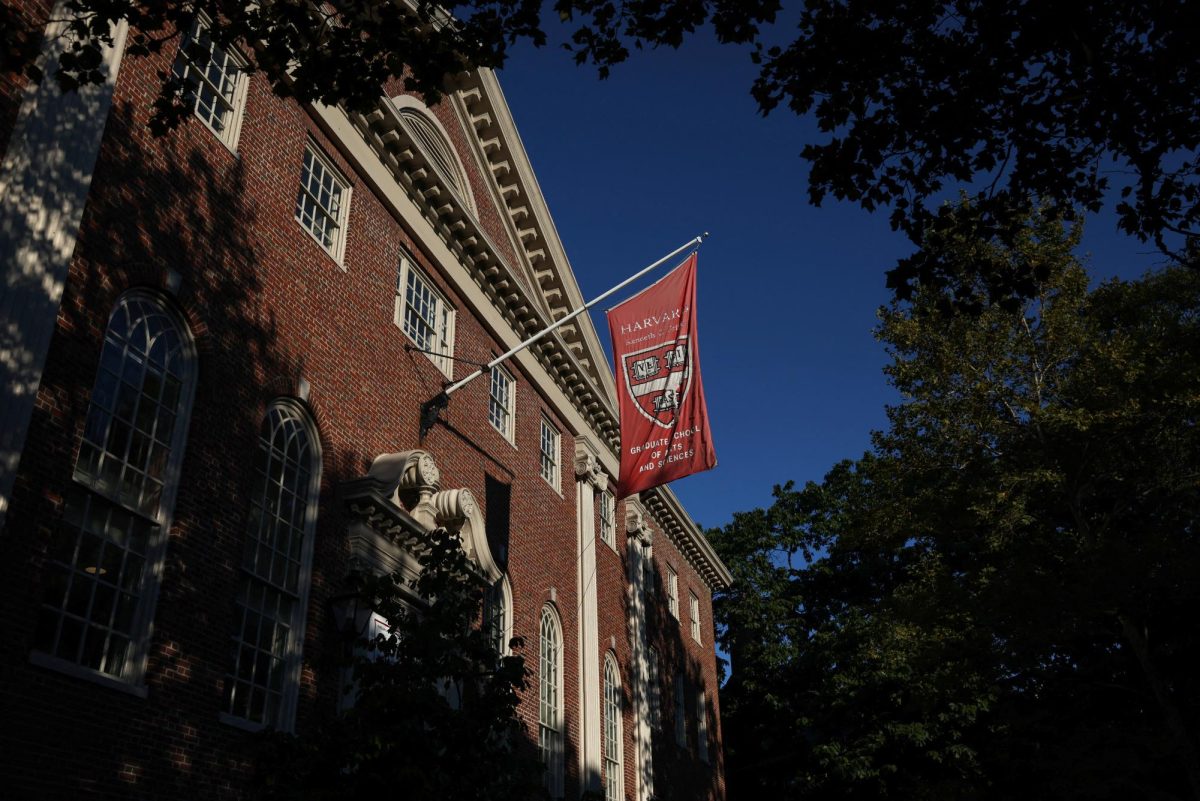
Harvard University is at the center of a growing conflict with the federal government over research funding, sparking major concerns about the balance between government oversight in education and academic freedom. The dispute, which involves billions of dollars in federal grants, highlights the critical role that public funding plays in higher education and the potential consequences of when it is used as leverage in policy disagreements.
The conflict began earlier in 2025, when the federal government questioned Harvard’s internal policies, including campus governance and student programs. In response, officials moved to freeze and revoke billions of dollars in research funding, a decision that threatened the school’s autonomy. The university argued that the defunding jeopardized not only its own research initiatives but also broader scientific and educational projects that rely on these federal grants.
A US district court in Boston initially sided with Harvard, ruling that the government had overstepped by tying research funding to internal university decisions. The court emphasized that such actions could undermine academic freedom, a principle that allows universities to pursue knowledge without political interference. In response, the federal government has filed an appeal, extending the legal battle and keeping the future of Harvard’s research funding uncertain.
The stakes go beyond Harvard’s campus. Universities across the country depend on federal research grants to fund faculty salaries, graduate student programs, lab equipment, and long-term studies. Disruptions to this funding can delay scientific discoveries, limit educational opportunities and freedom for students, and create ripple effects in fields ranging from medicine to technology. This case demonstrates how federal funding policies impact the resources and independence of educational institutions nationwide.
The dispute raises important questions about the role of government in higher education. While federal oversight is necessary to ensure compliance with civil rights and ethical standards, I would argue that conditioning funding on internal policies risks compromising the independence of universities and the overall quality of research. The outcomes of this case may influence how colleges and universities navigate federal compliance, manage research priorities, and maintain institutional autonomy in the years to come.
Beyond the legal and financial implications, the conflict also shows a broader issue in education: the tensions between public accountability and institutional freedom. Universities serve not only as centers of learning and research but also as training grounds for future professionals, leaders, and innovators. Any interference that limits the students’ ability to operate independently could have long-term effects on the education system, the workforce, and scientific progress.
As the case progresses through the appellate courts, educators, policymakers, and students watch closely. The dispute between Harvard and the federal government serves as a reminder of the delicate balance between oversight and finding your own path in education, and the crucial role that stable funding plays in maintaining the health of the nation’s universities.