
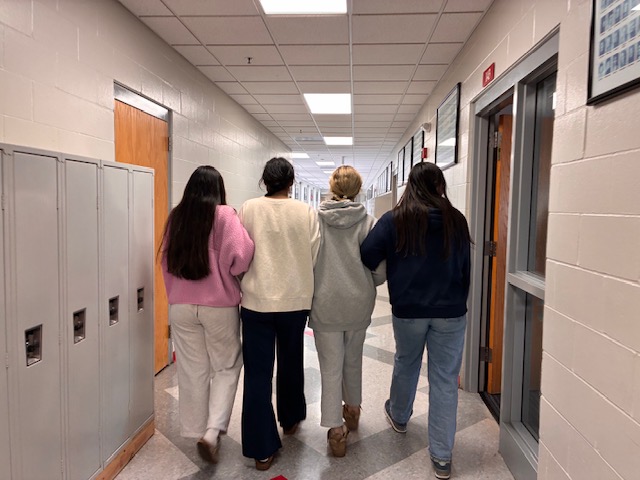





























In the brain, a learning disability is when information is taken in in an atypical manner, which hampers a student’s ability to learn in a traditional school environment. Approximately 1.3 billion people worldwide struggle with a learning disability, which is around 16% of the population. Benilde-St. Margaret’s accommodates students with learning disabilities in a variety of ways, including providing extended test time, personal reading devices, and copies of lecture notes. Despite its extensive efforts to support students who struggle, as a private college-preparatory school, BSM does not have the same requirements and resources for learning support as public schools. This can create conflicts, but the learning specialist team at BSM works every day to make sure that each student graduates with the structure necessary to excel at the collegiate level.
At BSM, students with learning disabilities often apply with a support plan from their previous school. If not, their parents or guardians will request accommodations. Once a student has been identified, their family meets with Kristin Gilbertson, BSM’s director of learning support. Together, Gilbertson and the student’s family examine the student’s needs and specific accommodations that would benefit them. Gilbertson always makes it clear to parents what BSM can and cannot offer to students. Students can have a test or book read to them, but they must take the same test and read the same book as everyone else. Students can work with a reading specialist to help them with notes, but they cannot use AI to generate a chapter summary. “The philosophy is accommodation, not modification,” Gilbertson said.
An important distinction regarding BSM’s accommodation plans is that IEPs are not offered; there are only 504 plans. While 504 plans only provide accommodations, IEPs, or Individualized Education Programs, are legally binding documents that outline a child’s needs. Public schools are required to provide IEPs and assess all children suspected of having a learning disability. They include specific learning goals, speech therapy, behavioral support, or placement in a special education setting. As a private school, BSM does not offer IEPs as they require a large amount of funding and resources. “Students need to be able to do work independently on grade-level college prep curriculum,” Gilbertson said.
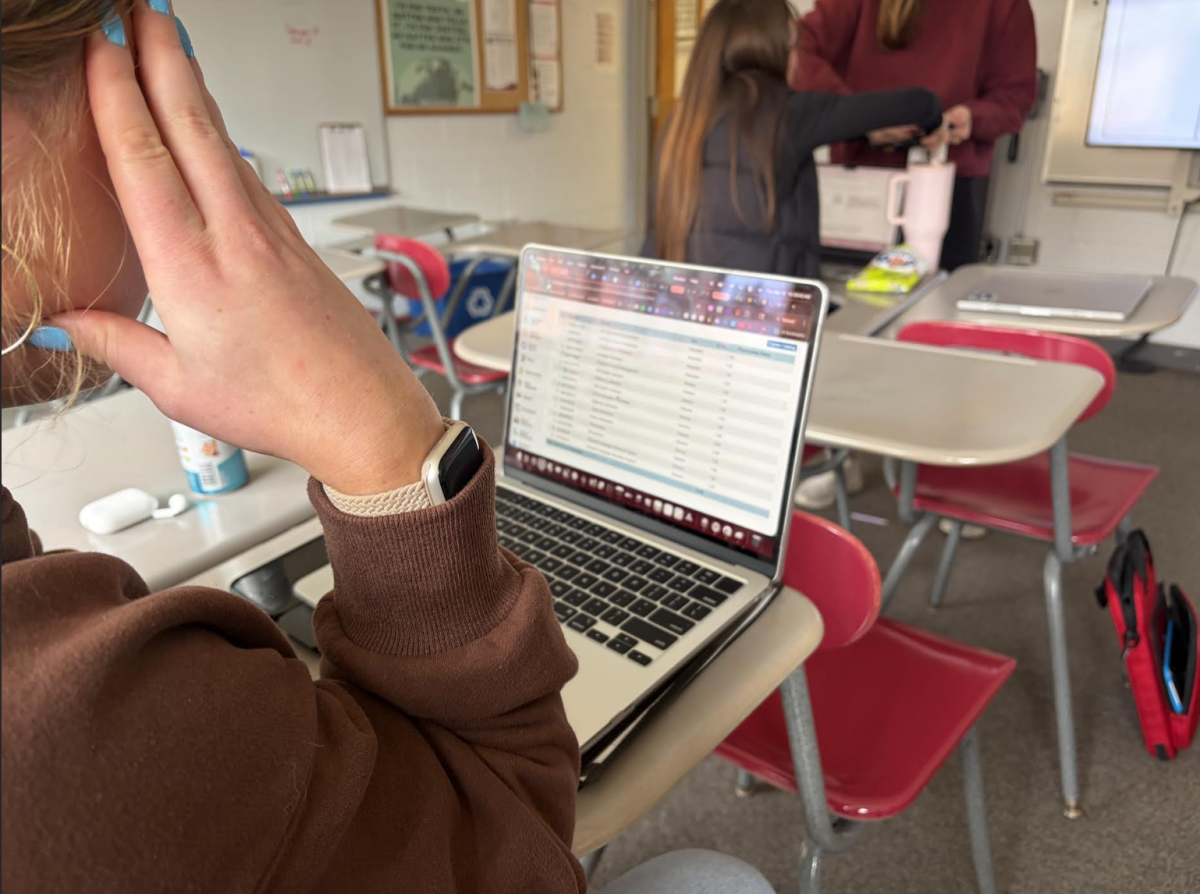
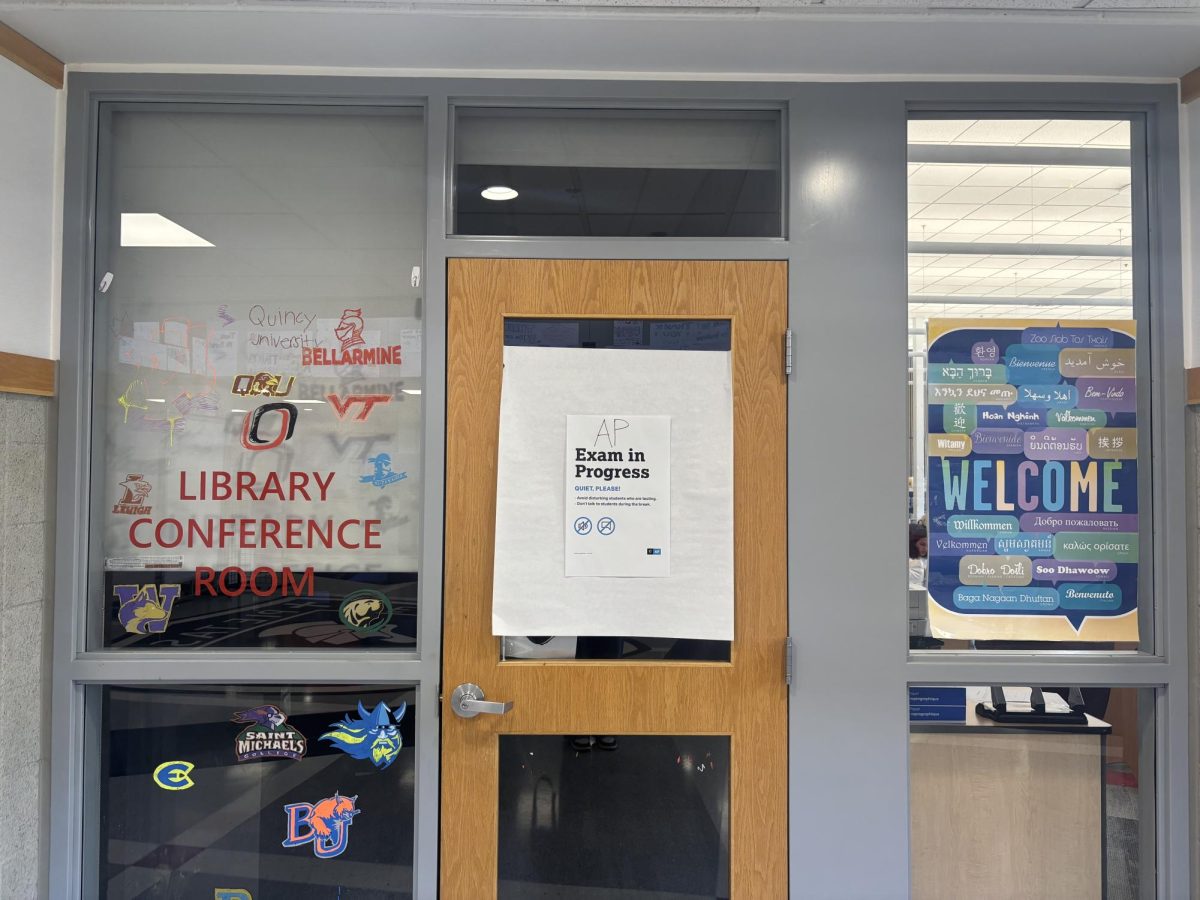
Many students with ADHD find that access to extended time on tests helps them focus and finish their assessments. Despite these visible effects, some experts believe that extended time on tests is actually less helpful for students with ADHD because they struggle to pay attention for long periods of time. A study done by Gregory Fabiano, a professor of psychology at Florida International University, found that students with ADHD struggled to perform when they had longer to take a test. Students with standard time completed more questions correctly per minute compared to students who had extended time. Despite this, BSM students can tell that there is a difference when they have extended time. “When I have to do things under pressure, I do a lot worse than I would if I had a lot of time to do it. That extra time doesn’t change my knowledge of anything; [it] just makes me feel more comfortable,” junior Grant Lockman said.
Some students with accommodations wish that there were more resources available for them. Junior Belén Ruisenor has ADHD and dyslexia and receives extended time on tests, can get tests read to her, can have a note card on math and science tests, and can receive preferential seating from teachers. Despite believing that extended time helps her finish and comprehend tests, Ruisenor thinks that more one-on-one time with learning specialists would be beneficial. Ruisenor also has a unique perspective as a transfer student from Visitation School. According to Ruisenor, Visitation was much smaller, and there was a lot of individualized help with the learning specialist. “Here, you have to schedule the time, make sure the teachers know, and send the test [to another room]. It’s not always a guarantee that you can get it read to you, because there are a lot of people who have it read to them,” Ruisenor said.
BSM’s accommodations for students with learning disabilities sometimes lead to a disadvantage for students who struggle in school but do not have a formal diagnosis of a learning disability. Yelena High is a junior at Minnetonka High School who attended BSM from 7th grade through 10th grade. High deeply struggled with math her entire life and, despite trying her hardest, ended with a D in math class every year. “My parents thought something [had] to be wrong, and my teachers never said anything,” High said.
Taking matters into their own hands, High’s parents got her tested for dyscalculia, which is similar to dyslexia but involves numbers rather than reading. When the results came back, High discovered that she was borderline dyscalculic and couldn’t get a formal diagnosis. Because of this, BSM was unable to accommodate High, and she was ending the year failing her math class. High’s parents decided that it would be best if she moved to a public school where there are more requirements for special education. “I think if it were more accessible to people with learning disabilities, there would be a lot more people coming to BSM because I know that public schools have a state-required law that they have to help everyone,” High said.
The learning support team at BSM accommodates students with learning disabilities as best they can. Many students believe that their accommodations help them navigate tests and understand their learning, despite studies that suggest otherwise. BSM’s accommodation plans do not cater to every student; this is due to a lack of resources in private education. Students and teachers alike work with what they have to improve the educational experience of everyone involved. “A lot of people with learning disabilities think that [they are] just dumb or something. It’s just because they’re not neurotypical,” High said.