























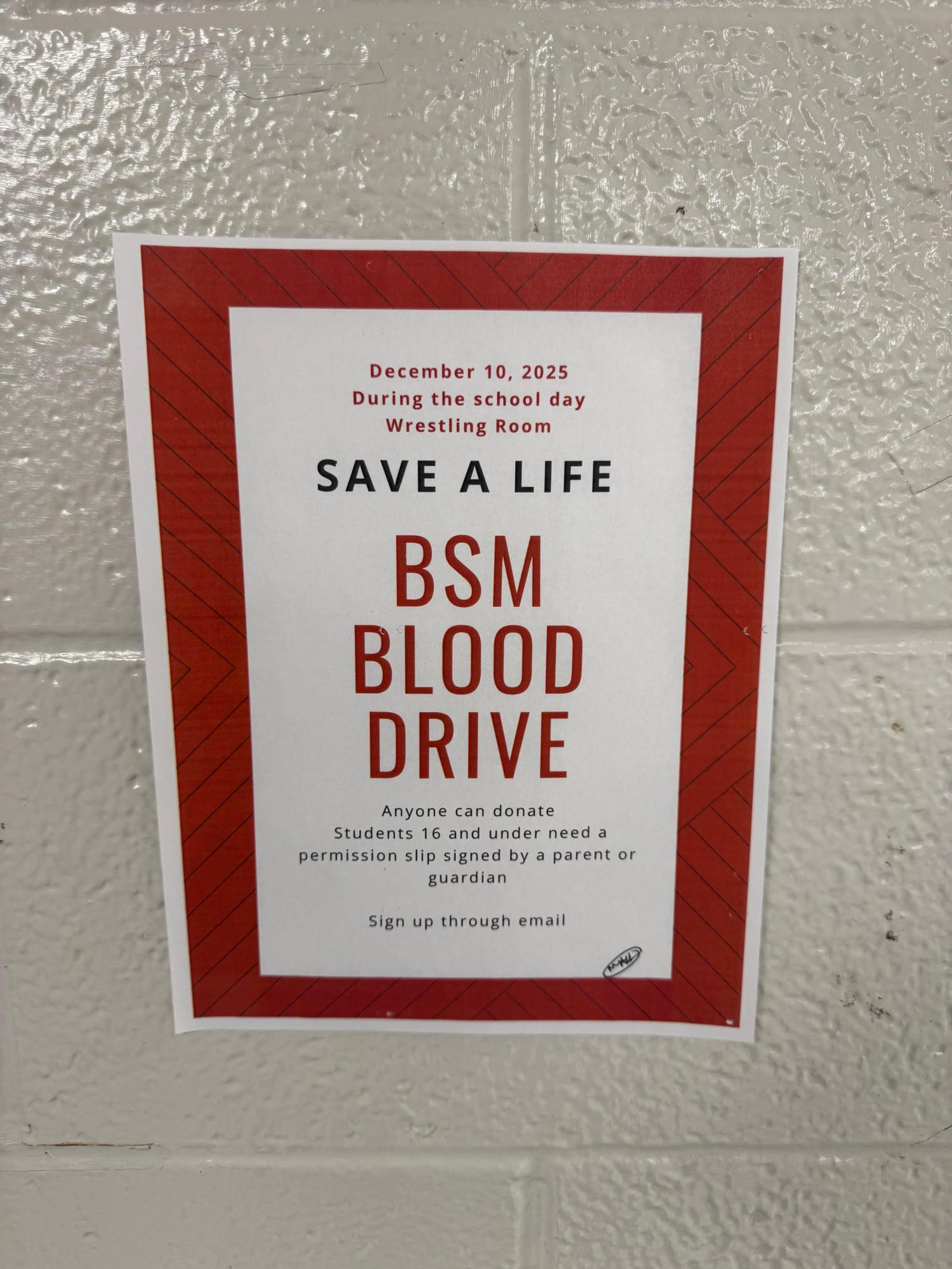
This December, Benilde-St. Margaret’s held its annual first-semester blood drive. The drive was hosted by BSM’s National Honor Society (NHS). All students were encouraged to donate blood to the Memorial Blood Center to save the lives of those in need. Students 16 and older were allowed to donate at their own risk, while students under the age of 16 were required to obtain a permission slip signed by their guardian. This year, BSM collected a total of 39 units of blood from a total of 39 participants, including students, faculty, and parents; 26 of whom were BSM students. This amount of blood has the potential to impact the lives of 117 hospitalized patients.
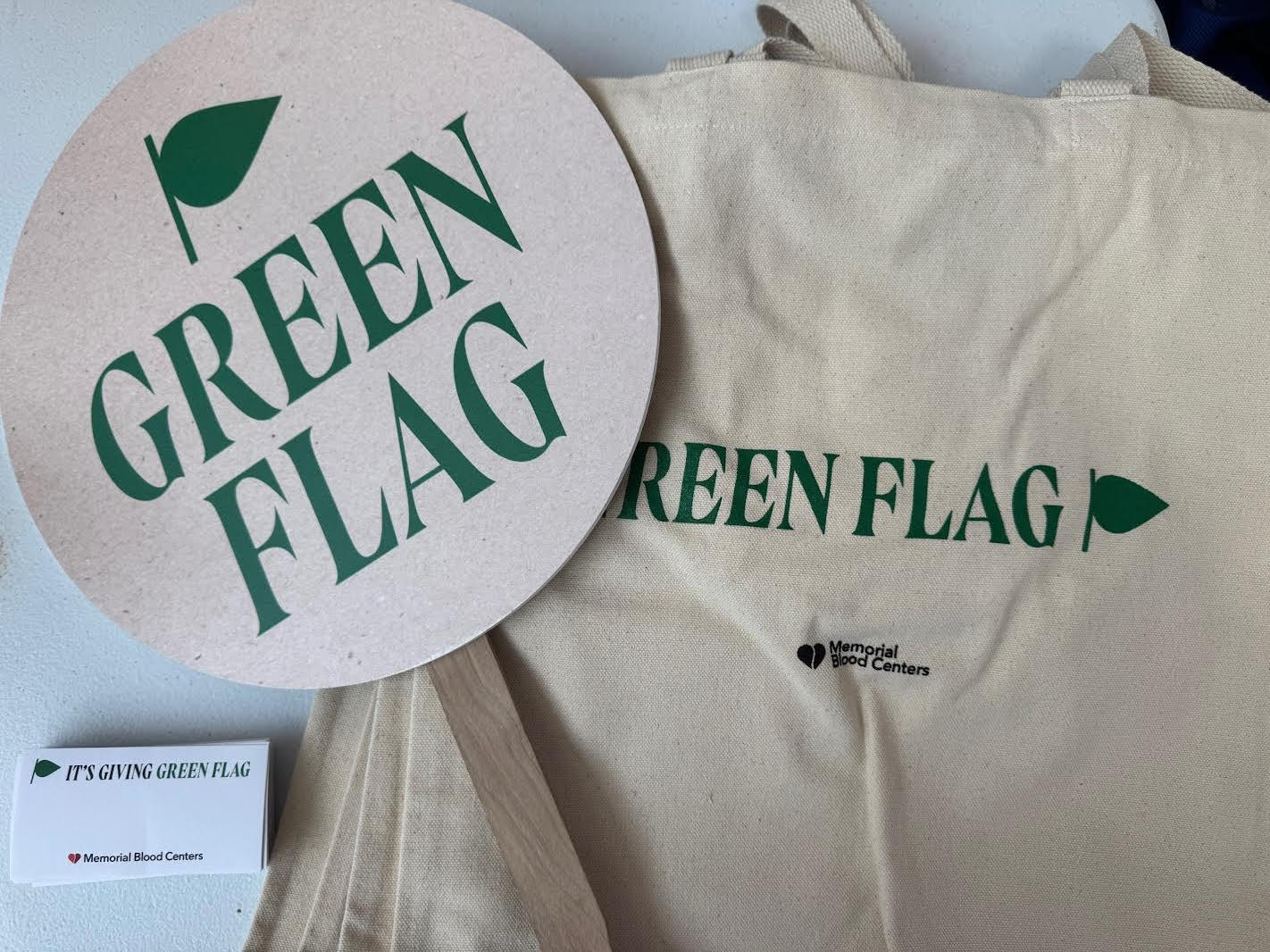
Each year, the blood drive carries a common theme. This keeps the spirits high while encouraging people to donate to the cause. Last year, the blood drive was video game themed. But this year, the theme was green and red flags. The trend “green flag” refers to a good quality in someone, meaning that you’ve received a “green flag” for donating. And a “red flag” is a bad quality, meaning that you get a “red flag” if you do not donate. After donating, each participant received a “green flag” tote bag as a thank you for their participation.
Senior student Anna Kelm decided to donate blood this semester. This was her third time donating blood, so she knew what to expect as she walked into the wrestling room that day. She believes that donating to a good cause is well worth the risk. “I decided to give blood because it can save a life. And honestly, although it has its consequences of temporarily feeling bad, the outcome is more positive,” Kelm said.
In order to plan the drive, NHS students volunteered to be a part of the blood drive committee. The committee was in charge of advertising the blood drive and encouraging students to participate. Senior NHS president, Patrick McDonald, helped to organize the committee and discussed the role they played. “We get around 10 people who volunteer [to join the committee]. They go to lunch to advertise the blood drive, and they get people to sign up. We put up posters around the school and sent out some emails, then people signed up,” McDonald said.
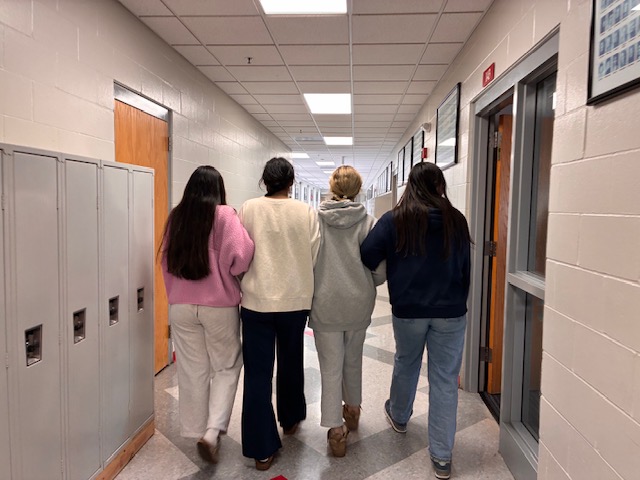
The blood drive committee also assisted students while they gave blood. They sat down with them as they recovered and made sure they were able to safely walk back to class afterwards. “Some of them would go and help people while they’re actually donating blood. So they’d go sit down with people, and walk them back to class and stuff. Other than that, that’s pretty much what the committee did,” McDonald said.
Donating blood is not for everyone. After donating blood, some students felt lightheaded and unwell. Despite the risk, Kelm will continue to donate blood in the future. “I think I will continue to donate blood just because it’s helping someone else,” Kelm said.