


























Many teenagers graduate knowing how to write an essay or solve equations, but have no idea how to pay bills, manage money, or apply for a job. In real life, people need skills like budgeting, communication, and time management, not just textbook knowledge.
Without learning these things in school, many students never know them and are often left unprepared for adulthood. Teaching real-world topics would help bridge the gap between school lessons and real-life responsibilities.
Adding real-world topics to the school curriculum would also make learning more meaningful and engaging for students. When teens see how lessons connect to their future lives and where they are going beyond high school, it is beneficial and makes them hopeful.
Math and science teachers may not have the easiest time educating their students about what’s going on in the world. Still, they can incorporate topics such as how to do math when paying bills and writing checks. Most students take a health and biology class in high school, which can be incorporated into daily life, helping them learn to live a healthy lifestyle with a balanced diet and sleep patterns. Beyond academics, school teaches important life skills that students can use immediately. Critical thinking helps them make smart choices every day, such as deciding which online information is trustworthy. Problem-solving helps them handle challenges at home, at school, and with friends. These skills give students the tools to handle real-life situations while still in high school and build their independence.
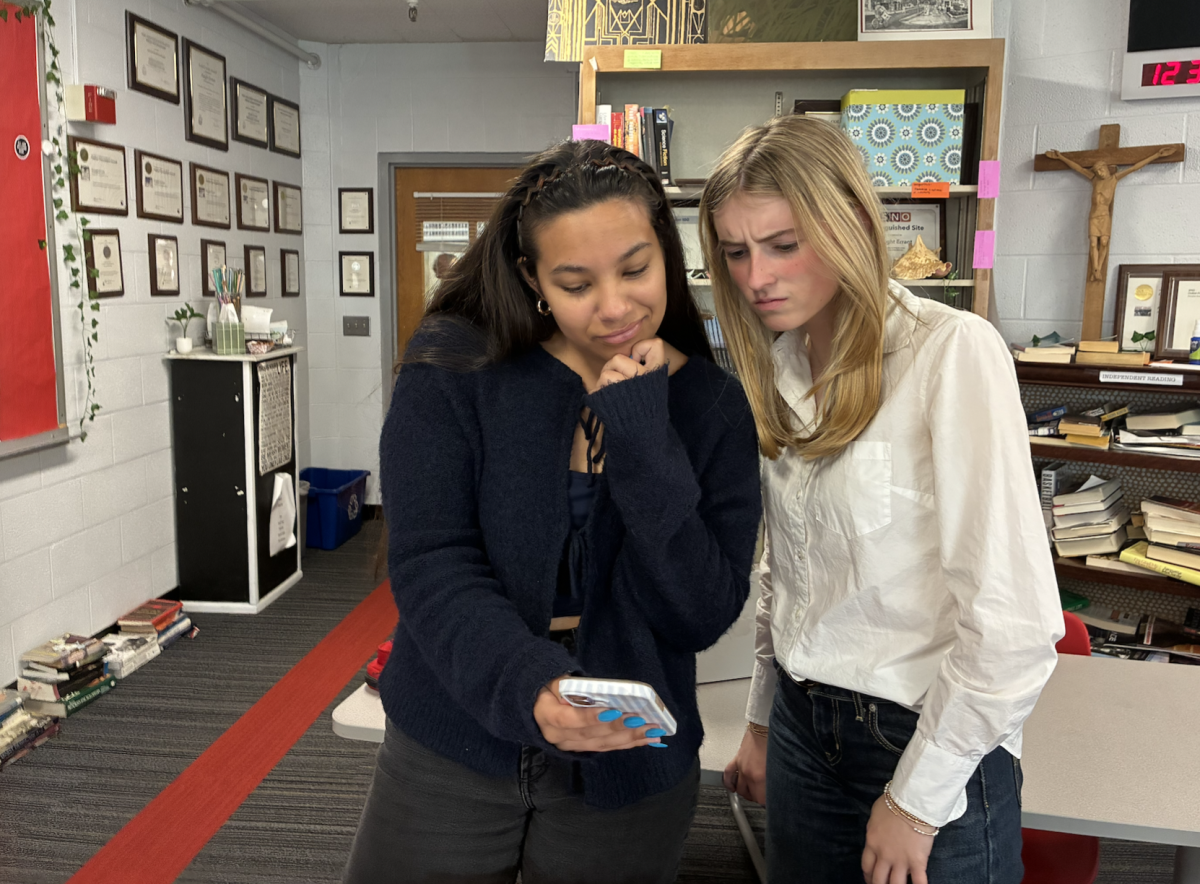
In addition to basic skills that the school already teaches, certain topics could be added to provide students with more support and information after high school. Classes, such as history and English, could incorporate current events into their lesson plans. “In school, we don’t really learn about real-world stuff, like how to file taxes or manage money, and we also don’t learn much about important things happening around the world. I think it would be really helpful for juniors and seniors who are going off to college to know these real-world topics,” junior Eva Castellon Williams said.
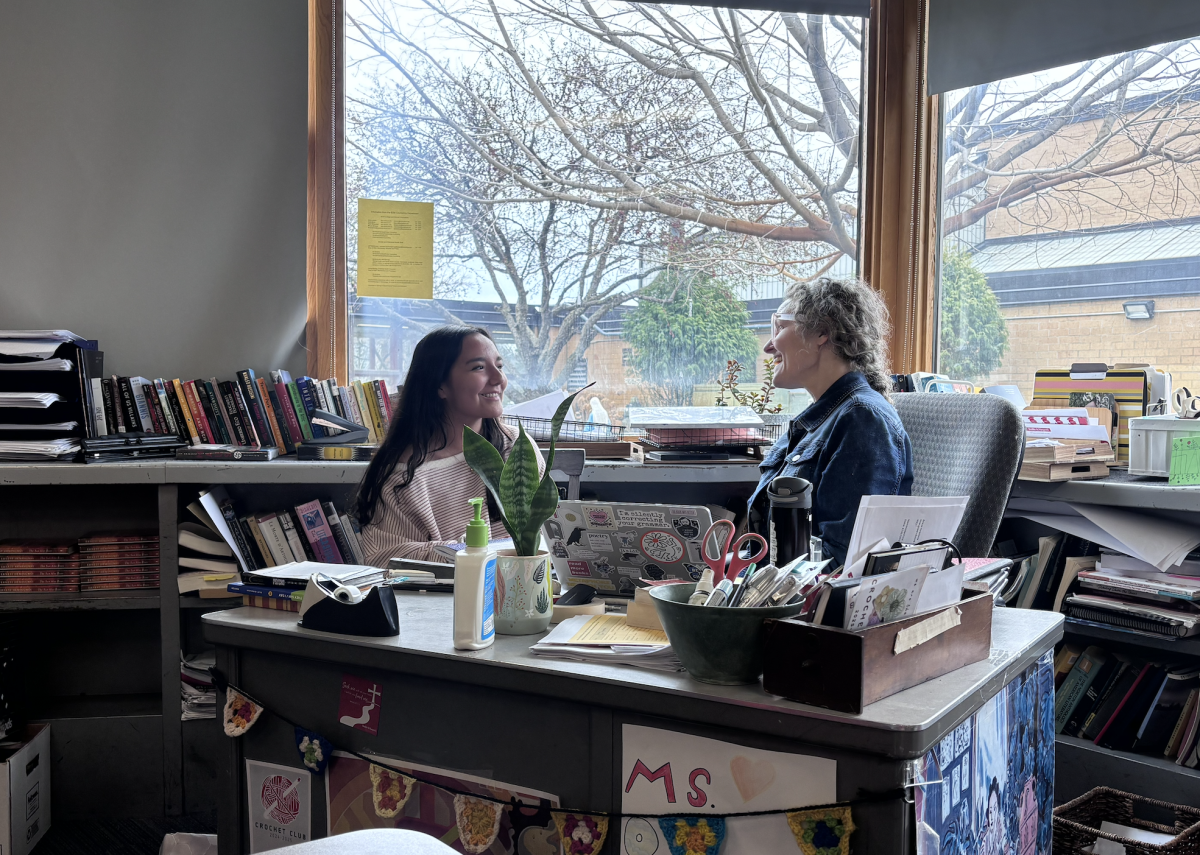
Most high school students have a hectic schedule and many things constantly on their minds. Teachers say that, as the years have gone on, they have noticed that many students are not socially aware of events in different parts of the world or of other things that don’t directly affect them. “I remember we watched a video just this year about the war zone in Gaza, and the number of kids who said they’ve never even heard about this conflict, or had no idea that was going on, is a little striking to me,” theology teacher Nathan Schlepp said.
The curriculum of most schools only prepares students for adulthood by teaching discipline in getting homework done and studying, as well as socially, through making friends and building relationships and respect with adults. There can be a point of emphasis on things like taxes, job applications, interviews, and other things that need to be known how to do well in order to be successful after high school.
Schools argue that the lessons students learn in school can be applied to their lives, including the skills of studying, creating a strong work ethic, and responsibility, all of which are things that students must learn how to have and be successful at. Adding topics like social skills, interview etiquette, and problem-solving could be more helpful for students after high school. People knowing how to handle their stress, be in healthy relationships, and be mentally tough enough are things society is lacking.
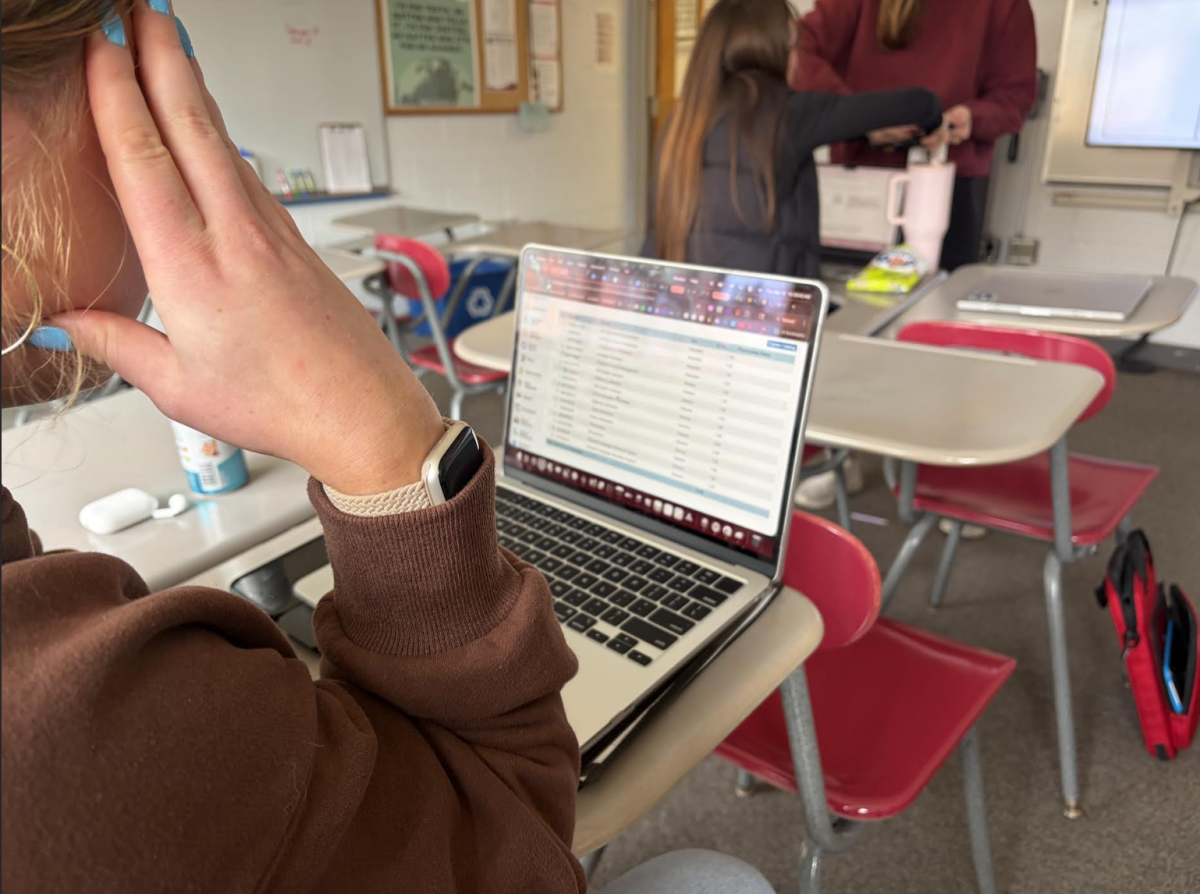
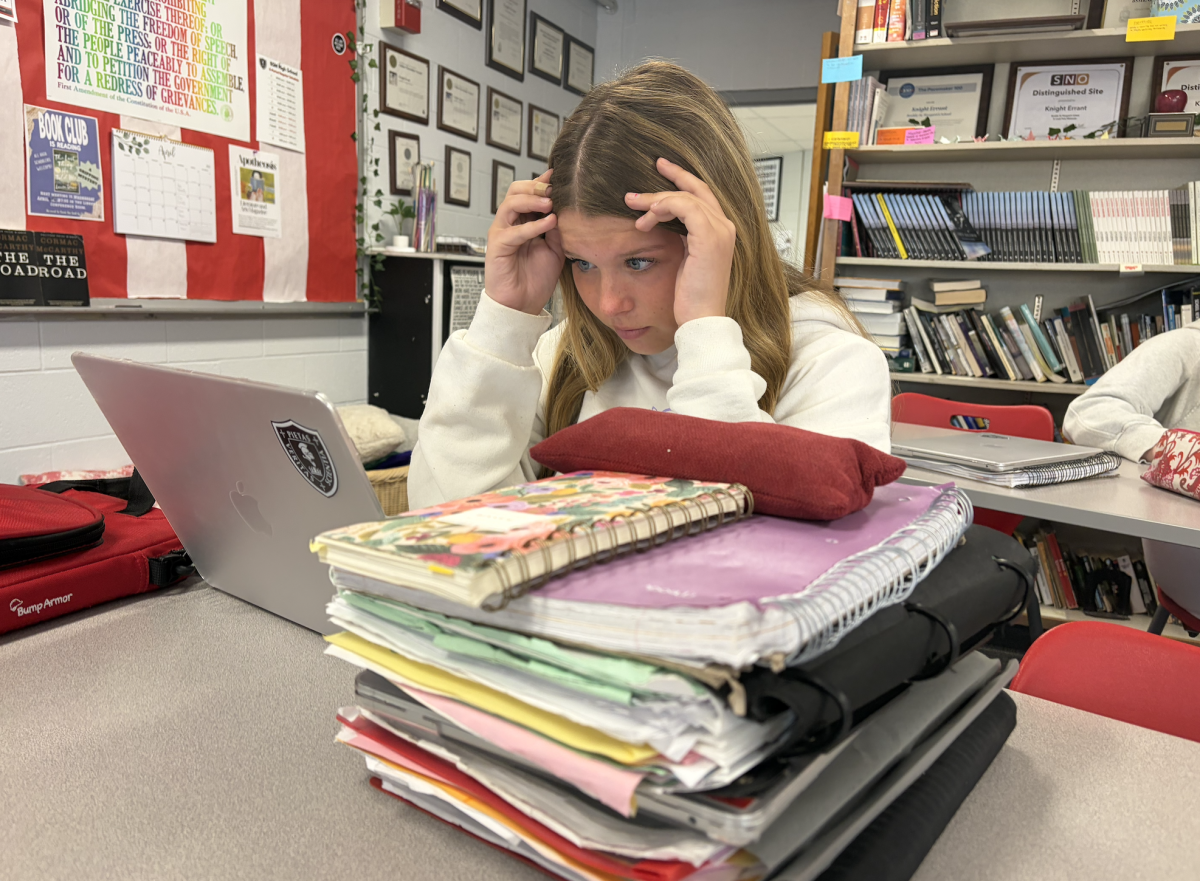
Time management is another big thing that students struggle with. Students are given calendars, deadlines, and schedules, but when are they really taught how to manage their time in a way that works best for them? Most students will have homework and assignments in eight classes, along with extracurriculars and their social and personal responsibilities. Students have very little free time as it is, but then adding on homework for all classes and doing things to be a kid and things they enjoy can be very difficult.
Overall, schools need to go beyond traditional academics and teach real-world skills that students will use after graduation. Adding lessons on money management, communication, time management, and basic life responsibilities will leave students feeling more prepared and confident when entering adulthood.