




































Christmas should be a time of happiness, giving, and family. However, in 2025, it is a costly holiday. Consequently, Christmas is losing its foundation. The holiday has become dominated by materialism, and the cost of festivities has gone up dramatically. Many homes question whether the treasured traditions are still doable.
The total amount that the National Retail Federation estimated for American Christmas expenditures is about $950 billion. This figure shows both the enthusiasm Americans have for Christmas and the increasing costs. According to Visa Business and Economic Insights, the average household in the U.S. is likely to spend $736 on gifts this year, which is 10 percent more than last year. According to the PwC Holiday Outlook 2025, many are rescheduling other parties and events just to have enough money for gifts. The situation here is not the spirit of giving characters from Christmas tales, but rather the strain of obligatory expectations.
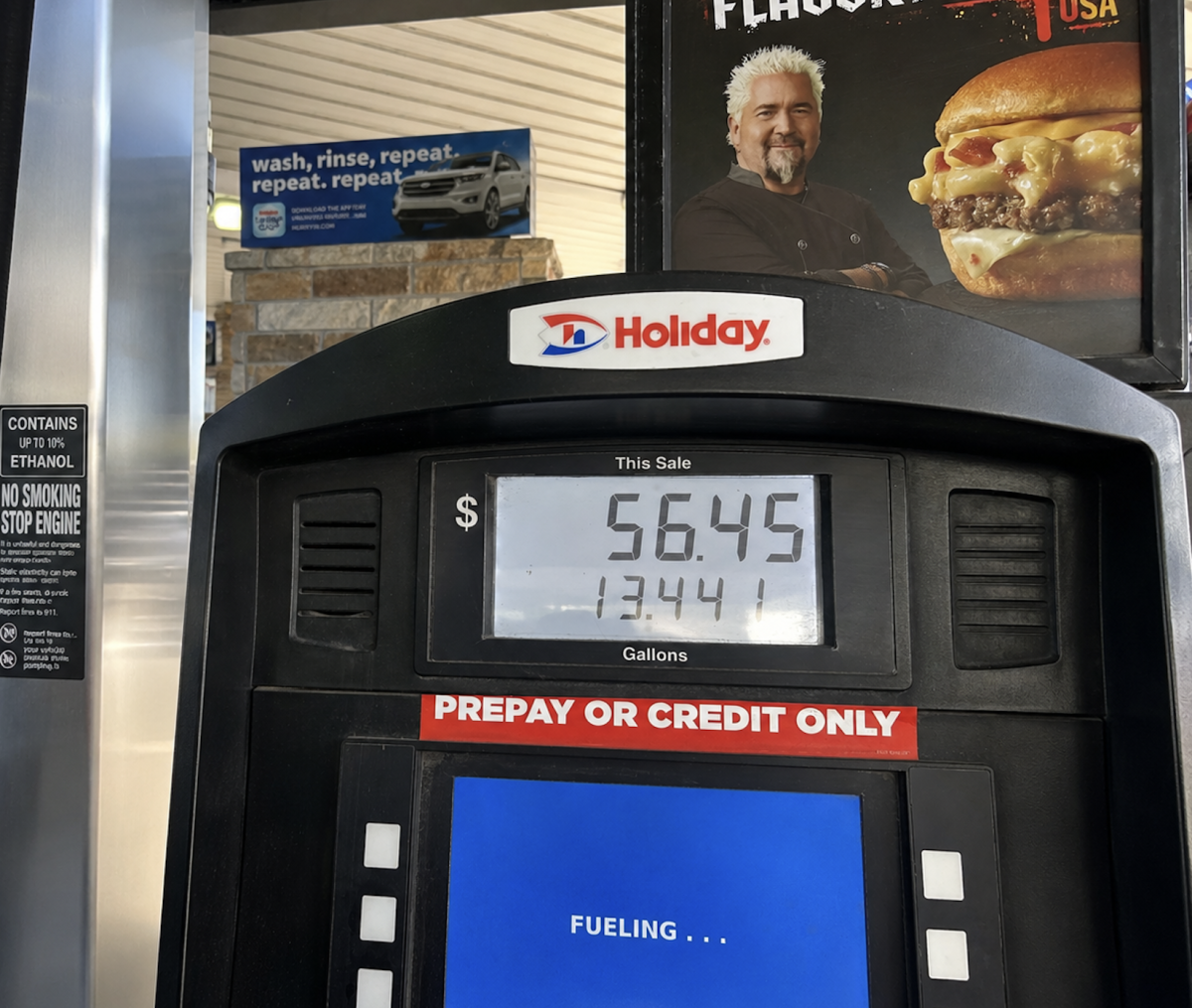
Moreover, traveling to Christmas destinations has become a dream of the few. The cost of a plane ticket has increased by almost 15 percent compared to the time before the pandemic, according to the U.S. Bureau of Transportation Statistics. At the same time, the price of gas remains high, making visits to relatives expensive. The time that was meant for seeing loved ones has now become a financial burden.
Even the essentials for Christmas are getting pricier. According to The National Christmas Tree Association, fresh-cut trees have, due to supply chain problems and climate change, gotten more expensive. Additionally, the average price of artificial trees is now over $100. Many are spending more money on the activity than the experience is worth.
The problem is not only economic but also social and cultural. Social media creates a culture that incentivizes people to give more and more and puts pressure on people to do so. The number of gifts to be placed under the tree becomes a competition among families. They do it not because they can afford it, but rather because they want to protect their kids from being disappointed by a lack of presents. The act of giving during Christmas has largely lost its meaning and become more focused on the price of the gift instead.
There might be a different scenario of events. The number of people who support toy drives or community dinners is on the rise. The only thing these movements do is prove that the spirit of Christmas still exists. Christmas should not be about the amount of money spent; rather, the meaning behind what you are giving.
If the cost continues to increase, Christmas will be devoid of the qualities it is supposed to have. The very festive season, which is supposed to bring joy, is becoming more and more costly. We must stop this trend and return to those customs that remind us of the true Christmas spirit. It is not with the ones in the shop we love; it is with the people we love.