












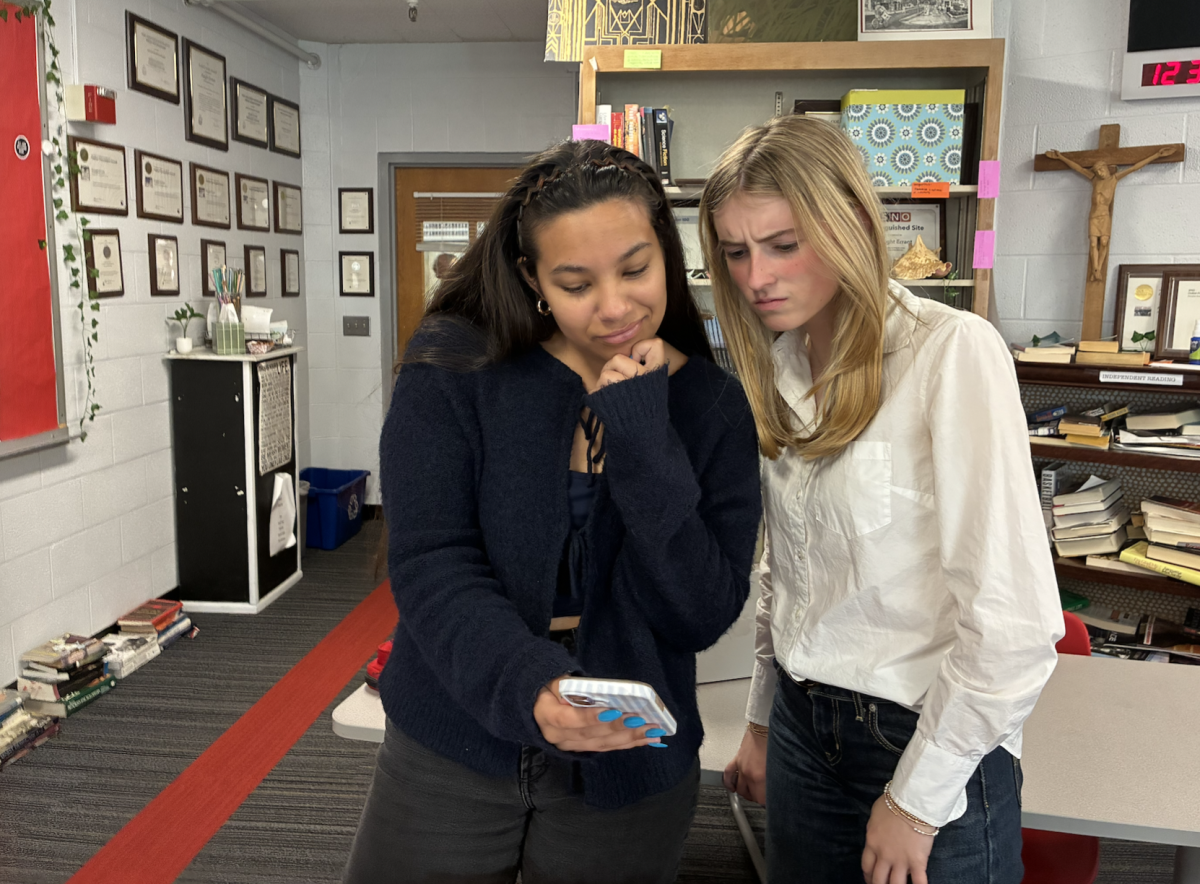
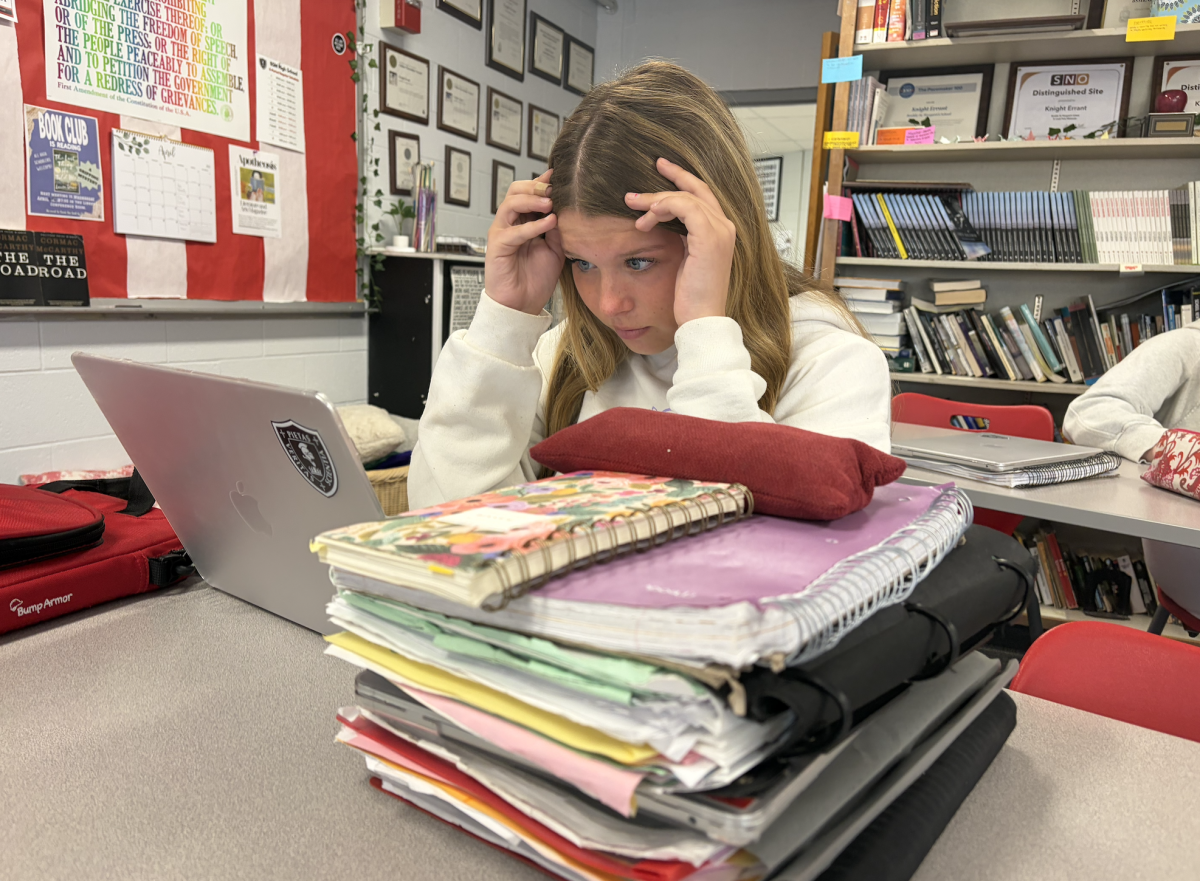



















With quarter one coming to an end, missing assignments, unfinished tests, and corrections are all being crammed in. In the middle of all this academic chaos, one factor that often goes unnoticed is the role of screen time.
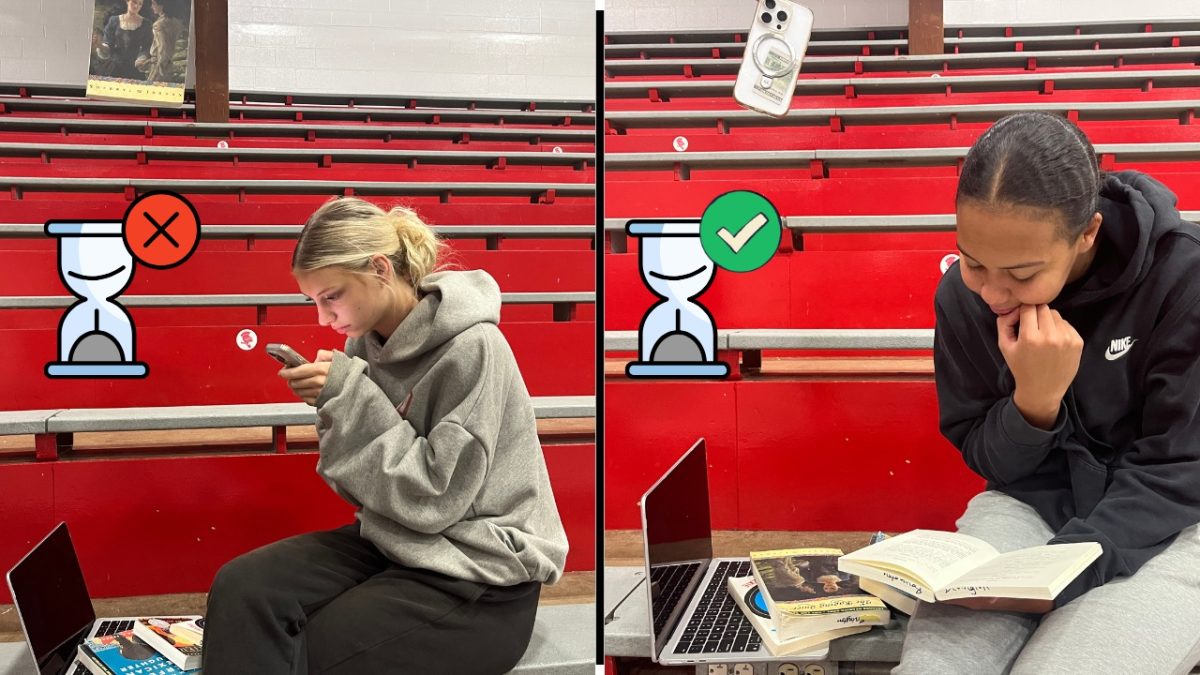
In a world where students rely on technology for school tools, entertainment, and communication, it’s easy to lose track of time. With phones and laptops always within reach, distractions are only a tap away. What starts as a quick “study break” can quickly turn into an hour-long TikTok scroll or endless Instagram story swiping. That’s where screen time limits come in. Although some view them as annoying or restrictive, setting limits on certain apps can actually help students focus, manage stress, and accomplish more.
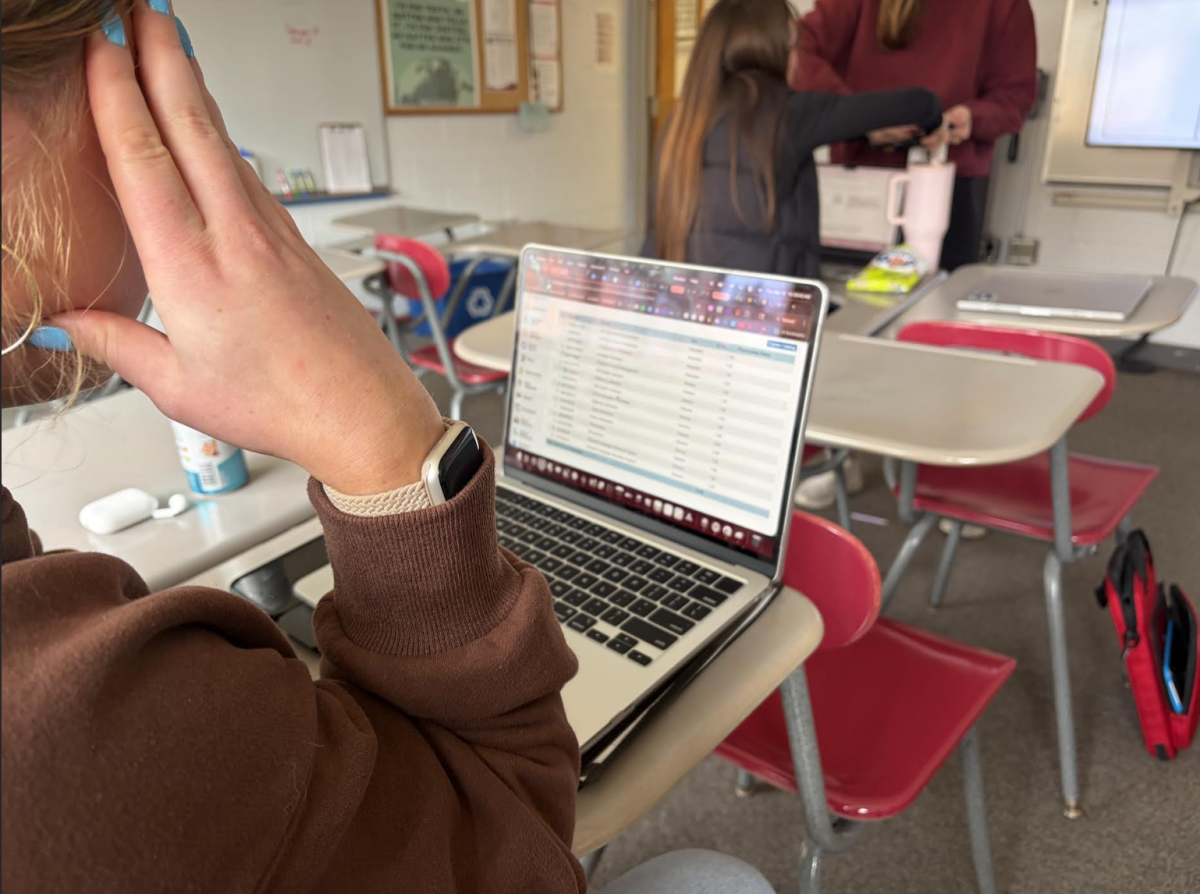
Many Benilde-St. Margaret’s students, including myself, rely on technology to stay organized, using PowerSchool, Schoology, and digital planners, but what tends to get in the way is social media apps. Social media has a pull on users to keep them scrolling. I often scroll without realizing how much time has passed. By setting app limits, students can create a natural boundary between productive screen use and distraction.
These limits don’t have to mean giving up phones completely. Instead, they serve as reminders to stay productive. A 30-minute or an hour daily cap on TikTok or Snapchat can prevent endless scrolling without cutting students off from their friends. While I don’t currently have screen time limits, I used to have them. Looking back, I actually found it easier to finish homework, maintain a better sleep schedule, and overall, I felt less overwhelmed by schoolwork.
Screen time limits can also help improve mental health. Constant notifications and pressure to stay online can lead to anxiety and burnout. While I think screen time limits are helpful, having a five to ten-minute break to scroll or text friends can also benefit students. Taking a short break from social media can give students space to reset and focus on truly important things, like school, sports, or family and friends.
In the end, screen time limits are not a form of punishment; they’re about balance. They can help BSM students take control of their time instead of letting social media and screens control them. In a world where technology dominates nearly every part of life, learning to set boundaries with technology might be one of the most valuable skills a student can have.