














Every October, the world starts to dim a little earlier. The days shorten, the air cools, and people lean into the fall season. Decorations go up, pumpkins appear on porches, and horror movies begin to dominate the screens everywhere. It’s no coincidence. Horror films don’t just accompany Halloween; they define it.
Horror is what shapes October for the Halloween vibe. The genre captures the tension that the season is built on: curiosity about the unknown and the uneasy thrill of fear. Watching a horror movie in October isn’t just entertainment; it’s participation. It’s a cultural cue that tells us Halloween has arrived.
What makes horror uniquely suited to this time of year is how it transforms fear into something we can play with. In real life, it’s always something to avoid. But in a dark theater or on the couch with friends, it becomes something safe but thrilling. Horror gives people permission to explore their fears from a distance, to feel danger without facing it. The heart rate spikes, adrenaline kicks in, and then it’s over. The relief is part of the appeal. Halloween thrives on that same emotional balance, scary, but not too scary.
Over time, horror films have built the visual and emotional language of the holiday itself. The slasher mask, the haunted house, the full moon, the creaking floorboard, all of it comes from cinema. Even people who don’t like horror movies still see it every October. The decorations we buy, the parties we throw or attend, all borrow from decades of horror imagery. In that sense, Halloween is a collaboration between Hollywood and tradition, each feeding the other.
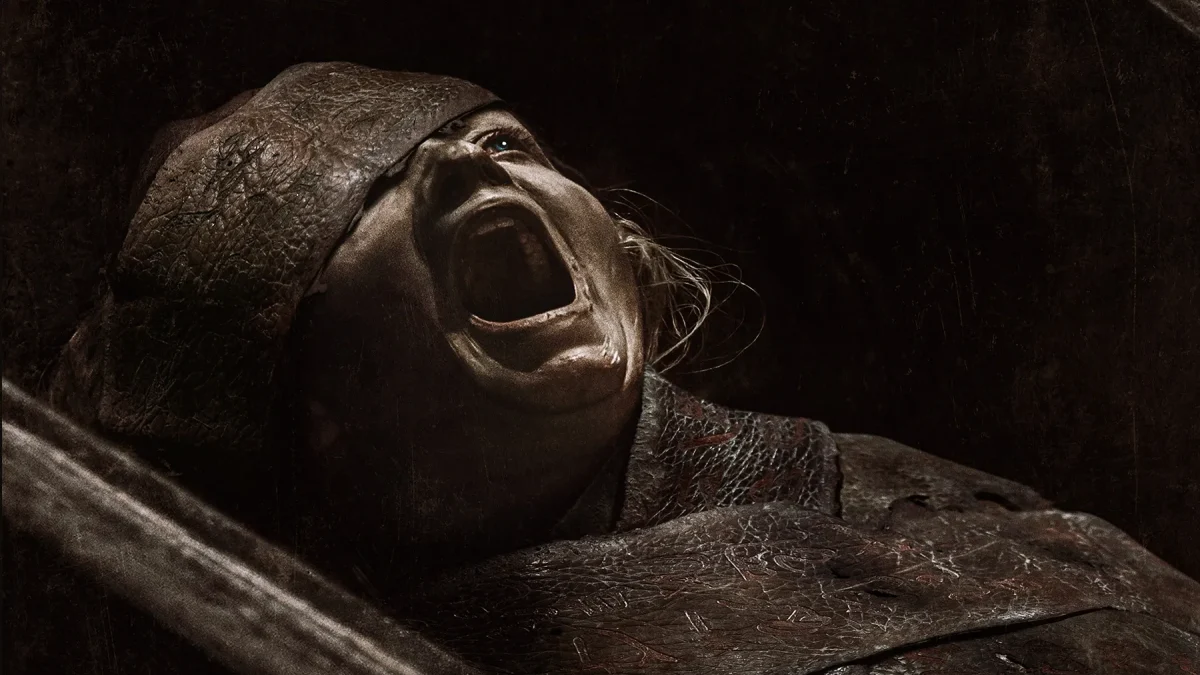
And obviously, horror has range. The classics like Psycho and The Shining create a psychological unease that feels timeless. The campy cult favorites, such as Scream and The Blair Witch Project, bring a different kind of thrill, self-aware and ironic, perfectly suited for group viewings. Then there’s the newer generation of horror, which is smarter, weirder, and often more personal. Films like Get Out, Hereditary, or Barbarian reflect modern fears like social, political, and domestic issues. They all still belong to the same Halloween lineage.
What’s consistent across every era is the way horror movies set a mood that no other genre can. They give October its texture. A romantic comedy or an action blockbuster might entertain, but they don’t linger the same way a good horror movie does. Horror leaves those echoes; you always remember the silence before the jumpscare. That’s the emotional residue of Halloween.
For all the fake blood and over-the-top SFX, horror has always been about something deeper. It reflects anxiety, generational fears, and shifting taboos. Halloween, in its own way, does the same thing. It’s the one night in the entire calendar year when you can mock death instead of fearing it, wear masks, and embrace what normally makes us uncomfortable. Horror movies make that mindset accessible and then turn it into art.
Without horror, Halloween would just be decorations and costumes. The films give it meaning, they fill the silence between the doorbell rings, set the backdrop for parties, and offer the thrill that candy can’t quite provide. Horror movies make Halloween feel alive, in a dark and necessary way.
So when the season rolls around and you’re finding yourself scrolling past a lineup of slashers, thrillers, and ghost stories, it’s worth remembering that’s not just programming. It’s a tradition. Watching a horror movie isn’t an optional Halloween activity; it is Halloween.