





































With today’s world immersed in the buzz of social media, Snapchat has quickly become a Gen-Z hotbed, with X just being a thing of the past. Released in 2011, Snapchat is now a top social media app for teens to snap selfies or post stories that disappear within just a few seconds. While the app’s fun filters, Streaks, and Snap Map use are exciting features, concerns have been raised about Snapchat’s impact on teens, specifically their mental well-being and safety. Snapchat, which has no restrictions on age or the content its users see, is a major problem, especially for the younger generation.
Snapchat isn’t just used for taking photos and sending pictures to friends; teens are now using the app to directly message strangers. How do they do that? The app’s original “quick add” feature, now called “find friends,” is the answer. “Find friends” is a list of people you can add just by the click of a button. This algorithm-based feature is sorted by friends, contacts, mutuals, and friends of friends, and is an ever-changing list. Reports of predators using this feature have been widespread, as Snapchat users can choose whether or not to show a photo of themselves when creating their profile. While this feature was intended to help build friendships, it ultimately backfired and became a significant danger to all users of the app.
Snap Plus, a new addition to the app, launched in 2022 and allows users to have exclusive benefits that non-Snap Plus users don’t have. For just $3.99 a month, most have upgraded. Harmless perks include: a custom app icon, chat wallpapers, custom themes, story rewatches, custom notification sounds, and many more. However, some features take stalking and obsession with the app to another level. Users can see who rewatches their stories, turn on notifications for a specific person without them knowing, and track locations more precisely. Snapchat used to be a carefree communication app, but it has now urged teens to become addicted to stalking and spying.
The Snap Map, one of the most popular features of the app, has also drawn attention to the safety of young users. Snap Map allows users to turn on their location for all their other friends on the app. Since having your location on for everyone is considered common, teens like myself don’t regularly check who can see their location.“Ghost mode” is an option for those who choose to use it; however, once again, most people choose not to. Snap Map results in stalking, catfishing, and numerous other problems that should not be occurring, especially with teens.
The “disappearing” message and photo feature on the app provides an edge, as users jump to the conclusion that their text or snap will then disappear within hours. This unsafe feature has not only caught the eyes of teens, but also child predators.
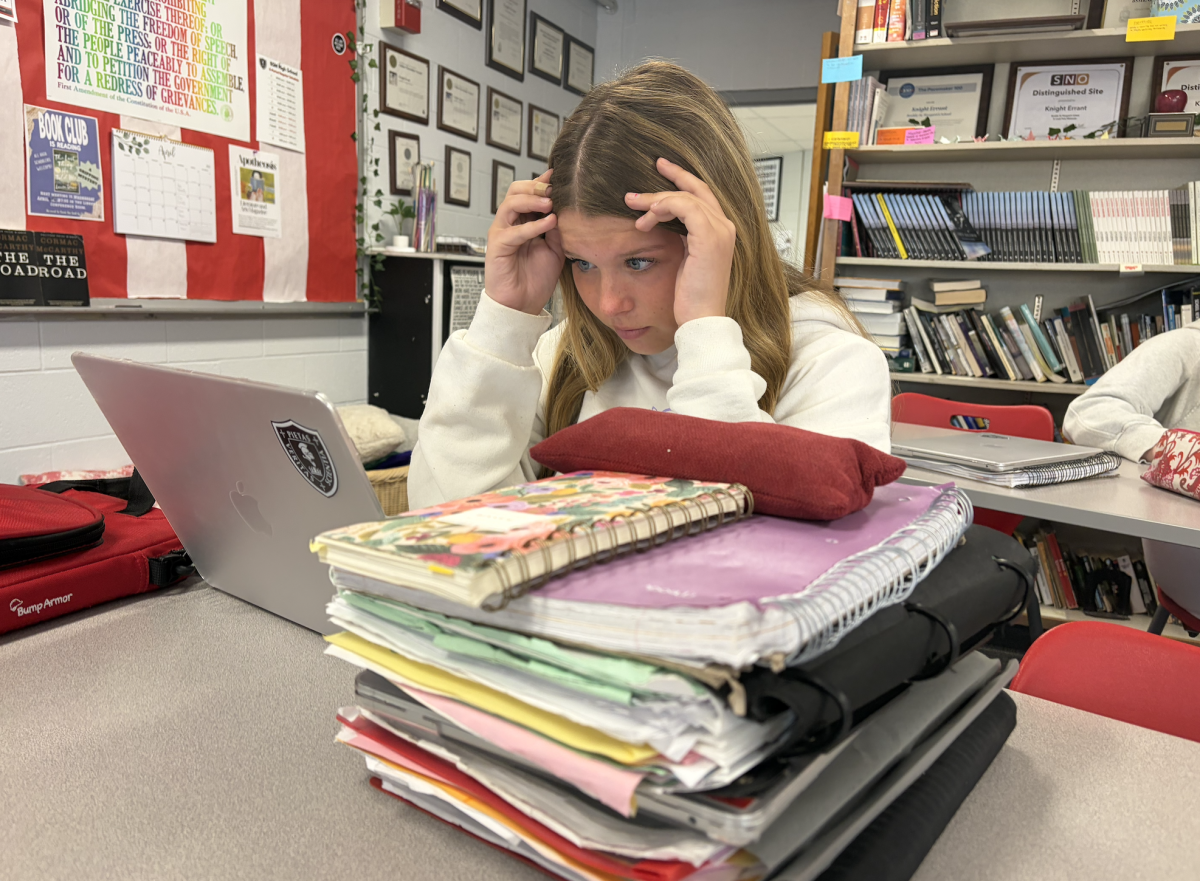
Misuse of Snapchat runs rampant in our society. Putting safety concerns aside, the ideal is to look a certain way, have a certain Snap Score; in reality, all this is doing is leaving lasting negative mental health effects on users. Anxiety, depression, and loneliness are caused by Snapchat’s poor approach to its goal, which is for people to “live in the moment.” Snapchat should be held accountable for the inadequate protection of some of its very young users.
While the safety concerns are a prominent danger of the app, mental health effects can be even more damaging. Snapchat filters can be used to alter beauty and looks. Maintaining “streaks” is a constant pressure put on teens to stay active on the app, and the constant connectivity factor of the app is unavoidable, leading to FOMO (fear of missing out) and compulsive notification checking.
Filters, one of Snapchat’s most notable attributes, were originally designed to be fun and engaging, but have now turned into a key cause of poor body image, self-esteem, and a forever-damaging force that teens deal with daily. Common filters often include unblemished skin and the distorting of physical appearance to make you look “more attractive.” Teens are constantly exposed to these filters, adapting to the normalcy of seeing these filters every day. Although these filters may seem harmless, they create beauty standards that aren’t possible for a person to attain.
All of these factors come at a cost, and many teens have unfortunately paid it. Snapchat has left teens trapped in a perpetual cycle of comparison, addiction, and obsession, ultimately producing a society harmed by the repercussions of the app’s effects on daily functioning and self-esteem. Although Snapchat’s messages may just disappear in seconds, the consequences they have on their users are everlasting.