












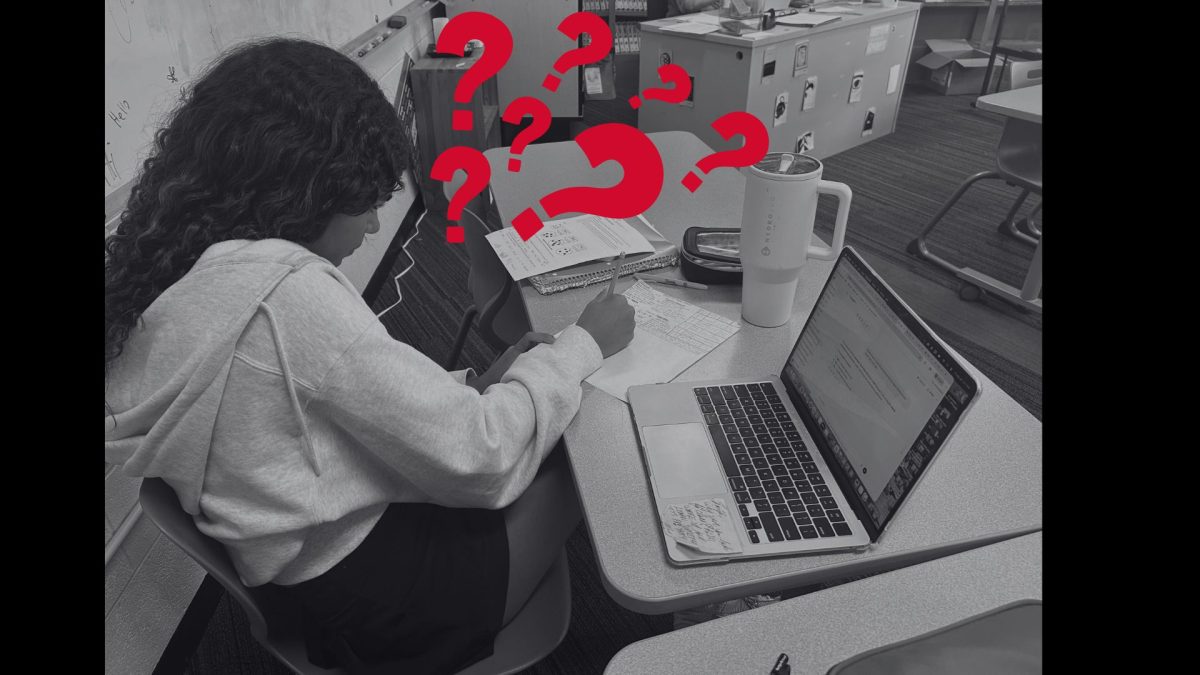



















“What is a phone book?” “What is a floppy disk?” “What is a microfiche?” Many kids growing up today have never heard of these materials, though they were once an essential part of everyday life. Technology use over the last century has increased exponentially.
It’s hard to imagine a world without the internet or social media, but our overreliance on electronic devices extends far beyond simple communication or entertainment. There has been a decline in the use of physical navigational instruments, media, and information; the lack of physical materials and media is just one consequence of the increase in technology in our world.
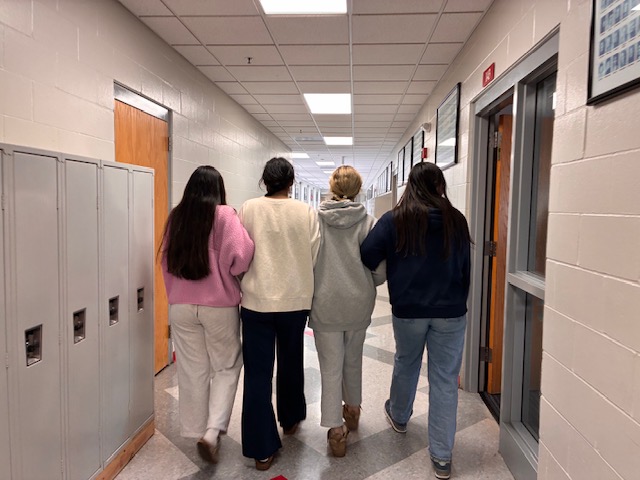
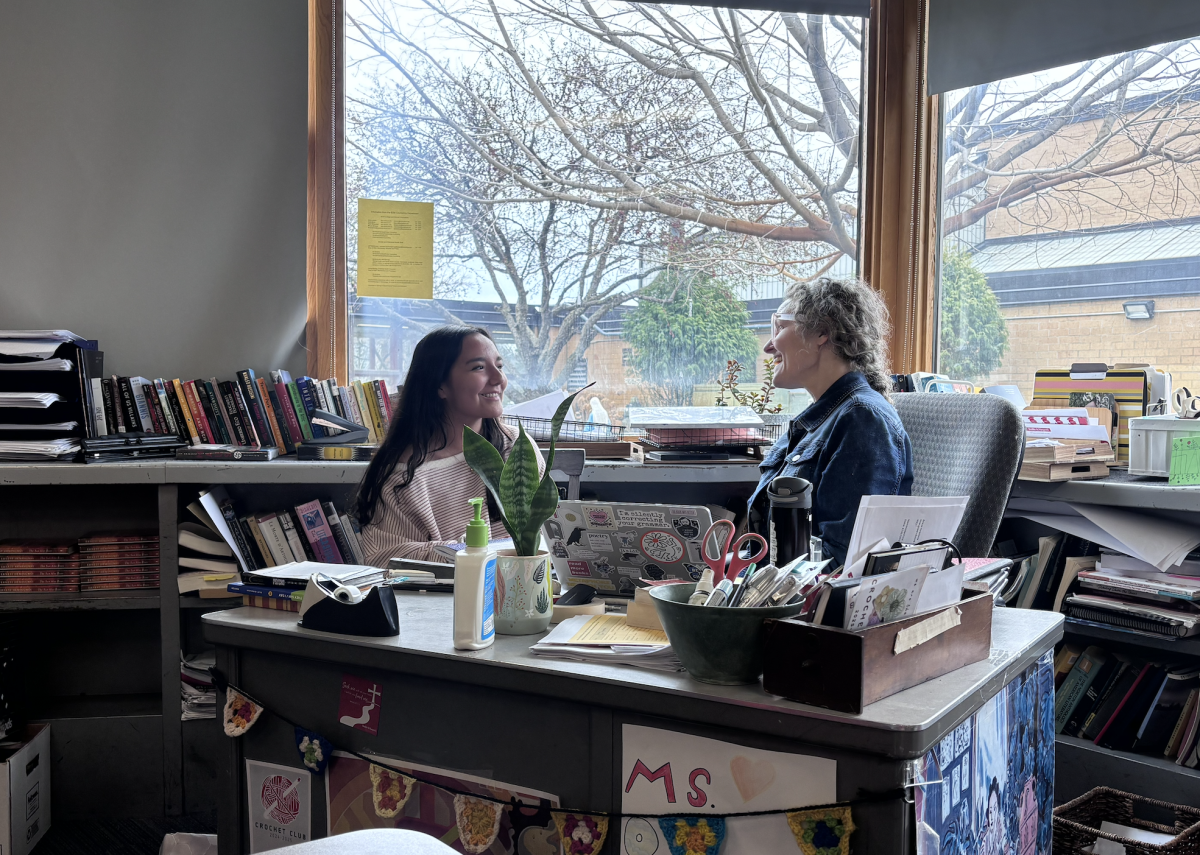
Technology has permanently changed the structure of the education system, with certain practices becoming completely unrecognizable. Benilde-St. Margaret’s Campus Minister Mike Jeremiah reflects on the different ways BSM has run over the years. As a theology teacher, Jeremiah would type up assignments on a typewriter and then run them through a machine called a mimeograph to make copies of the assignment. Jeremiah recalls a long line of pay phones outside the school for students to make calls. Nowadays, students are unaware of the once-abundant tools. “I have my old electric typewriter…every now and then I’ll have kids…look at the typewriter and say, ‘Where’s the monitor?’ There is no monitor. But what you do is you put paper, actual paper, into it, and you type on the paper,” Jeremiah said.
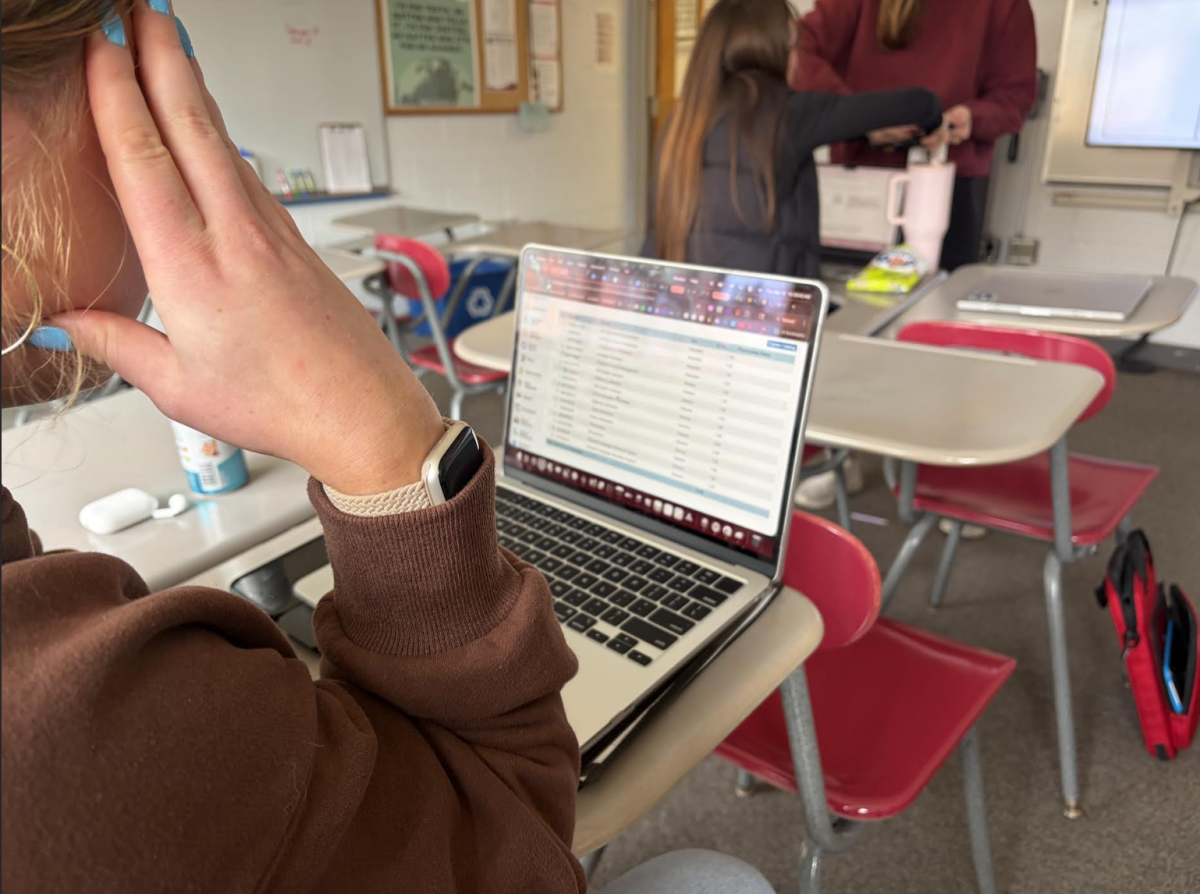
Many students at BSM are under the impression that they would be able to survive fine without their phones, but fail to realize how deeply embedded phones are in our lives and society in general. Junior Lucy Johnson uses her electronics for daily necessities, such as an alarm clock, a map, a music player, a research database, and, most importantly, communication. “I feel like the only thing I would be concerned about is… communication…if something happens with sports…that would be kind of hard,” Johnson said.
Technology addiction is not the fault of the individual, but rather the fault of society. It is nearly impossible to withstand the pressure to continue upgrading to more advanced electronics. Jeremiah has felt this pressure; he once believed he would never get a cell phone, but eventually folded because everyone had become dependent on them. “I always told myself, there’s no way I will ever have a phone. I bought a pager, but then the fewer pay phones there were, that’s when I bought my first phone back in the late 90s, and I don’t know how I would be without it,” Jeremiah said.
Another area technology has taken over is the entertainment industry. As the era of streaming has grown, physical media has been lost. It is nearly impossible to find certain movies or television shows because they are not available on any streaming service. Some people have begun collecting VHS tapes or DVDs to preserve the timelessness of their favorite pieces of media. Cable television is also a lost art through the domination of streaming, which makes many people impatient, constantly wanting to watch something new. The entire history of movies and television lies constantly at our fingertips, causing nothing but overconsumption and excess dopamine.
Over the years, society has become “more efficient” through an increase in technology rather than physical materials. This might seem like it is beneficial, but problems soon arise when everyone has become completely dependent on technology and is unable to function without their phones or computers. It might seem silly to use a physical alarm clock, or a physical map, or a physical textbook, but these objects are the backbone of our society today, and without a phone or computer, they are imperative.