
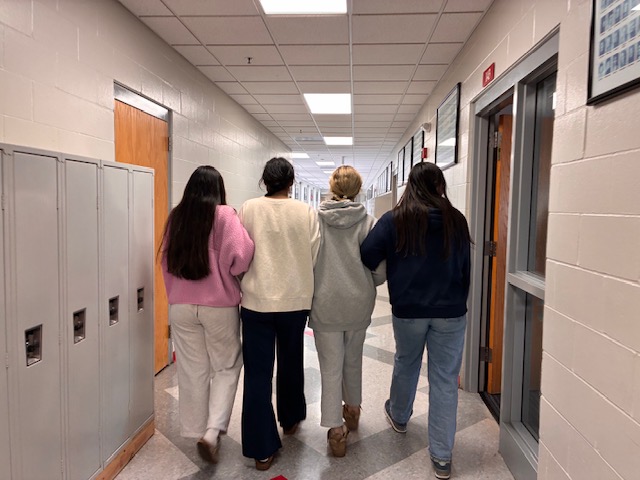



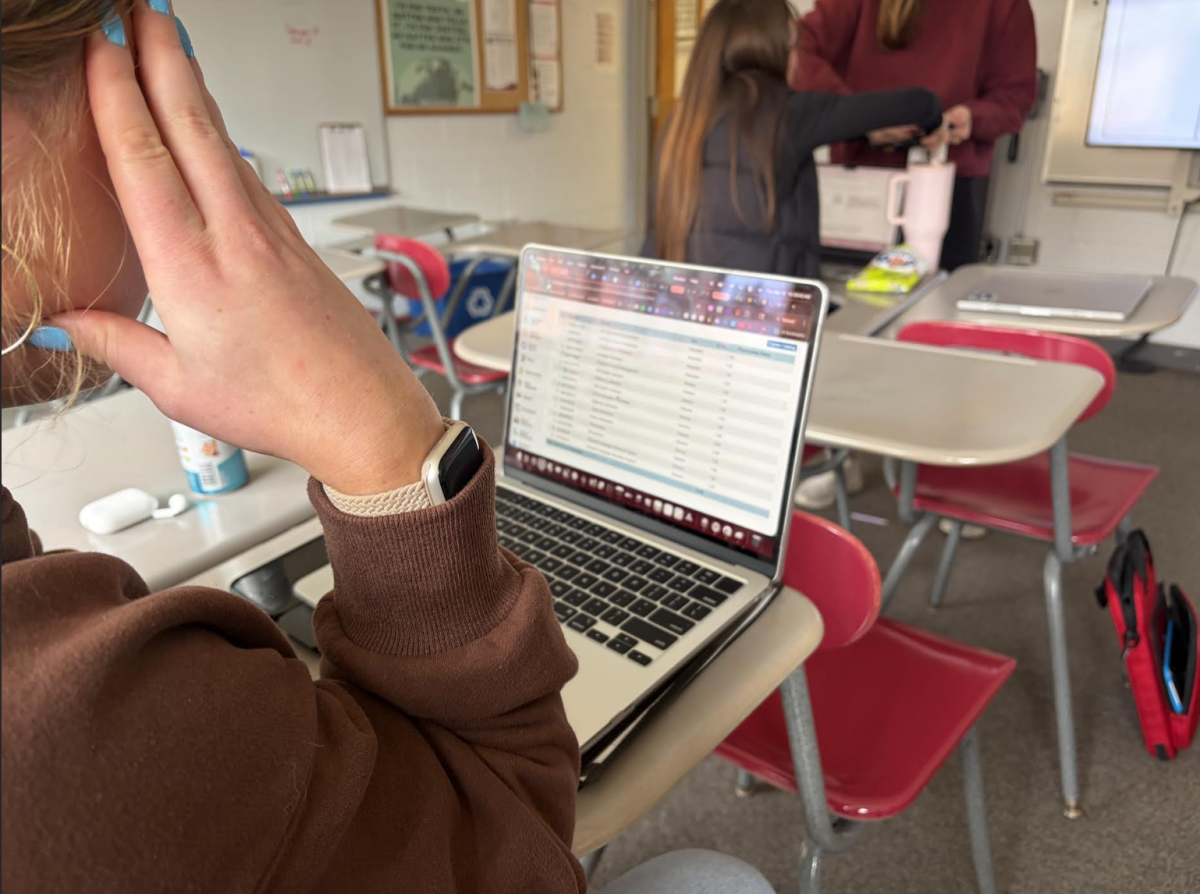







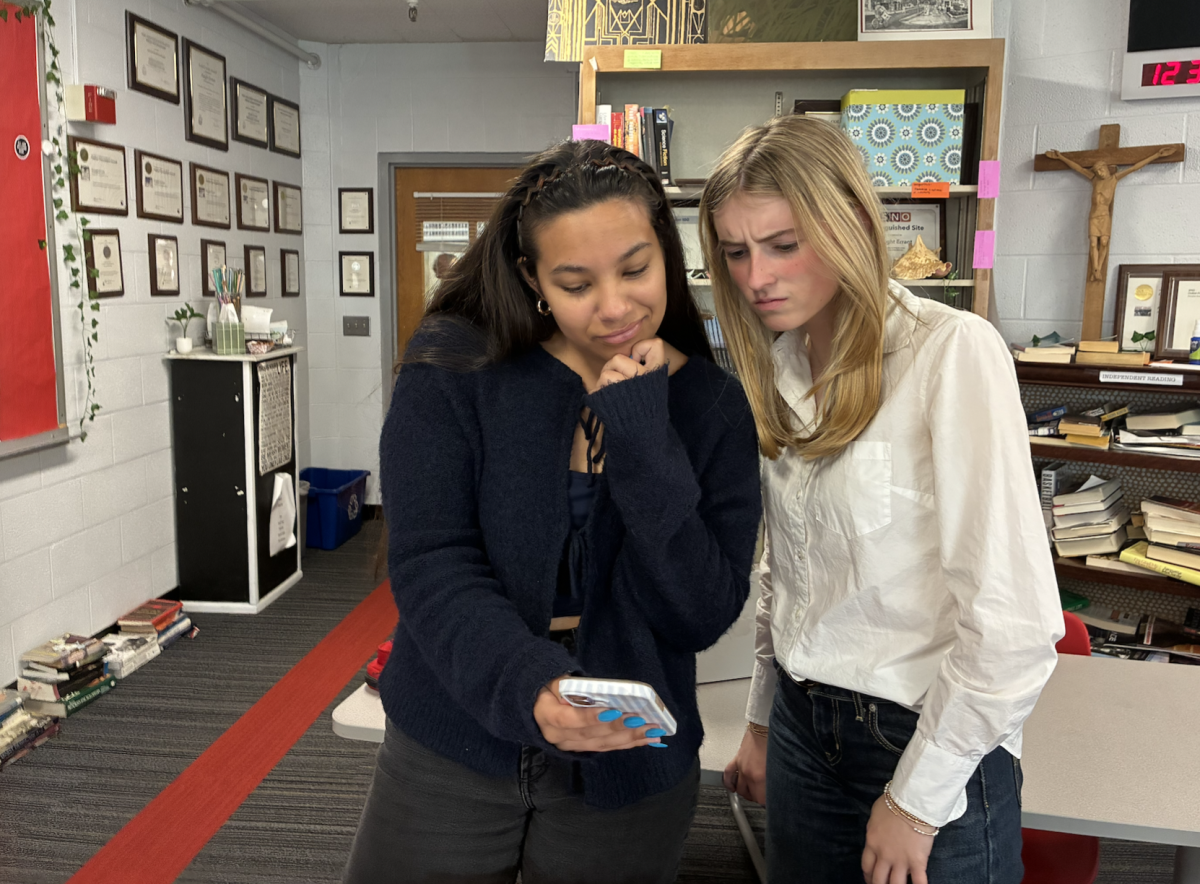


















This school year, Benilde-St. Margaret’s has implemented a new no-phone policy that bans student and staff phone use from the first bell to the final dismissal, including lunch break and passing periods. The switch, designed to reduce distractions and promote face-to-face interactions, has created mixed reactions from students, parents, and staff alike.
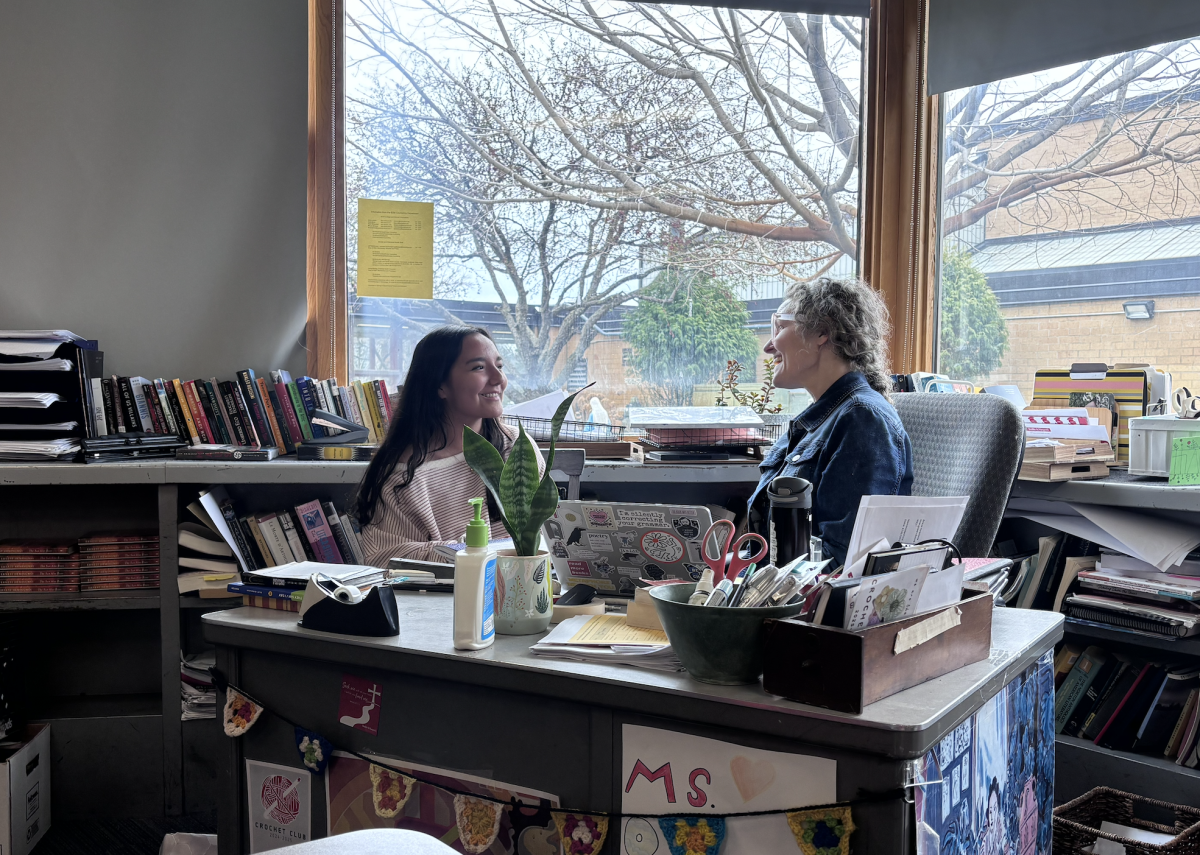
Under the new rule, all students are required to store their phones in their lockers throughout the entire school day. Any student caught using a phone during school hours risks confiscation and possible disciplinary action. “For teachers, it’s a return to what we had been doing and kind of a throwback, but for students, it feels a little harsh,” social studies teacher Megan Kern said.
Administrators say that the policy is aimed at addressing growing concerns surrounding excessive screen time, classroom disengagement, and social isolation. In recent years, the increasing challenges of maintaining students’ attention during lessons have made it difficult for staff to teach effectively. Another common observation before the phone ban is that students were frequently glued to their phones during lunch, often choosing to scroll through TikTok rather than interacting with their friends. “When I walk through the cafeteria now, people are actually talking to each other, and I love that,” Kern said.
The school hopes that the policy will encourage more meaningful in-person conversations and help improve overall focus in the classrooms. Early observations from faculty suggest that the students are more engaged during instructions and that the lunchroom noise levels have increased significantly (a clear sign of lots of social interaction taking place). “The kids are talking to each other about the readings or the class versus going right to their phone if they get a break, which is great for the school community,” theology teacher Nathan Schlepp said.
However, the new policy has not come without backlash. Many students argue that passing time and lunch time are both personal time and should allow for phone use, whether to unwind with music, scroll through social media, or catch up with friends outside of school. Some express frustration that they can’t even use their phone to check the time or respond to messages from family. “I think the rule is good in theory, but there are some moments where I just wish I could listen to music in the halls or respond to a text from my friend,” senior Ella Peters said.
Another factor that students have obviously been thinking about is potential risks and security in emergencies. In the event of a lockdown, natural disaster, or any other crisis, the inability for students to quickly access their phones could delay communication with family or even first responders. Students argue that kids being cut off from their devices may increase anxiety and leave them feeling vulnerable during high-stress events. “It’s terrifying sometimes knowing that if something were to happen, I couldn’t contact my parents and my loved ones to tell them I love them,” Peters said.
There are also concerns about the drastic one-size-fits-all approach, arguing that phones can be powerful tools and, in some cases, incredibly useful in the classroom when used appropriately. Many teachers and schools have embraced digital tools and educational apps, and removing phones entirely could limit opportunities for tech-integrated learning. “I think, sometimes it can help when you’re researching something, and I know there have been certain classes that did use phones a lot alongside their work, so that’s been difficult to rearrange, especially when it’s something that we’ve been doing for a long time,” Peters said.
While some students may find the adjustment difficult, the school maintains that focus, real-world connections, and mental wellness are priorities that make the change worthwhile. Whether this bold step becomes a long-term fix or a short-term experiment remains to be decided, but for now, BSM is drawing a hard line: no phones, no exceptions. “Young people are so flexible and resilient; it took three days to fall back into a rhythm. It was super easy,” Kern said.