

































In our day and age, skin health and beauty are indicators of one’s health. Skin exposure to sun is essential for the synthesis of Vitamin D, but photoaging, exposure to UV radiation, speeding up the process of aging, has resulted in a huge rise in cosmetic and cosmeceutical products, including anti-aging and sun-protective products.
Gen Z, the majority of the population at BSM, has been encouraged to tan excessively on social media, especially on TikTok. With video trends of checking the UV daily, as a tool for tanning, not as a warning, and promotions for tanning oils. Social media has glamorized the look of tan lines as “aesthetic,” and promoted not only the natural tan, but the use of tanning beds and fake tan. According to Hollie Evelyn, an influencer on TikTok, she said she would “rather die hot than live ugly,” with her hashtags of #tanning and #sun-bed, getting over 4 billion views.
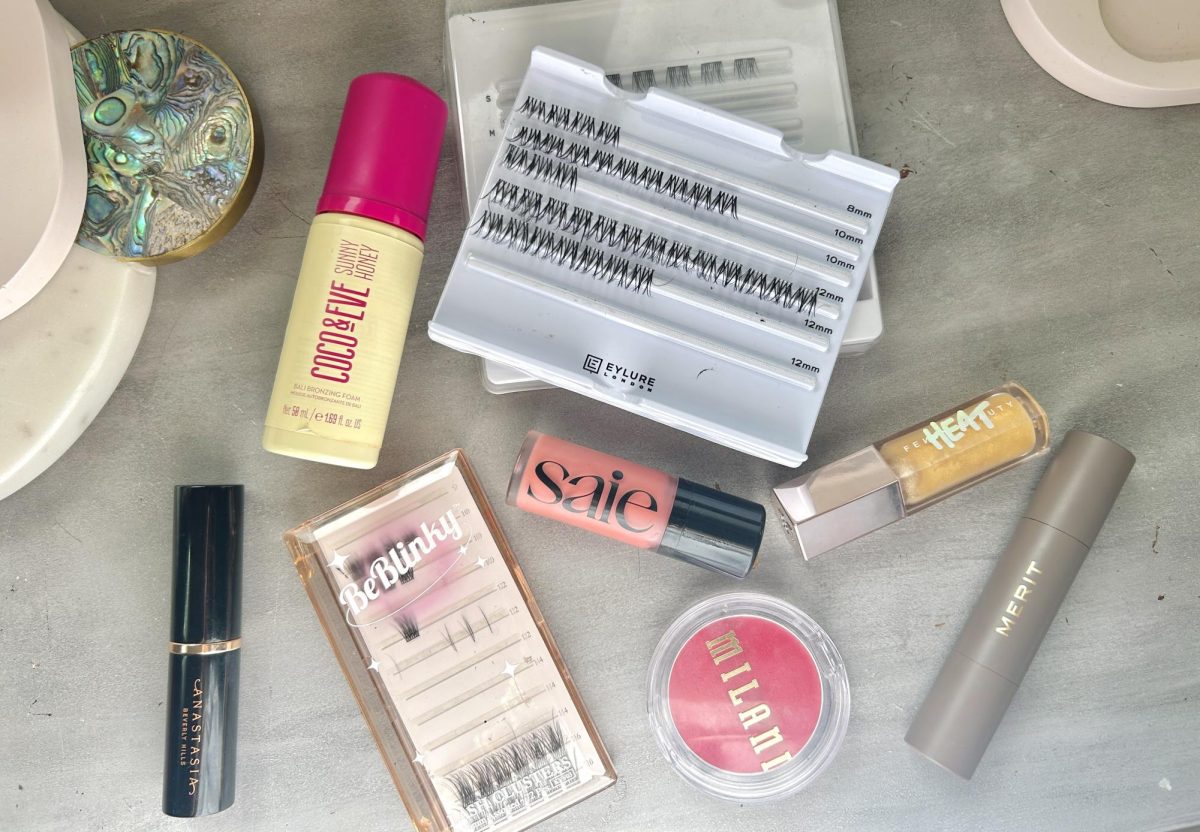
Additionally, social media has created an increase in the sale of skin care products for the health of our skin, with popular brands such as Rhode, L’Oreal, Drunk Elephant, and The Ordinary, and over one-third of GenZers spending $21-$51 on a single product. “The skincare-obsessed generation is, ironically, flocking to the tanning beds,” according to the New York Post.
Direct UV rays, whether from the sun or tanning beds, reduce the ability of skin to repair as a person ages, as less collagen and elastin are in the skin. Harmful UV rays initiate the reactive oxygen species and skin cancer in the skin, and indoor tanning increases the risk of squamous cell carcinoma by 58% and can cause melanoma. Nonetheless, multiple people use tanning beds to achieve a natural-looking tan during the winter. Senior Lori Weltzin, who uses fake tan, tanning beds, and the natural sun to achieve her tan, says she is done with all fake tanning. “I used to [self tan], but I actually stopped for the rest of my life this past winter. Because I’m moving to Florida, I will be natural. I think [the fake tan] is similar [to a natural tan], but I don’t think it’s as good. Yes, I have probably done two or three [tanning beds],” Weltzin said.
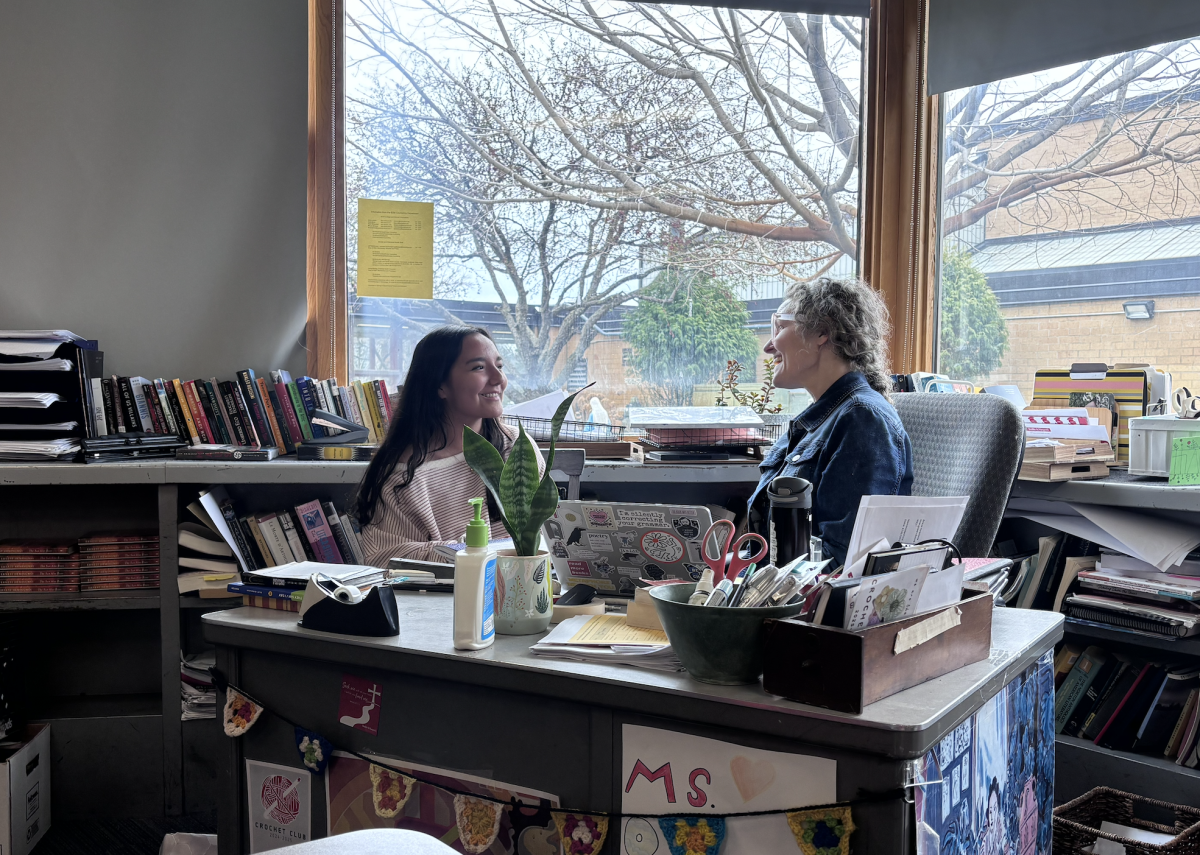
Some call this resurgence of tanning a Y2K trend, as tanning was very popular in the 90s, when Generation X used to tan with tin foil and baby oil outside. Although English teacher Barbara Watson never laid out on shiny surfaces nor used baby oil, she used sun tan lotion and no sunblock, exposing herself to harmful UV rays. “[I’ve burned] way too many times, and so I now make sure I go to a dermatologist to have that checked very regularly … I don’t even know if SPF existed in the product back when I was growing up,” Watson said.
Probably the most well-known side effect of harmful UV rays and sunburns is skin cancer. One in four Gen Z adults are already reporting skin damage from the sun, and 37% of Gen Zers say they only use sunscreen when told to by other people. However, BSM senior Alex Luke is aware of these effects and prioritizes her skin health. “I have super fair skin, so my mom has always said it’s not the best for you to tan. Skin cancer has run in my family, and I don’t want to be wrinkly when I’m older,” Luke said.
Excessive amounts of UV radiation can be harmful, but by protecting skin health with water-resistant SPF, sunglasses, and hats, and using fake tan, tanning safely can be accomplished. Today, fake tan is available in spray tans, mists, drops, powders, creams, mousses, oils, all accomplishing a seamless glow. However, it isn’t just about getting color that is appealing from being in the sun, it’s the feel of the sun on your skin. Watson, when asked if she would do anything different if she could go back in time, with all the health information in mind, would not. “Now, I’m sure I have way more wrinkles than I probably would if I were more careful or stayed out of the sun. … [But] I’d like to say yes, but I’m going to be honest and say no, I just love the feel of the sun and how skin looks when it’s tan,” Watson said.