RKVC, or a Red Knight Volunteer Chore
It’s December, and freshman Leah Smith opens her email—for the first time in a few weeks. She sees two emails from Sign Up Genius, listing events open to volunteers in the Red Knight Volunteer Corps. Smith opens one and scrolls through it briefly before deleting the email, along with the other one.
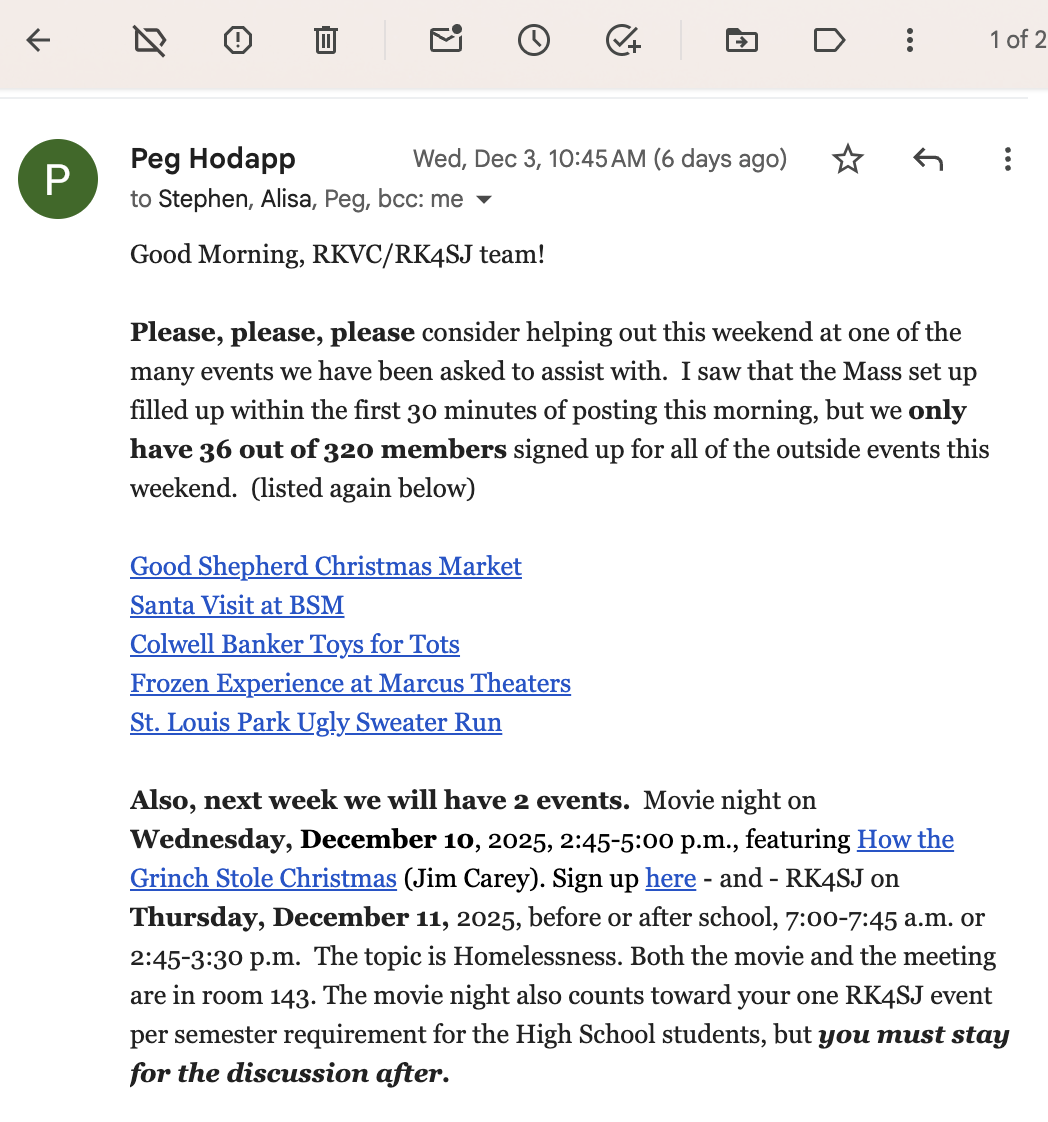
Smith isn’t the only member of RKVC who constantly deletes the emails sent out by club coordinator Peg Hodapp. While many students sign up for RKVC, not all of them sign up to volunteer at events. “Ms. Hodapp sends a lot of emails out, a lot of signup geniuses, and they kind of all blend together. And I know, yeah, that people don’t really open them,” senior Rainier Gilliss said.
Now a junior, Smith said that it can sometimes be hard to sign up for events, especially for younger members. “I was in it [RKVC] freshman year, but I didn’t know how to actually be a part of it,” Smith said. “So I didn’t join and start volunteering until sophomore year.”
Although there are over 300 students in RKVC, they sporadically sign up for events, and it’s become a rarity that all slots are filled on a Sign Up Genius. “When we do fill it up really fast, I get really excited, like when I get those emails every second, I’m like, ‘Oh my gosh. You know, I just posted this two minutes ago, and it’s already full.’ That always kind of blows my mind,” Hodapp said.
The current trend seen in RKVC now is a far cry from years past, when all the slots available for an event would be filled by volunteers.
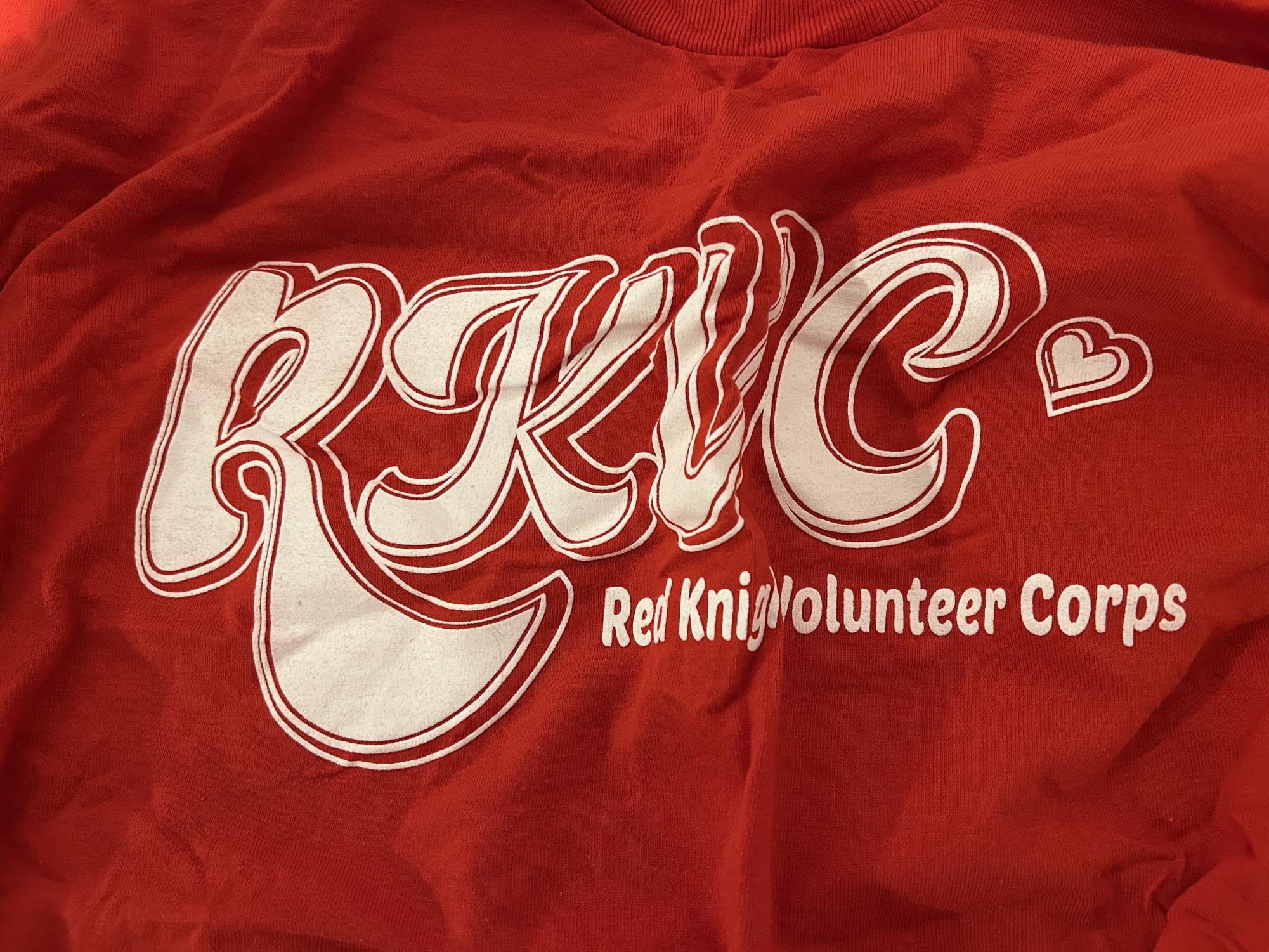
RKVC was founded in 1999 by the Director of Service Learning at the time, Lisa Lenhart-Murphy, as an opportunity for students to engage in service. RKVC participants volunteer to help with activities at BSM, events at elementary schools near BSM, and volunteer at other places that reach out to the school for help.
Any place that needs volunteers for an event can reach out to BSM requesting help, and that request gets passed on to Hodapp and RKVC. “Churches were calling, schools were calling to say, ‘Hey, we need students to help with this, this, and this,’” Hodapp said. “RKVC was designed to meet that need within our community.”
Current theology teacher Becca Meagher, who took over leading the club in 2010, said BSM has historically emphasized a culture of service, and student participation in RKVC represented that. Students constantly signed up for events, and there were often many wanting more slots after they were all filled. However, the COVID-19 pandemic put a limit on volunteering. The focus of the club shifted from events in the Twin Cities area to events specifically at BSM, which may have pushed students away from the idea of volunteering at other places—perhaps why many only sign up for events at BSM today.
“I was finding at the end of my time advising the club was that we would have 400 kids in the club, but we’d have a hard time filling a weekend slot at a parish festival or at a Halloween party,” Meagher said.
Although participation in the club has shifted, not all students volunteer only at BSM. Part of a minority, Gilliss enjoys volunteering at events at other places, such as churches and elementary schools. “Every once in a while, there’ll be like a Christmas tree drive where they’re selling Christmas trees, and they need volunteers raising funds, and I’ve done that,” Gilliss said.
Peg Hodapp joined the theology department in the fall of 2022, becoming the Service Learning Coordinator and taking over leadership of RKVC from Meagher. Her main goals since taking over the club have been to re-establish relationships with agencies that faded during the pandemic and increase student participation.
According to Hodapp, there are now 321 students signed up for RKVC, but she said that’s not a viable number for the students actually participating in the club and signing up for service events. Even so, Hodapp said she has seen a slight increase in student participation from 2022 to 2025.
When she arrived, Hodapp established the RKVC advisory board, a group of student leaders in the club, with the goal of encouraging more students to participate. “It seemed like a good opportunity to be more involved and kind of take the club where I wanted to go with it,” said Gilliss, who applied for the advisory board last year and has been in the club since 7th grade.
Senior Delaney Lynch also joined the advisory board last year, having been in the club since 7th grade. “My brother was also in it, so I started going to the meetings with him, and then I took a bigger role and started to get more involved,” Lynch said.
As part of the advisory board, Lynch attends meetings with the other members before school, plans volunteer events and group meetings for the club, and leads presentations for Red Knights For Social Justice. RK4SJ used to be its own club, but became part of RKVC last year—members of RKVC are now required to attend one RK4SJ meeting per semester. These meetings are student-led discussions about current events, including topics like immigration.
Two other students on the advisory board, Leah Smith and Esmé Bell, joined to encourage other students to volunteer, and they see volunteering as an integral part of their lives. Both of them, along with other student leaders, have noticed a lack of student involvement in the club presently. “When I look to see what the events are, I see who signed up, and it’s like, three people, when there’s 15 or 20 slots. And there are nearly 400 people in the club,” Smith said.
Bell added that she has seen a similar trend in peer ministry, with fewer students being involved and attending morning prayer, and wonders if BSM’s culture around service learning in general has declined. “I would say I’ve noticed that more students have been less involved in [RKVC], and I feel like that shows less motivation,” Bell said.
When looking at why participation has dropped, it’s best to first examine why students are joining the club in the first place. When Meagher led the club, she called it a “both/and” club, meaning that it was easy to both be in another activity or sport and also be a part of RKVC. RKVC’s requirements aren’t difficult—students in the senior high need to volunteer at four events per semester, while junior high students are only required to volunteer at two—so many students join the club thinking it will be an easy activity.
Hodapp said she wonders if people are joining the club to add it to their college applications, rather than because of a true passion for service. “It’s maybe not wanting to volunteer, but maybe just wanting this on their resume to say it looks good,” Hodapp said.
However, she said it’s difficult to police these cases, and can’t force students to volunteer—that contradicts the meaning of the word itself. Smith, who did first join the club to add it to her resume, said she now recognizes the benefits that come with volunteering and likes supporting her community.
Similarly, Gilliss’s perspective on volunteering changed after he attended a Guatemala mission trip through BSM. “I feel like a lot of students see it as just a chore to be done, especially because we do have a service requirement junior year through discipleship,” Gilliss said. “I kind of viewed it that same way when I was starting, but I came to realize that through actually experiencing and finding a service event that you’re really kind of passionate about, you can really have an impact.”
Other students are motivated to join RKVC because of their status in BSM’s National Honor Society, which requires 40 hours of volunteering per semester. “I’m supporting the community, but then I also get my volunteer hours in and stuff like that,” Lynch said.
The current requirements for RKVC are that while students have to volunteer at four events per semester, only two of them have to be through RKVC; the other two can be anything else, and many students choose to volunteer at other places. Lynch said that because many students choose to do this, fewer sign-ups are filled.
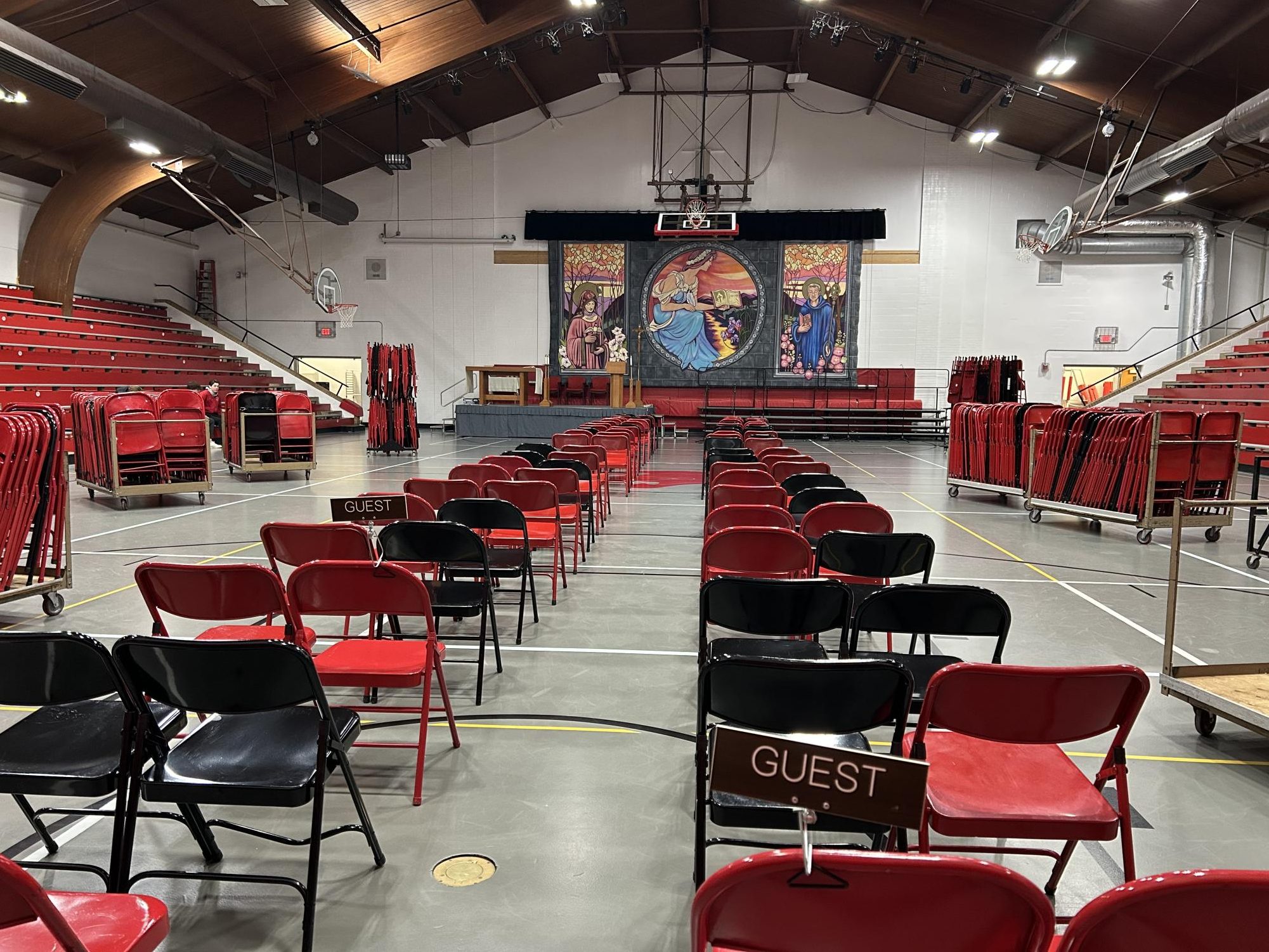
Furthermore, students often only sign up for short events—the ones that fill the fastest are Mass chair set-ups, done at 7:00 am at BSM on days when students and faculty celebrate Mass. “To regulate that, we’ve tried to put a restriction on how many people can or how many times you can do that as an event,” Lynch said. “But, yeah, I think people are just trying to pick the easiest events. And I also think that there are a lot of events that go on, so it gets a little difficult [to fill them all].”
Hodapp agrees and said that the number of volunteers depends on the event and where it’s located. Students don’t like to go far away from BSM or be there for long periods of time.
BSM has gotten more requests from agencies than in the past few years, which are often overlooked by students who don’t check their email often, and don’t get filled. “Also, students have gotten busier, and so that makes it a lot harder for kids to say, ‘Okay, I’m going to spend my Saturday at the OLG tree lot, or over at Park Shore serving their spaghetti dinner,” Hodapp said.
BSM now offers more extracurriculars than in years past, which prevents students from volunteering, including sports, work, and other activities outside of school. “In the sense of being motivated to, I would say [I’ve struggled signing up] more often this year, because it’s senior year and you only have so many weekends to spend with friends,” Bell said. “I’m not necessarily dedicating my time to signing up for volunteer hours.”
Although she is busier, Bell does sign up for some events, unlike some participants in the club. “It’s either because they’re too busy and just not making time for it, or it’s not necessarily a priority to them, which, fair enough. But at the same time, it’s like, ‘Then why are you in it?’” Bell said.
When students stop filling up the Sign Up Geniuses and stop volunteering, it could mean BSM loses relationships with agencies asking for help. “RKVC is a great way for us to make partnerships with our partner schools, with communities, agencies within our community, things like that,” Meagher said. “So I think that it can, obviously, negatively affect the programming that they’re doing when we don’t have volunteers either sign up or volunteers that sign up and don’t show up.”
Hodapp said that when students don’t show up to events, or sign up in the first place, these places are less likely to ask BSM for help again. Although Hodapp tells agencies she can’t always guarantee volunteers, RKVC’s history of providing volunteers means that often these places are expecting students eager to help. “I worry that it [fewer students volunteering] could present a bad name for our school,” Hodapp said.
Hodapp and other students are therefore working to increase the participation in RKVC and BSM’s culture of service in general, but they’ve faced challenges.
In advisory board meetings, students propose ideas of how to increase student participation in the club and encourage people to sign up for more events. “That’s one of the things we’re trying to solve right now and figure out why that is going on. We’re trying to get the answers, but I don’t have a completely good answer,” Gilliss said.
While students can’t be forced to sign up for events, more events might be filled if the four-event requirement were increased. “I think to fill the slots, maybe you could increase the requirement of how many service things you have to do, because some people are just doing the minimum requirements,” Lynch said.
Lynch also suggested putting RKVC events over the morning announcements rather than just through email, but recognizes that there are too many events for this solution to be completely effective. Bell suggested putting up posters and spreading the word of events more frequently. “Unless you’re consistently doing that stuff and getting the message out, people are not hearing it and are not going to [participate],” Bell said.
Bell’s advice for students is to sign up for the activities they will have fun doing, and try to do them with friends—she’s found volunteering is easier and more enjoyable this way.
Hodapp also tries to send out events in smaller amounts of time. “If I can ever divide something up into shifts, I’ll do that so that students know they only have to do three hours instead of the whole eight hours of whatever the festival is,” Hodapp said.
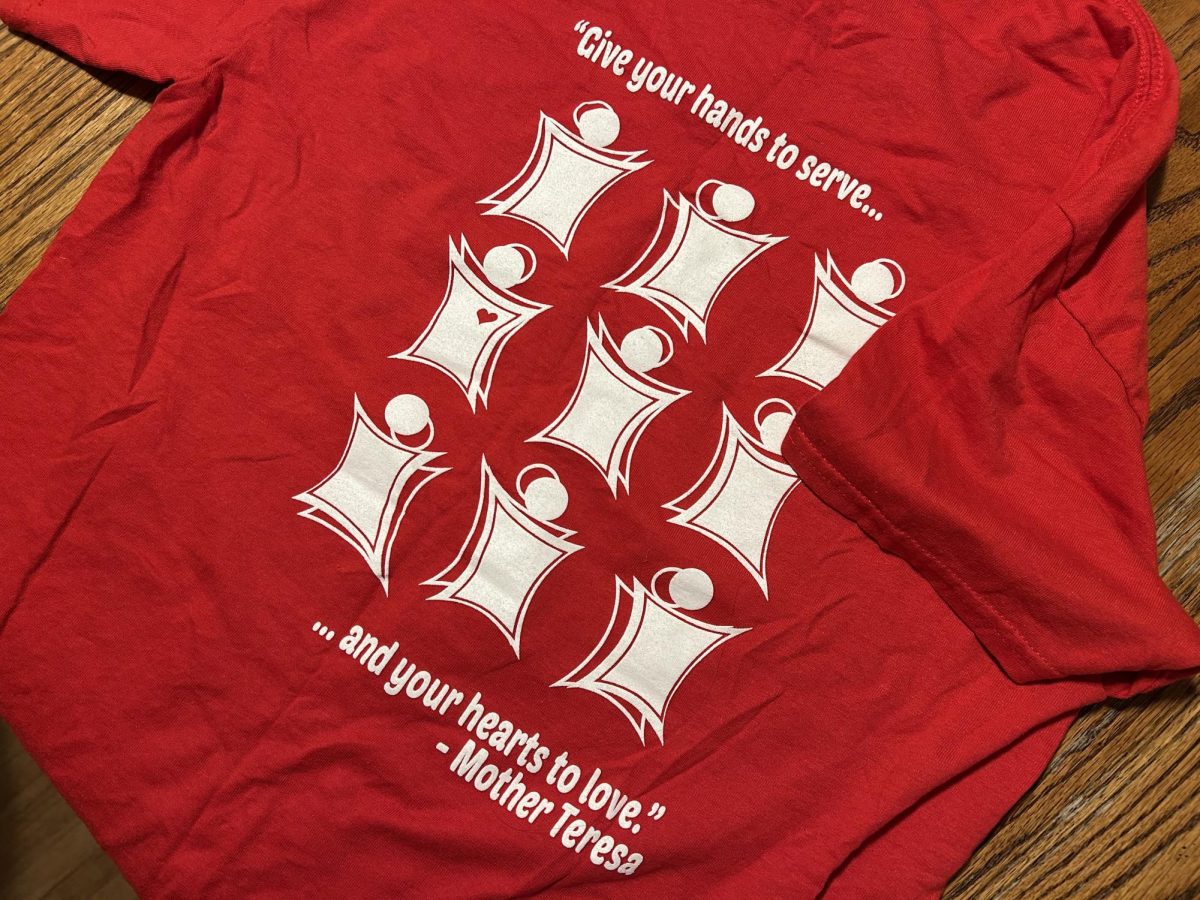
Hodapp hopes participation will increase as students realize volunteering is about helping others, rather than fulfilling a requirement. “I think the biggest thing is to try and teach people that it’s not about what you get in return, but what you’re giving,” Hodapp said. “And honestly, when it comes to volunteering, you really are getting a lot because you’re learning how to be civic-minded. You’re learning about different people. I think it’s changing that mindset so that people realize that there is a return on what they’re doing.”
RKVC has a long history at BSM, and its place in the community has fluctuated, but coordinators hope it will not disappear anytime soon. “Times change, and students change and leadership changes, but I hope that RKVC will continue to be a really important part of BSM culture,” Meagher said.