



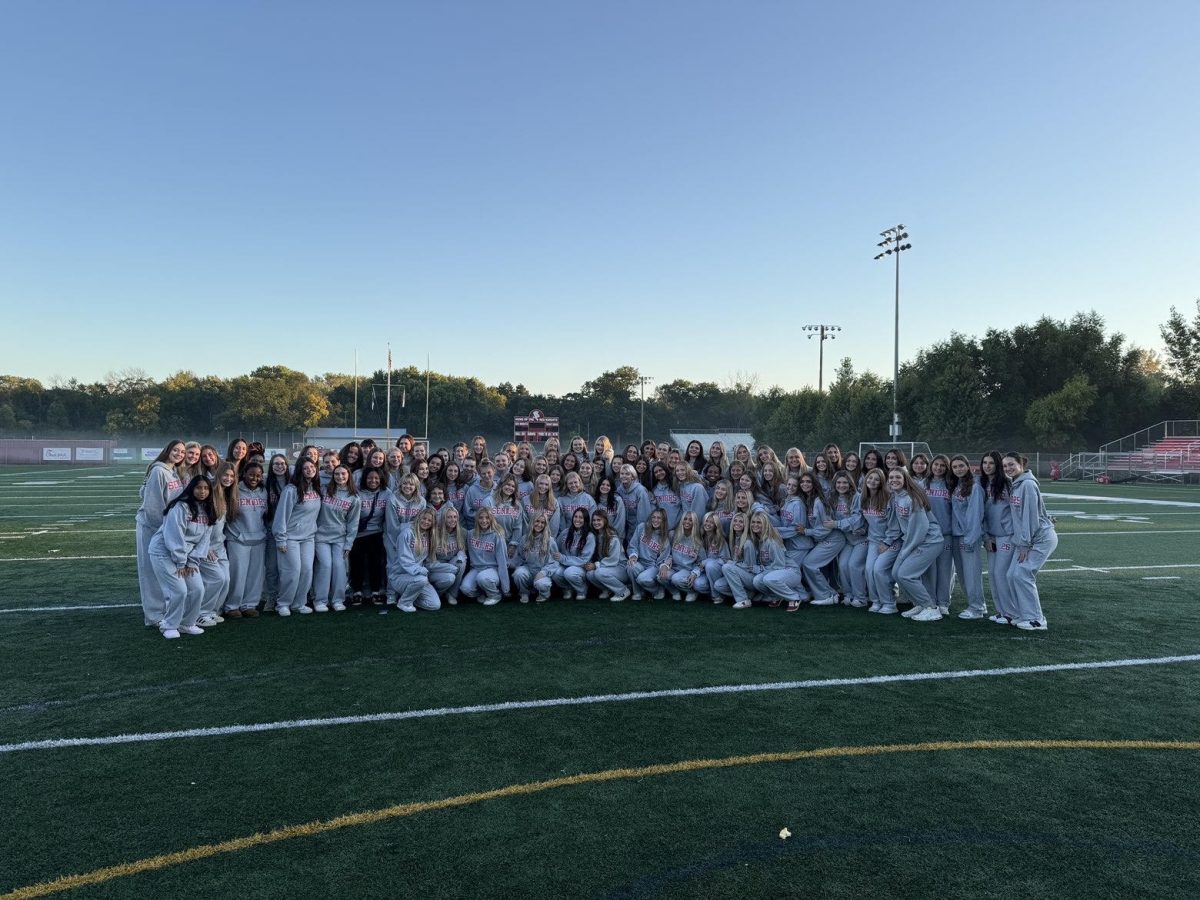
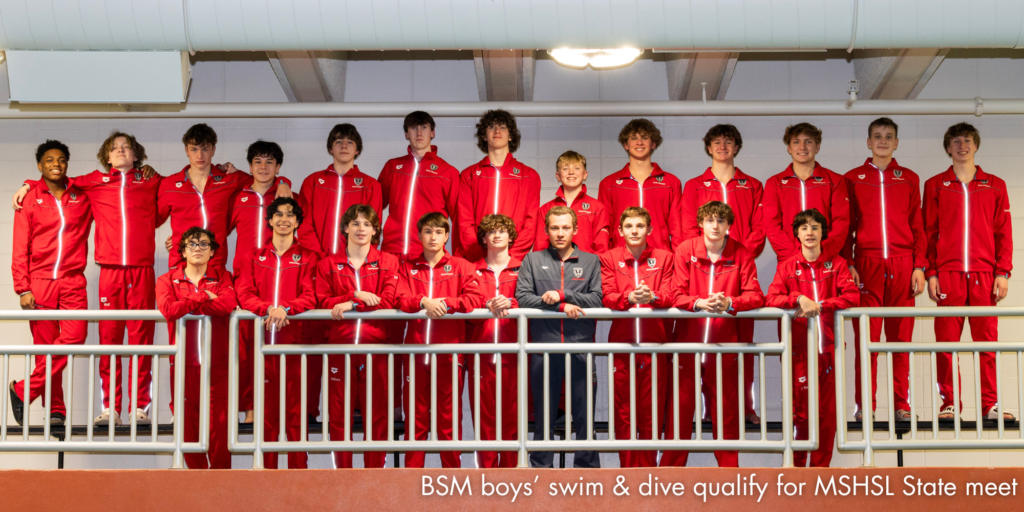


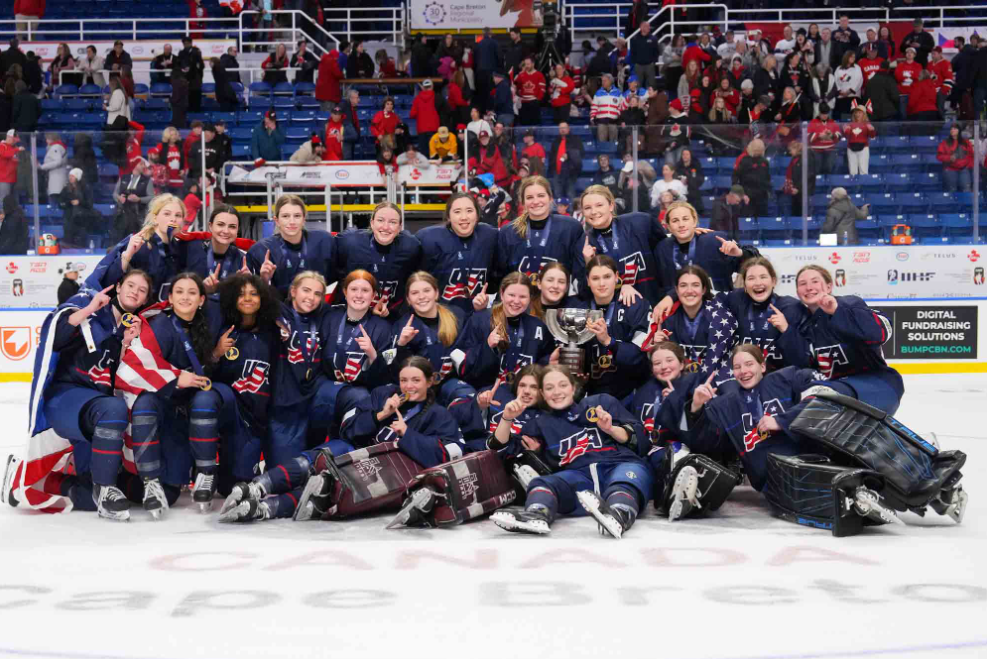




















In any school building, friendships naturally take shape, whether it’s during group projects, shared classes, or lunchtime conversations. But on the field, court, or track, a different kind of connection emerges; one forged through teamwork, trust, and shared moments of both defeat and triumph. Sports create friendships that often run deeper than those built in classrooms, bridging gaps between grade levels and uniting students through similar goals.
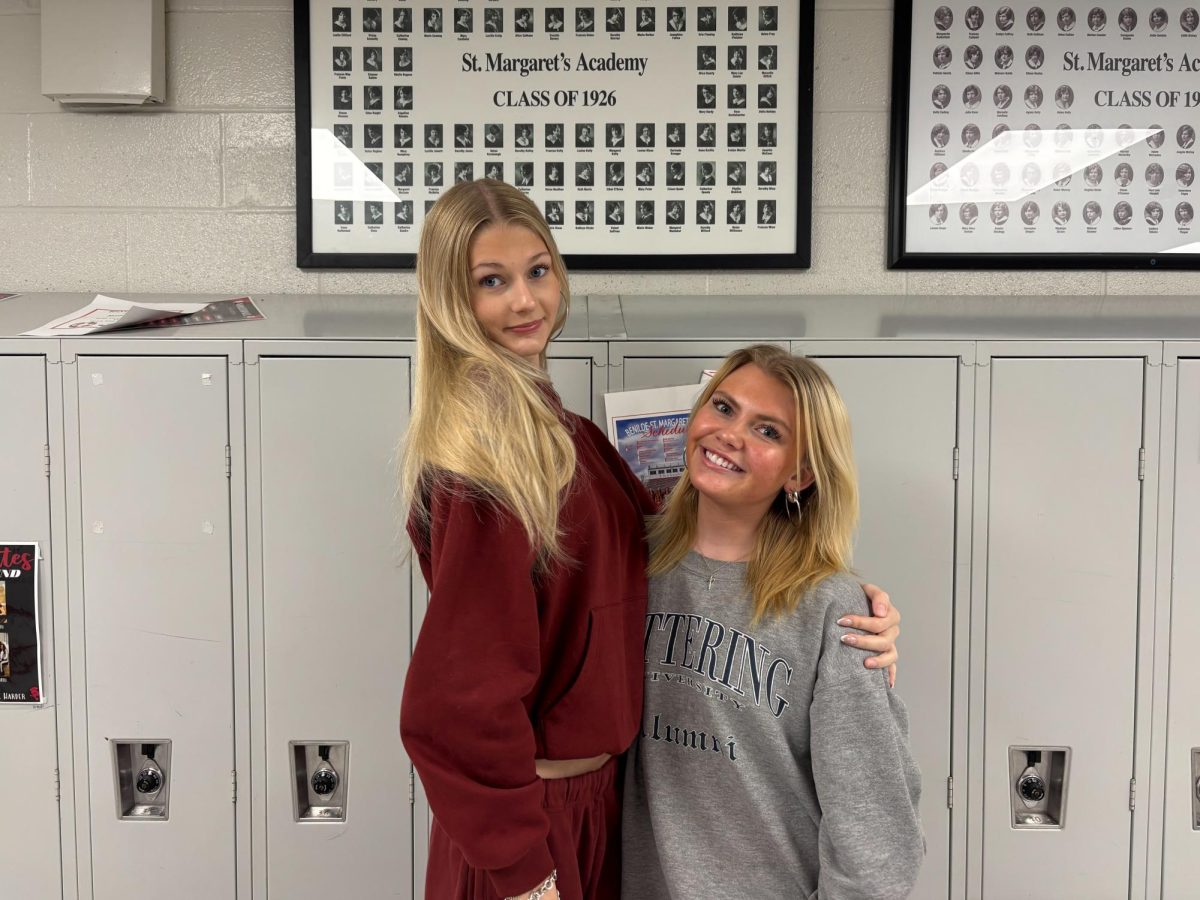
From early elementary to high school, sports provide a unique opportunity for interaction across different age groups. Younger athletes often look up to their older teammates, finding mentorship and guidance not typically available in the structured world of classrooms and academics. Older students, in turn, take on these leadership roles, learning responsibility and patience with the younger players. These relationships are grounded in mutual support and respect and create special bonds that extend beyond age and grade boundaries. “Being a part of a team kind of eliminates the seniority; you’re all working as a team,” senior Jocelyn Hawkinson said.
Unlike school friendships, which often center around work and grades, sports friendships are formed in high-pressure and high-energy environments. Teammates rely on each other to hold themselves up during games, practices, and even during the off-season conditioning. There’s a deep sense of accountability and community. Athletes don’t just want to do well for themselves, but for their team. This collective effort often builds trust at a faster rate than in most classroom settings. “The dedication and the type of work it takes to be on a varsity-level team is rewarding. And then with the younger kids, it’s like I can put myself in their shoes when I was younger, and now I can step up as a real leader,” Hawkinson said.
The nature of sports also encourages emotional vulnerability and resilience. Teammates witness each other’s best and worst moments both on and off the field. Game-winning plays, tough losses, injuries, and setbacks. These raw experiences form a foundation for genuine empathy and understanding, creating friendships based on more than just a shared interest. Over time, locker rooms and practice arenas become safe spaces where athletes feel comfortable expressing themselves. “When you’re put into a sport that requires teamwork, leadership, and responsibility, especially during games, you have to figure out with your teammates what to do,” Hawkinson said.
Another key difference lies in the amount of time spent together. Sports teams often practice daily, travel for games, and spend weekends at tournaments. This consistent, dedicated time together naturally allows friendships to grow in a way that isn’t just occasional group projects or class discussions. It’s not uncommon for teammates to become some of the most consistent people in each other’s lives, regardless of grade level or social circle. “Friendships that I formed during sports were a lot closer than the ones from school, because I saw my teammates every day,” senior Hannah Miller said.
The most striking aspect of friendships made in sports is their longevity. While classroom connections may fade once the semester ends, team friendships often persist long after the season wraps, and then re-ignite once the season starts again. Shared memories of training sessions, hard-fought wins, and long bus rides leave lasting impressions. For many, these relationships continue into adulthood, anchored by a strong sense of mutual respect and a shared deep history that few outside the team can fully understand. “Being on sports teams, there are people with whom you stay really close friends,” Miller said.
In a school setting where social circles are often defined by grades and class schedules, sports create a rare environment where these boundaries fade. Teammates become like family, connected not just by the sport they play, but by the experiences they’ve lived together. Whether it’s a fifth grader forming a bond with an eighth-grade captain or a senior mentoring a freshman, the friendships built through sports leave an undeniable impact, one that goes far beyond the final game. “With the team, there’s a wide range of people; they might not be your kind of group, but it helped me get a perspective on every single person and how everyone’s different,” Hawkinson said.